


Specifying oem stainless steel allen head cap screws exporter for Wholesale and OEM Orders
Repeat loading drives the failure when a socket head cap screw sits in a joint with vibration, thermal change or frequent service. For an OEM buyer qualifying a second source, matching the thread, head and socket dimensions is only the first step; lot-to-lot variation can change seating feel, assembly torque and the fit of replacement stock.
Supply is based on cold heading for the head and shank, followed by thread rolling and the specified stainless finishing route. Drawing control, material designation and packaging details should be agreed before a production order so the second source can supply the same sellable SKU rather than a visually similar substitute.
Scope of Supply and Physical Form
| Specification area | Order definition | Buyer point to confirm |
|---|---|---|
| Thread and length | Metric or inch thread, nominal diameter, pitch and under-head length to drawing or agreed specification. | Keep the measurement convention and thread tolerance consistent with the mating part. |
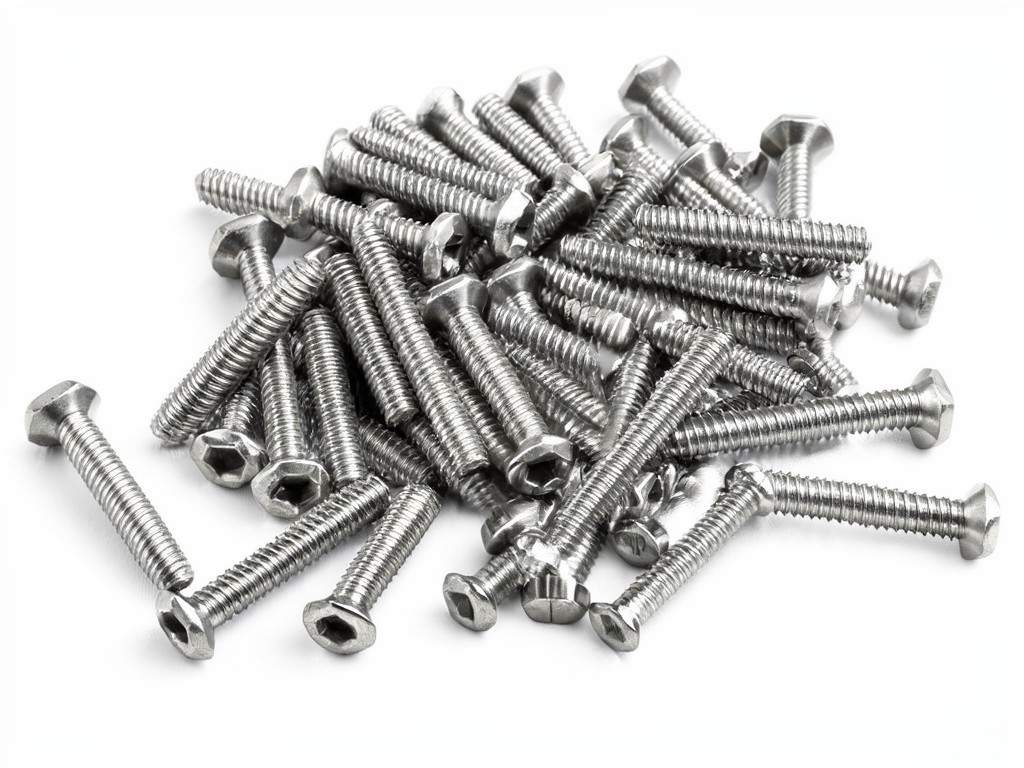
| Head and hex socket | Head diameter and height, socket width across flats, socket depth and drive entry form. | Socket fit affects tool engagement and the assembler’s feel at seating. |
| Stainless material | Grade and required mechanical property class, defined for the intended joint and service environment. | An alloy name by itself does not define the screw’s load capacity. |
| Finish and shipment | As-formed or specified cleaned/passivated finish, bulk or separated SKU packing, and export carton labelling. | Set finish appearance and lot identification before approval samples. |
Cold heading and thread rolling suit repeat orders where the geometry and material are compatible with the forming route. A change to head dimensions, socket depth or stainless grade can affect tooling, forming behaviour and unit cost, so revisions should be tied to a controlled drawing rather than an informal description.
The Problem Buyers Keep Paying For
Fatigue appears at the stress concentration, often around the first engaged thread or beneath the head, while buyers may first notice a different symptom: variable tightening feel, socket damage or screws that no longer seat consistently. Repeated loading can expose differences in material condition, thread form or joint design. Stainless selection alone cannot compensate for an unsuitable load case.
A second source creates another cost risk if screw mass, head profile or surface appearance drifts between lots. Small dimensional differences can alter a countersunk clearance, tool access or automated feed setup; finish variation can also split one retail or service SKU into visibly different batches. Those deviations lead to line adjustments, sorting, customer complaints and replacement shipments.
For supplier qualification, compare the proposed source against the approved sample and drawing at the same measurement points. Agree how revisions, material substitutions and finish changes receive approval before the first repeat order.
Matching the Product to the Buyer's Need
General Indoor or Dry Service
Where exposure is limited and cost per piece is a priority, a commonly specified stainless grade such as 304 may suit the application. Confirm the required mechanical property class and joint load rather than selecting only by corrosion expectations.
Chloride or More Corrosive Exposure
For equipment exposed to salts, cleaning chemicals or outdoor moisture, buyers may specify a grade such as 316. The material premium makes sense only when the service environment warrants it; the joint still needs a suitable design and compatible mating components.
The limiting factor is rarely the headline specification. Buyers should align thread engagement, clamp load, socket access and the mating material with the actual assembly. A socket that gives the operator a steady tool fit can improve assembly feel, but torque limits and installation procedure remain part of the joint specification.
For cost control across repeat orders, freeze the material designation, key dimensions, finish description and packing unit together. Ask the exporter to quote each revision against that same basis; otherwise, apparent unit-price savings can disappear through mixed inventory, relabelling or line-side sorting.
Buying Mistakes That Lead to Returns
Returns often start with a specification gap, not a dramatic manufacturing defect. Check these points before approving a production lot:
- Treating “Allen head” as a complete description. State the socket dimensions, head geometry, thread and length so tooling and fit stay controlled.
- Ordering by stainless grade alone. Define the required mechanical property class and intended joint conditions with the buyer’s design team.
- Approving one sample without identifying its revision or finish. Later lots then have no clear comparison point for size, mass or appearance.
- Combining multiple sizes in unmarked bulk cartons. Separate SKU identification reduces picking errors and makes stock reconciliation easier for distributors.
- Changing the drawing after tooling or material purchase without checking the effect on price and delivery timing.
Questions Buyers Ask Before Ordering
Can an existing screw be matched without a complete drawing?
A sample can help establish the physical form, but it may not show material grade, thread tolerance or mechanical requirements. Provide a drawing or confirmed specification for those items, then use the sample as a reference for appearance and fit.
What changes the MOQ and lead time for an OEM order?
Order volume, material availability, forming-tool requirements, secondary finishing and the number of separate SKUs all affect the quotation. Existing tooling and a stable specification usually simplify repeat purchasing; a new head or socket geometry may require a tooling discussion before timing is confirmed.
Can distributor labels and mixed-size cartons be supplied?
Yes, where the order plan and packing instructions are agreed in advance. Send label artwork, SKU references, carton quantities and any lot-marking needs with the packaging brief so the shipment format matches receiving and warehouse procedures.
Discuss a Second-Source Project
Share the drawing or sample details, annual demand, material requirement and packing format. We can review the forming route, tooling needs and quotation basis for your OEM or distributor order.