


Top Quality 1 4 stainless steel hex bolts Factory - Bulk Supply and Specification Guide
Scope of Supply and Physical Form
Consistency depends on locking the drawing and purchase specification to the same 1/4-inch hex bolt configuration. For importer and distributor programs, that means matching the nominal diameter, thread, length, head dimensions, stainless grade, and any head marking before private-label packaging is approved.
Supply can be specified with a hexagonal head and machine thread, in full-thread or partial-thread form. A common thread selection is 1/4-20 UNC; confirm the thread series and length convention against the mating part or approved drawing rather than relying on a product photo. Bolt length is measured from beneath the head to the end of the bolt.
- Specify whether the order calls for 304 or 316 stainless steel; do not treat the grades as interchangeable.
- Confirm full or partial thread, length, head dimensions, and any marking requirements on the approved sample or drawing.
- Set carton quantity, inner-pack format, and private-label identification to match the distributor’s receiving and resale workflow.
Materials and Construction Trade-offs
The interface between parts determines whether a bolt seats cleanly or creates installation complaints. Stainless grade, thread fit, and head geometry all affect the feel at the wrench and the condition of the joint after tightening. A grade selected only for unit price can add cost later if corrosion exposure or thread galling leads to replacements and warranty claims.
304 Stainless Steel
A practical choice for general indoor and sheltered use where routine atmospheric exposure is expected. It usually offers a lower purchase cost than 316, but it is not the default choice for chloride-rich or marine conditions.
316 Stainless Steel
The added alloy content makes this the more suitable option where salt or chemical exposure raises corrosion risk. The material premium is most defensible when it helps reduce field replacements, returns, or warranty cases.
Installation note: Stainless-on-stainless threads can gall, especially under fast tightening or unsuitable lubrication. Confirm the installation method and mating material, then validate the sample with the intended driver and assembly procedure.
Specification Range and Customisation Limits
Deflection under load governs the joint design, but a bolt’s nominal diameter alone does not establish its suitability. Buyers should confirm the fastener’s grade and dimensions against the assembly load, mating thread, and space available for the hex head. Stainless grades also have different mechanical properties from many carbon-steel fasteners, so a substitution needs engineering approval rather than a direct strength assumption.
For repeat orders, freeze the 1/4-inch diameter, thread series and fit, under-head length, head dimensions, thread coverage, material grade, and finish in one controlled specification. Head marking, packaging, and carton labels can be aligned to the OEM’s private-label file. Nonstandard dimensions or marking layouts require drawing review before the buyer commits to a production specification.
Thread lubricant or anti-seize should be treated as part of the assembly specification, not as an assumed feature of the bolt. It changes friction and therefore affects the torque-to-clamp relationship; do not carry over a torque value from a different material, lubricant, or thread condition without validation.
Option Comparison by Usage Level
For lower-exposure assemblies, a standard 304 configuration can keep landed cost in check without paying for corrosion resistance the application does not use. Where the fastener sees salt spray, washdown, or aggressive handling environments, 316 may cost more per piece but can lower total cost if it reduces replacement frequency and customer claims. The right comparison is the delivered unit price plus the expected cost of sorting, returns, and service—not the bolt price alone.
Routine Service
Choose the specified 304 grade for dry or sheltered assemblies with a controlled mating thread. This option suits cost-sensitive programs when the environment and inspection record support that selection.
Corrosion-Exposed Service
Specify 316 where chloride or chemical exposure justifies its material premium. The buyer still needs to assess joint design, cleaning chemicals, and the condition of nearby components; a different bolt grade cannot protect an incompatible assembly.
Who Uses It and Where It Matters
Importers and distributors use 1/4-inch stainless hex bolts to replenish defined fastener lines, supply OEM assembly kits, and fulfil maintenance orders. A private-label buyer benefits when the approved sample, purchase specification, and reorder pack all point to the same grade and dimensions. That alignment reduces receiving disputes and avoids mixed stock that looks alike but performs differently in service.
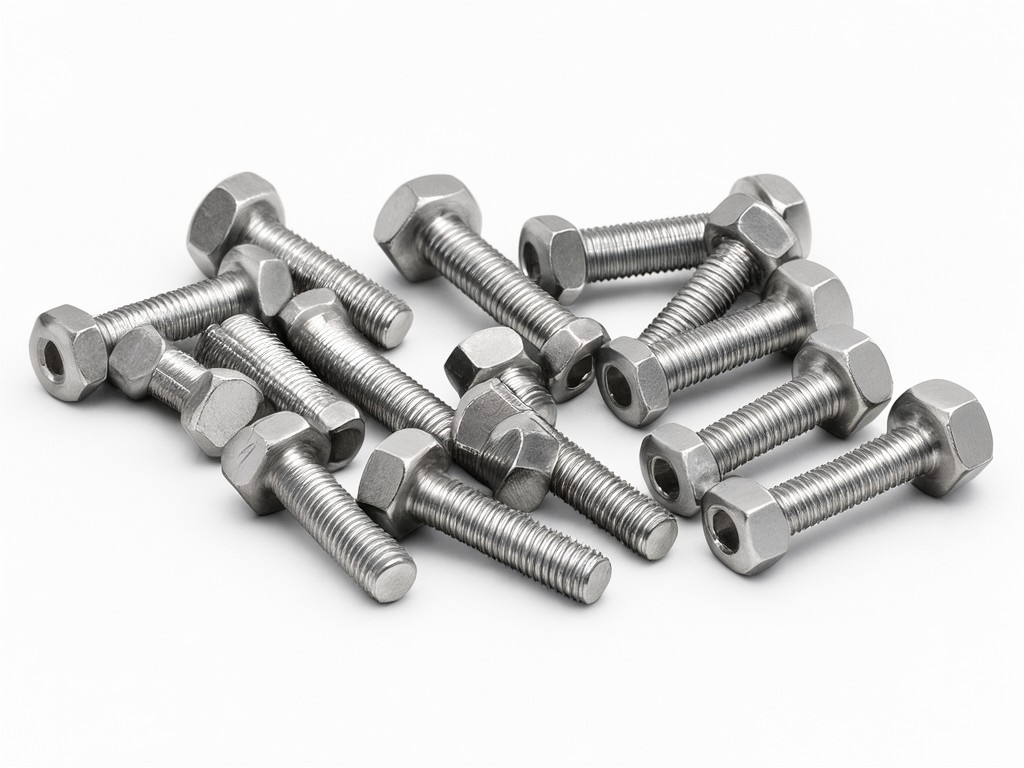
In equipment assemblies exposed to outdoor weather, the material choice must match the actual moisture and salt conditions. In frequently serviced joints, consistent head dimensions and thread fit matter to the mechanic’s tool engagement and installation feel. Bulk buyers should also consider whether packaging keeps the threads protected and the grade identifiable through storage and distribution.
Quality Control and Batch Consistency
Batch variation becomes costly when a replacement shipment does not fit the same nut, wrench, or assembly fixture as the approved lot. A controlled OEM specification should identify the measurement points, sampling approach, material documentation needs, and acceptance rules before repeat orders begin. Inspection records tied to lot identification give distributors a path to investigate complaints without mixing evidence from different batches.
| Service Condition | Complaint Seen in the Field | Specification and Inspection Control |
|---|---|---|
| Repeated assembly against a fixed nut or tapped hole | Cross-threading, poor fit, or a bolt that will not seat as expected | Lock the thread series and fit in the drawing; check thread dimensions and verify fit with the nominated mating part. |
| Outdoor, washdown, or chloride exposure | Surface staining or corrosion that prompts returns and replacement requests | Choose the grade for the exposure; verify material identity and retain lot-level records. |
| High-volume installation with powered tools | Thread galling, seized fasteners, or inconsistent installation feel | Validate the sample with the actual tightening method and specified lubricant; check thread condition and head dimensions by lot. |
| Private-label reorder across multiple deliveries | Mixed specifications, unclear traceability, or pack-label mismatch | Use an approved master sample, controlled revision, lot identification, and an agreed carton and inner-pack label check. |
A dimensional check should cover the features that govern fit: diameter, length, head dimensions, and thread condition. Material verification and any requested documentation should be tied to the shipment lot. For private-label supply, compare the production pack and marking against the signed-off artwork or sample before release.
Ordering, Tooling and Lead-Time Questions
Which details should an importer include in a sample request?
Send the diameter, thread series, length and measurement convention, head dimensions or drawing, stainless grade, thread coverage, and intended finish. Include the mating component or installation conditions where fit and tightening behaviour are important. This gives the sample review a defined basis instead of relying on visual matching.
Does a private-label order need custom tooling?
A standard dimensional configuration may avoid bespoke tooling, while a changed head form, nonstandard dimension, or custom marking needs a technical review. Share the drawing and branding file early so the supplier can confirm feasibility and any setup implications before sample approval.
How should the buyer compare quoted lead times?
Request the schedule against the approved grade, dimensions, quantity, inspection requirements, and packaging artwork. Material availability, special specifications, and label approval can change the confirmed timing, so compare quotations only after those details are fixed. Confirm the MOQ and shipment packing terms for each SKU in the same enquiry.
Request a Specification-Matched Sample
Share your current part number, drawing or sample, grade preference, and private-label packing requirements. A sample review can establish the dimensional and installation reference before bulk supply is quoted.
Request a sample and discuss your specification