


Specifying top quality 12 point socket hex head bolts solution for Wholesale and OEM Orders
Fatigue appears at the stress concentration, not in the headline drive description. A 12-point external-drive bolt can give an installer more wrench engagement positions in restricted clearance, but only when the drive, thread, material and coating match the joint and tool.
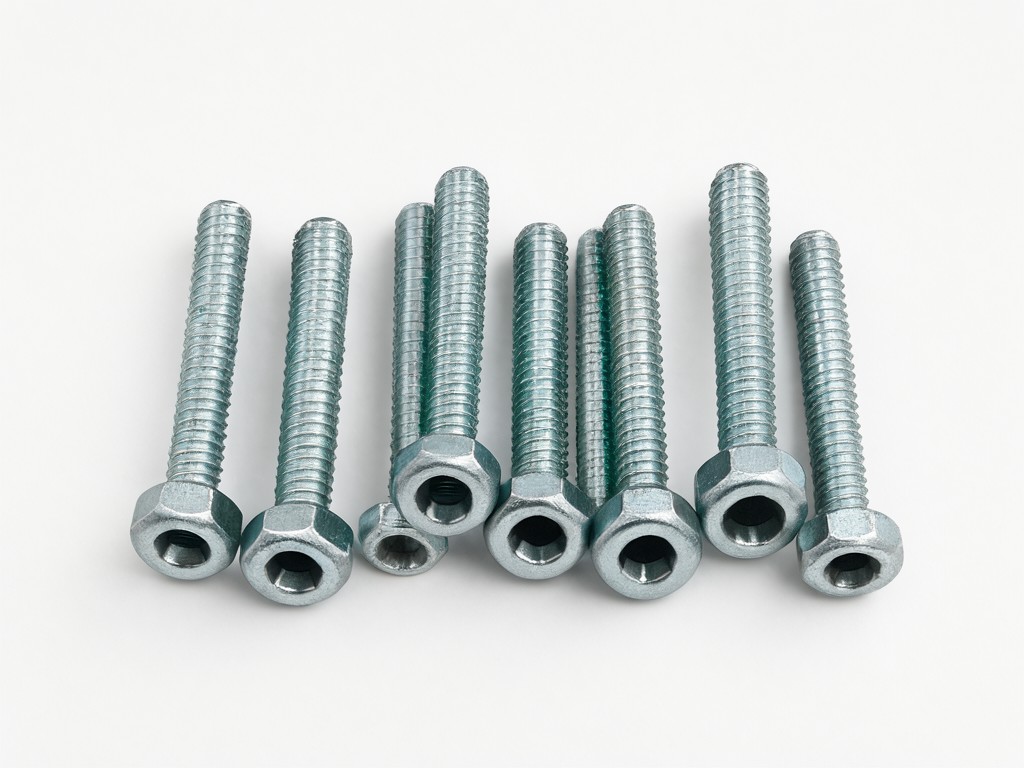
For private-label orders, a controlled drawing and inspection plan usually save more than a small unit-price reduction. The product described here is a forged bolt with a 12-point external wrenching head, also called a bi-hex head; it is not a bolt with an internal hex socket.
Scope of Supply and Physical Form
Wholesale and OEM supply can cover the bolt, finish and packing configuration against an approved drawing. The drawing should define thread diameter and pitch, under-head length, head dimensions, drive geometry, tolerance class, material or property requirements, and any washer or flange feature.
The 12-point profile is useful where a conventional hex head leaves limited tool clearance. It still requires a correctly sized 12-point wrench or socket; forcing a near-fit tool can round the drive and increase replacement time.
Materials and Construction Trade-offs
Material choice affects strength, corrosion behaviour, process controls and landed cost. Specify the required mechanical properties and exposure conditions together; choosing a material by name alone can leave the bolt unsuitable for the joint.
Heat-Treated Alloy Steel
Often selected for load-bearing joints where specified strength and fatigue performance take priority. A protective finish can improve weather resistance, but coating thickness and thread fit must be controlled together.
Stainless Steel
Can suit damp or outdoor exposure when the selected grade fits the environment. It typically carries a material-cost premium, and galling risk during tightening may require a defined installation method or compatible lubricant.
Zinc-based coatings, zinc-flake systems and other finishes differ in corrosion protection, appearance, thickness and cost. Select the finish against exposure and assembly needs, then approve the actual coating and colour on a production-representative sample.
Construction Method and Its Effect on Consistency
For common production sizes, cold heading forms the blank and head, followed by thread rolling and the specified heat-treatment and finishing operations. This route supports repeatable head and thread production when wire condition, tooling setup and process checks stay within the approved limits.
A worn die can shift head geometry; thread-rolling setup changes can affect thread fit. Batch controls should therefore cover critical dimensions, thread gauging, visual finish checks and the mechanical tests required by the agreed drawing or purchase specification.
Inspection rule: approve the drive and thread against the mating tool and nut or tapped component, not by visual appearance alone. Define sampling frequency and acceptance limits before the first bulk run.
What Can Be Customised and What Cannot
Private-label matching is most straightforward when the existing joint geometry remains fixed. The buyer can usually specify:
- Bolt diameter, pitch, length, head dimensions and 12-point drive size within available tooling capability.
- Material, property requirements, finish, colour, lubricant or other agreed surface condition.
- Pack quantity, carton markings, private-label identification and batch traceability fields.
Changing the head profile, thread form or under-head geometry can require new tooling and renewed fit approval. Keep the mating nut, tapped hole and installation tool unchanged if the objective is specification matching rather than product redesign.
Segment-Specific Requirements
Private-label buyers need repeatable dimensions, finish and carton identification across purchase orders; a change in coating source or heat-treatment route should go through an agreed change-control review. Club or academy purchasing managers typically need a clear replacement match for existing equipment or facilities, so confirming the installed bolt dimensions and tool access matters more than selecting a new head style by catalogue description.
For outdoor or damp service, the finish and storage pack both affect corrosion complaints. For repeated service removal, drive fit and thread condition influence labour cost; a low purchase price does not offset rounded heads, seized threads or avoidable warranty returns.
Capacity, Tooling and Scheduling
Existing heading and thread-rolling tools can shorten setup and reduce the cost of a repeat order. New head dimensions, unusual thread combinations or a finish change may add tooling work, sample approval and a production setup step.
Schedule against the approved drawing, material availability, finish route and required inspection—not just the press run. Confirm the sample sign-off point, order quantity, pack format and shipment window before allocating a production slot.
Stock Availability and Reorder Planning
Stock status depends on the exact diameter, length, thread, material and finish combination. Reorder planning works best when the approved sample, drawing revision and inspection criteria are retained against the item code, so a replenishment does not quietly shift to a near-match.
| Transit or Use Condition | Likely Complaint | Pack or Specification Control |
|---|---|---|
| Long export transit with humid-container exposure before outdoor installation. | Surface corrosion or finish marks on arrival. | Agree the corrosion-protection finish, use a moisture-conscious inner pack, and keep cartons closed until use. |
| Bulk-bin picking for repeated maintenance or assembly work. | Mixed lengths, damaged drives or an incorrect replenishment lot. | Separate sizes by labelled inner bags or compartments; retain lot identification and check drive and thread dimensions to the approved drawing. |
Carton labels should identify the buyer's item code, size, finish and batch as agreed. Pack quantity and carton strength should reflect handling and freight conditions; excessive bulk packing can raise sorting and damage costs at the receiving end.
Setup, Use and Replacement Parts
Before installation, confirm the 12-point tool size, thread engagement and condition of the mating parts. Apply the specified tightening method; torque values depend on material, coating, lubrication and joint design, so a generic value can produce an under-tightened or overstressed joint.
Replace a bolt with a rounded drive, damaged thread, corrosion at the bearing surface or evidence of fatigue. For maintenance stock, retain the approved part identification and do not substitute a similar-looking fastener with a different material, property level or finish.
Specification Review for OEM Orders
Send the drawing or a reference sample with material, finish, inspection and packing requirements. A review before sampling can identify tooling, coating-fit and reorder risks while the specification is still easy to align.
Request a specification review for a private-label or wholesale order.