


top quality 7 16 20 allen head bolt suppliers: What Buyers Should Check Before Ordering
Before comparing quotations, confirm that every supplier is pricing the same fastener: a 7/16-20 threaded bolt with an internal hex drive, specified material, length, finish and dimensional tolerances. For OEM and private-label orders, repeat-batch consistency matters as much as the first sample. A low unit price can become expensive if thread fit, socket condition or coating variation leads to assembly delays, returns or warranty claims.
What the Design Has to Balance
Unit price settles the question only after the drawing and service conditions are clear. The 7/16-20 designation identifies a nominal 7/16-inch major thread diameter and 20 threads per inch; it does not define the bolt length, under-head geometry, socket depth, material or finish. Those details determine whether the fastener seats correctly, accepts the specified hex key and holds its surface protection in the intended environment.
A socket-head design concentrates drive contact inside the head, which helps where access is limited, but a shallow or poorly formed socket can round under installation torque. Material and heat-treatment choices affect strength and hardness, while also changing price and machining requirements. Specify the joint load, mating material, installation tool and exposure to moisture or chemicals; otherwise a supplier may quote a fastener that matches the thread callout but not the actual assembly.
Drawing control: define thread class and tolerance, length measurement point, head dimensions, socket dimensions, material condition and finish. Approve one complete sample against that specification before authorising a production run.
Option Comparison by Usage Level
Unit price and service life diverge when the finish, material or installation frequency changes. A standard finish may suit dry, enclosed assemblies, while a corrosion-resistant option can reduce replacement and service costs in damp or exposed locations. Confirm coating compatibility with the mating parts and assembly process; finish thickness can affect thread fit.
Routine, Protected Assemblies
For indoor equipment with limited maintenance exposure, a cost-controlled steel specification and suitable standard finish may be sufficient. Set acceptance limits for coating coverage and thread engagement so the savings do not shift cost into rework or rejected assemblies.
Frequent Service or Corrosive Exposure
Where fasteners face repeated removal, moisture or chemical contact, price the material and surface treatment against service access and replacement labour. A change in alloy or finish requires a fit and assembly review rather than a direct substitution by name alone.
| Finish route | Typical appearance | Buyer check |
|---|---|---|
| Plain or oiled steel | Bare metallic surface; oil may alter appearance and handling. | Confirm storage protection, rust expectations and whether the assembly needs a dry surface. |
| Black oxide or comparable conversion finish | Dark, low-build appearance; protection depends on the specified process and after-treatment. | Set colour and coverage limits, and confirm the required corrosion performance for the service environment. |
| Zinc-based or other specified coating | Silver, coloured or otherwise specified coating, depending on the process. | Review coating build against thread fit, appearance limits and any material-specific process risks. |
| Stainless steel, as specified | Natural metallic appearance; grade determines material behaviour. | Confirm grade, galling considerations and suitability for the joint and environment. |
Matching the Product to the Buyer's Need
Start with the failure cost, then move through the specification. The decision path below helps OEM and retail buyers compare like-for-like offers before locking a repeat order.
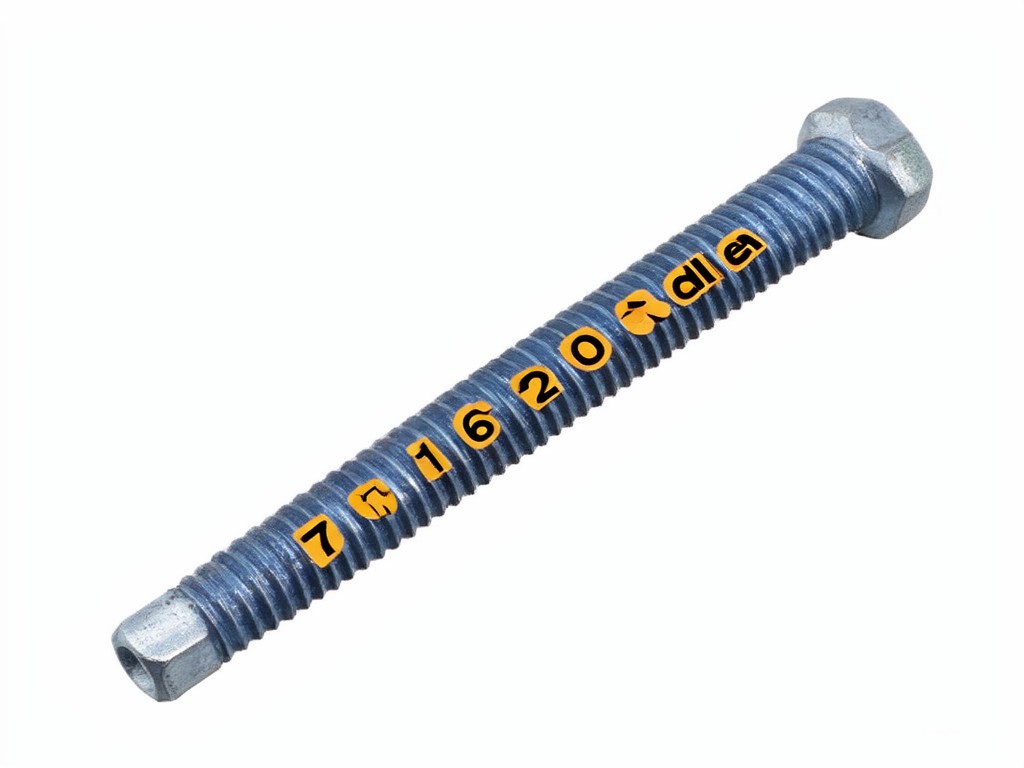
- If the bolt sits in a dry, protected assembly, select the material and finish that meet the drawing without adding an unnecessary coating cost.
- If the fastener is removed during routine service, check socket condition and tool access as well as thread fit.
- If it remains installed for long periods, prioritise compatible corrosion protection and storage controls.
- If a failed fastener could stop a production line or trigger a customer return, specify batch identification and agree the sample approval limits before volume production.
- Compare quotes on the same material condition, finish, dimensional tolerances and packing basis.
- For lower consequence applications, avoid paying for options that the drawing and service conditions do not require.
- If the supplier proposes a substitute, request a drawing review and assembly trial before accepting a change to material, coating or head geometry.
What Can Be Customised and What Cannot
Length, head dimensions, socket size and depth, thread length, material, finish and packaging can usually be quoted to a customer drawing or agreed specification. A non-standard head or socket may require dedicated tooling and can affect both minimum order quantity and lead time. Colour targets for coated parts should be approved from a production-representative sample, not from a screen image.
The 7/16-20 thread designation itself is not a substitute for a complete thread specification. Do not change the pitch, thread class, material or coating build to solve a fit issue without checking the mating component and assembly process. For repeat orders, freeze the approved drawing revision and identify permitted substitutions in writing.
Usage Scenarios and Buyer Segments
OEM buyers use these bolts in equipment assemblies where a socket drive provides access to a recessed or narrow joint. Their main concern is consistent fit across production lots: a change in thread acceptance, head height or socket geometry can slow assembly and create downstream rework.
Retail and private-label buyers may purchase for maintenance assortments or branded hardware packs. In those channels, mixed finishes, incomplete counts or damaged surfaces can become customer complaints even when the nominal size is correct. Agree pack quantity, label content and acceptable cosmetic variation before the first production run.
For exposed machinery or frequent service, assess corrosion, tool wear and replacement access together. Buyers should match the specified finish and material to the actual environment rather than rely on a broad “industrial use” description.
Working as a Production Partner, Not a Catalogue Supplier
For OEM and private-label supply, consistency comes from controlling the order definition from sample through reorder. A production partner should review the drawing for conflicts between thread, coating and mating-part requirements, then retain the approved revision and batch records for repeat production.
Factory checks can include thread gauges, dimensional measurement of head and length, visual review of socket edges and finish coverage, and material or hardness verification where the specification requires it. Agree the sampling plan and records needed for the order before production; do not treat a sample approval as a replacement for defined batch controls.
A drawing and tooling review can identify non-standard features that affect setup, cost or reorder timing before those choices enter the purchase order.
Packing, Marking and Freight Configuration
Bulk cartons reduce handling cost, while smaller inner packs support stockroom control and retail picking. Specify the quantity per inner pack and master carton, whether mixed lots are permitted, and how the product and batch are identified. For export shipments, packaging should limit movement that can mark coated surfaces or damage carton integrity during transit.
Marking requirements may include size, material or finish description, order reference, lot code and private-label artwork. Confirm label language, barcode format and carton marks with the buyer's receiving team before artwork approval. Keep the approved pack configuration on file so reorder quantities and traceability do not drift.
Questions Buyers Ask Before Ordering
Does 7/16-20 Specify the Complete Bolt?
No. It states the nominal thread diameter and pitch. The drawing should also identify length, head and socket dimensions, thread tolerance, material, finish and any inspection or marking requirements.
Can a Coated Bolt Replace a Plain-Finish Sample Without a Fit Trial?
Not automatically. Coating build can affect thread engagement, and the new surface may behave differently in the joint. Approve the revised finish against the mating part and installation method before release.
What Should Be Fixed Before a Repeat-Order Quote?
Freeze the drawing revision, material and finish, acceptance criteria, pack quantity and label details. Ask the supplier to identify any proposed process or source change before it affects a later batch.
Which Details Affect MOQ and Lead Time Most?
Non-standard head or socket geometry, special material or finish, dedicated packaging and private-label artwork can add setup or approval steps. Share the drawing, forecast quantity and pack requirements together for a useful production estimate.
Review the Drawing Before the Next Order
Send the drawing, annual or batch quantity, intended environment and packaging requirements for a tooling and specification review. Confirming those points before quotation helps keep sample approval, production controls and repeat-order expectations aligned.
Request a tooling review