


Specifying top quality hex socket cap binding bolts exporter for Wholesale and OEM Orders
Material choice starts with the conditions the assembly will meet. For equipment OEMs, club maintenance teams and wholesale buyers, the right bolt has to fit the mating thread, clamp the stack securely and remain serviceable after repeated assembly. Confirming those details early gives production and export packing time to align with a launch date.
The term “binding bolt” can describe different head and mating-part arrangements across drawings. Send the bolt and mating component details together; a head style alone is not enough to confirm fit.
Where Cheaper Alternatives Fall Short
Repeated servicing exposes the cost of loose dimensional control. A shallow or poorly formed hex socket can let the key slip; inconsistent thread fit can make assembly slow or leave the joint short of its intended clamp. In equipment cleaned with sweat-removal products or exposed to poolside humidity, a finish that is not matched to the environment can also show corrosion sooner.
Procurement check: specify the thread, under-head length, head dimensions, socket size, material and finish as a matched set. If the bolt works with a separate binding component, include that part or its drawing for fit confirmation.
UV exposure has little direct effect on a metal fastener, but it can age nearby polymer parts and expose a joint to more frequent service. Chlorine-bearing cleaners and persistent moisture are more direct concerns for the bolt’s finish. Choosing a coating without checking cleaner contact and the mating material can trade initial unit price for earlier replacement or seized threads.
What the Design Has to Balance
A compact cap head saves clearance, while a larger head can spread bearing load over more of the clamped surface. The socket must still leave enough material around its walls to resist key slip during tightening and later removal. These choices depend on the joint, not on head appearance alone.
Thread Engagement
Check thread form and usable engagement against the receiving part. A bolt that bottoms out before clamping can feel tight without securing the joint.
Tool Access
Socket depth and hex-key clearance affect installation feel and service time, especially in recessed or closely spaced equipment joints.
Head Bearing
Match the head diameter and underside to the bearing surface. Soft or coated mating parts may need a broader contact area to limit local marking.
For repeat orders, approve a drawing or physical sample before production. Dimensional checks should cover the features that control fit and tool engagement; torque checks should use the actual mating parts and agreed assembly method rather than an isolated bolt.
Materials and Construction Trade-offs
Where chlorine, sweat or UV exposure is routine, choose material and finish around the actual cleaning schedule and contact surfaces. Steel bolts commonly use cold heading followed by thread rolling and socket forming or machining, with the route determined by size and drawing requirements. The finish then has to suit both corrosion exposure and the mating material.
The table gives a starting point for a quote, not a substitute for the controlled drawing. Common metric diameter and length availability depends on the selected head geometry, tooling and order quantity. Individual mass is calculated from the final dimensions and material; it should be confirmed from the approved sample or production data before freight is booked.
| Construction choice | Typical size and mass basis | Trade-off for the buyer |
|---|---|---|
| Carbon steel with a specified protective finish | Metric sizes and lengths quoted to drawing; mass varies with diameter, length and head form. | Often cost-conscious for dry or controlled indoor use. Confirm cleaner compatibility and corrosion expectations before selecting the coating. |
| Stainless steel grade selected for the service environment | Size and mass remain drawing-dependent; thread and mating-part fit require sample approval. | Useful where moisture exposure is frequent, with a higher material cost. Check galling risk and assembly lubrication where applicable. |
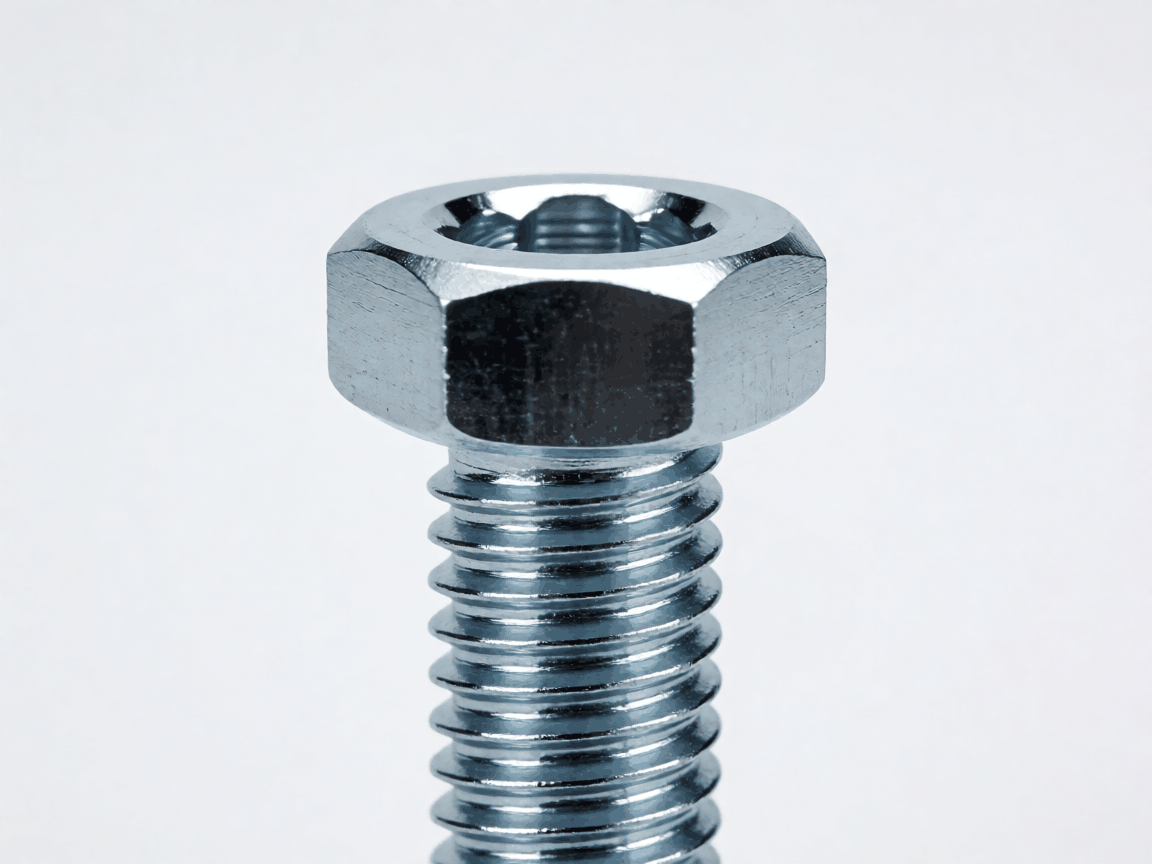
For custom finishes, plating or passivation details should be agreed with the intended cleaning agents and any adjacent aluminium or polymer parts in view. A sample exposed to the buyer’s actual cleaning routine can reveal coating wear or thread changes before a full order is released.
OEM and ODM Programme Structure
A complete RFQ lets the factory check the joint before pricing tooling or production. Include the controlled drawing, material and finish preference, target quantity, assembly environment and requested delivery window. If the item has a paired binding component, provide its drawing and identify whether both pieces ship as a set.
| Customisation area | Information to approve | Launch-date consideration |
|---|---|---|
| Geometry and thread | Head profile, socket dimensions, thread, length and any mating component. | Late drawing changes can require a new sample review or tooling adjustment. |
| Finish and identification | Finish appearance, any permitted head marking, packaging label and lot identification. | Approve artwork and label text with the sample so packaging does not hold the finished order. |
| Pack format | Bulk count, inner-pack quantity, carton marking and whether paired parts are kitted. | A confirmed pack plan supports warehouse receiving and club or retail allocation. |
OEM orders can hold a fixed drawing and finish across repeat lots. ODM work can include head, socket or packaging changes, but each change needs a clear approval point. Keep the approved sample, drawing revision and pack specification linked to the purchase order to reduce variation between replenishment batches.
Volume Planning and Lead Time
Delivery timing depends on material availability, forming and thread tooling, finish processing, sample approval and the export pack plan. Standard geometry with an agreed finish is usually simpler to schedule than a custom head or a new marking requirement. The factory can firm a ship window after it reviews the drawing, quantity and approval route.
For a club or product launch, provide the required arrival date as well as the requested ship date. Reserve time for transit and receiving inspection, and avoid changing artwork or packaging quantities after the production pack has been approved. Where several sizes are ordered, confirm whether cartons should be mixed or separated by size and lot.
- Release the final drawing and finish callout before sampling.
- Approve fit, socket engagement and pack labels against the same revision used for production.
- Share carton, lot-traceability and delivery requirements when requesting the quotation.
Artwork and Branding Review
Send the drawing, head-marking request and packaging artwork together for review before order release. The review can flag legibility limits on the head, label details that need confirmation and pack choices that affect the launch schedule. Share your RFQ and target delivery date to start the review.