


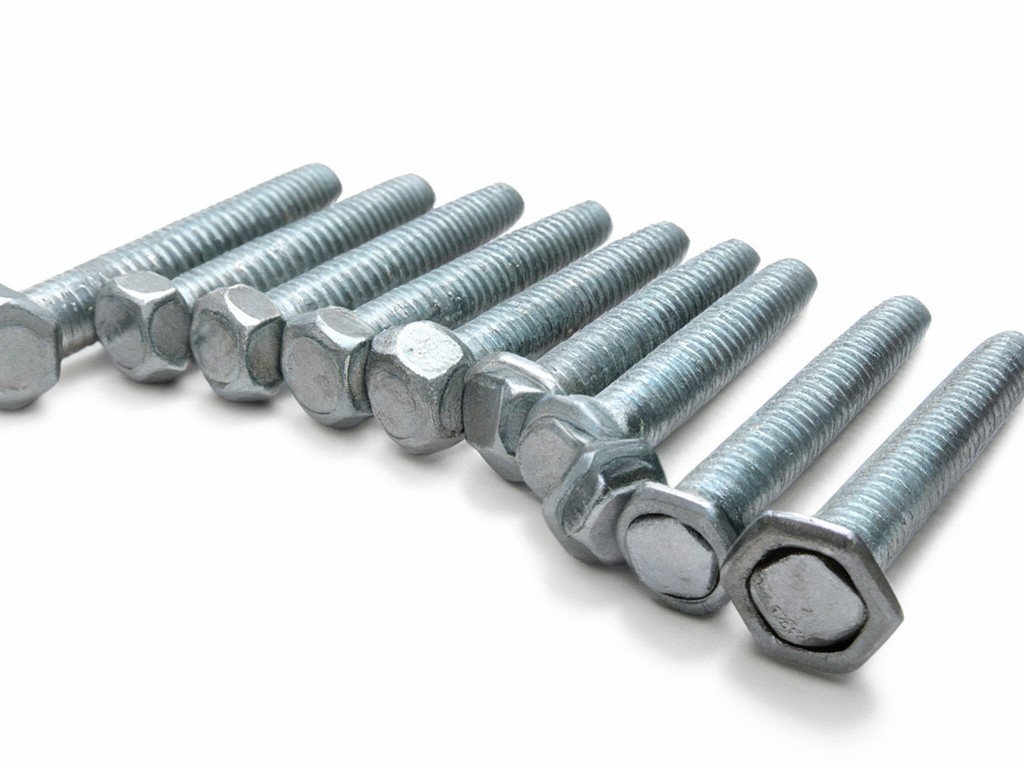
top quality recessed hex head bolts china supplier: Specification, Ordering and Quality Notes
How It Performs in Use
Replacement rate, not unit price, is the useful measure when a fastener failure interrupts facility maintenance or a scheduled equipment rollout. A recessed hex socket lets an Allen key or hex bit apply torque where an external wrench has limited clearance.
Performance depends on matching the socket, bolt grade, thread engagement and joint material to the service load. A socket that is too shallow or damaged can round under installation torque; a bolt that is too long can bottom out before the joint clamps. For exposed outdoor assemblies, the coating or stainless grade must also suit moisture and the surrounding materials, since a coating choice that works indoors may not prevent corrosion in persistent wet conditions.
Specify the full joint condition, not just the nominal thread size: material, length under head, socket drive, finish, installation access and exposure. Those details determine whether a production lot fits the assembly and whether installation tools can seat it without socket damage.
Where This Product Beats Standard Alternatives
Compared with an external hex head, the recessed drive can suit compact assemblies and countersunk or confined installation points. The trade-off is tool fit: the hex key must fully engage the socket, and the installer needs access along the fastener axis.
Recessed Hex Drive
Choose it when side clearance is limited or a flush, compact head profile matters. Drive size and socket depth need to match the installation tool and expected torque.
External Hex Head
Choose it when a wrench can reach the head and installers need a familiar drive. The head needs more surrounding clearance, but tool engagement is visible during assembly.
Lower-cost stock can reduce the purchase price, but inconsistent dimensions or a finish unsuited to weather exposure can increase replacements and warranty claims. For repeat OEM orders, a controlled drawing revision and agreed sample are usually more valuable than switching sources to save a small amount per piece.
How to Choose Before Requesting a Quote
Use this decision path to make the quote comparable across material and finish options. Dimensions and packaging details can be confirmed against the drawing and order quantity.
- Start with the assembly drawing or a measured sample.
- If the joint is already designed, provide thread diameter and pitch, length under head, head dimensions, socket size and tolerance requirements.
- If dimensions are not fixed, send the mating-part thickness, hole details, clearance limits and required clamp condition for a feasibility review.
- Choose the material for the load and exposure.
- For general indoor assemblies, compare carbon steel grades and protective finishes against the specified strength and corrosion needs.
- For outdoor or wet service, state the exposure and mating materials; stainless steel or a corrosion-protective coating may be appropriate, subject to strength and galling considerations.
- Set the batch and launch requirements.
- If repeatability across private-label lots matters, approve a production sample and lock the drawing revision and finish description.
- If the launch date is fixed, confirm MOQ, tooling status, sample approval timing and the required dispatch window before placing the order.
| Quote item | Options or information to confirm | Why it affects the order |
|---|---|---|
| Size and thread | Metric or inch thread, diameter, pitch, length under head and drawing tolerances | Prevents fit problems and avoids late drawing changes. |
| Head and drive | Head profile, socket size, socket depth and required tool access | Affects assembly clearance and drive engagement. |
| Material and finish | Specified steel grade or stainless option; coating type, colour and exposure conditions | Changes corrosion behaviour, strength, cost and process route. |
| Batch and packing | Order quantity, bulk or counted packs, label language, private-label details and carton marking | Sets packing labour, carton configuration and the information required for receiving. |
Tooling amortisation decides whether a custom head or non-standard dimension makes sense at the planned volume. Include expected annual demand and any repeat-order forecast so the quote can separate one-time tooling cost from unit price.
Who Uses It and Where It Matters
Club and academy purchasing teams may specify recessed hex bolts for equipment frames, storage systems, seating assemblies and facility fixtures where a compact head or limited wrench clearance affects installation. Procurement officers sourcing for multiple sites also benefit from a stable drawing revision: maintenance teams can reorder a known fit rather than identify a substitute during a repair.
Outdoor fixtures face rain, standing moisture and repeated temperature changes. In those conditions, the finish must match the exposure and the mating components; dissimilar metals and damaged coatings can change corrosion behaviour. Indoor stock can remain a lower-cost choice where the assembly stays dry and its load requirements permit the selected material.
- Facility maintenance teams need replacement fasteners that match existing thread and head geometry.
- OEM equipment builders need repeatable dimensions across production batches and replenishment orders.
- Distributors and private-label buyers need pack counts and carton identification suited to their receiving and resale process.
OEM and ODM Programme Structure
OEM supply follows the buyer’s approved drawing, material and finish requirements. ODM work can begin from a mating assembly or sample when dimensions need development; the final specification should record the agreed geometry, revision and finish before production starts.
Batch consistency depends on holding the same process route and acceptance basis across orders. A production sample can establish the reference for head dimensions, socket fit, thread fit and appearance. Factory checks can use dimensional gauges or optical measurement for geometry, thread gauges for fit, hardness checks where specified and coating-thickness measurement for coated parts. Results and acceptance limits should be agreed against the drawing rather than assumed from a generic catalogue description.
For private-label reorders, retain the approved sample reference, artwork files and revision-controlled specification. This reduces the chance of a visually similar but dimensionally different substitute entering a later batch.
Custom marks, head geometry or non-standard dimensions can add tooling expense and approval steps. Share target quantities and sales forecasts early so tooling cost can be considered against reorder volume and the cost of returns or warranty claims.
Capacity, Tooling and Scheduling
Common recessed hex bolt dimensions can often use existing forming and threading setups; custom head profiles, unusual sizes or special finishes may require additional tooling or a separate process route. Confirm the available production window only after the drawing, sample requirements, material choice and order quantity are clear.
For a launch-date order, put the approval milestones on the schedule: drawing sign-off, sample review if needed, label approval and final quantity confirmation. The factory can then identify which decisions affect production start instead of discovering an unresolved specification after the order enters the queue. Reorders against an unchanged, approved specification usually avoid the first-order tooling and sample steps, subject to material and capacity availability.
Request a Tooling Review
Send the drawing or sample details, target quantity, material and finish requirements, service environment and required delivery window. A tooling review can clarify process feasibility, sample needs and which specification choices affect unit cost or launch timing.
Contact the team to review your recessed hex bolt specification and schedule.