


top quality stainless steel hex head cap screws suppliers: What Buyers Should Check Before Ordering
The interface between parts determines whether a hex head cap screw fits the assembly without changes to the mating hole, tool access or installation sequence. Agree on the drawing, material, thread and finish before production; a matching product description alone does not lock down those details.
For procurement officers and club or academy purchasing managers, serviceability and supply continuity often depend on repeating an existing specification. A supplier should be able to review the current drawing or physical sample, flag mismatches, and document the approved version before the order enters production.
Where Cheaper Alternatives Fall Short
A low unit price can conceal a change in thread pitch, head dimensions or stainless grade. Any one of these can make a screw incompatible with the part it is meant to secure, or alter how much tightening force the assembly can tolerate.
Stainless fasteners can gall when their threads run against stainless mating parts. Confirm the installation method and any approved lubricant or anti-seize treatment with the design owner; lubrication changes the relationship between applied torque and clamp load.
A cheaper substitute may also use a different surface condition or head profile. That can affect wrench clearance, appearance across a visible assembly, and the ability to remove the fastener during routine repairs.
Design Constraints Behind the Specification
Consistency depends on a complete definition of the mating interface. Record the nominal diameter, thread pitch, under-head length, head dimensions, point style and any unthreaded shank length. Identify whether the drawing uses metric or inch dimensions, and state which dimensions carry tolerances.
Material choice is a service-condition decision, not a label to swap without review. Stainless grades commonly associated with 304 and 316 offer different corrosion resistance; the surrounding chemicals, moisture and cleaning regime help determine which is suitable. Also confirm the required load and tightening method, since stainless fasteners do not automatically provide the same strength as an alloy-steel substitute.
Before release, match the supplier quotation to the approved drawing revision and sample. Put any permitted substitutions, finish requirements and packaging marks in writing so a reorder does not rely on an informal email or an old sample.
Comparing Two Standard Configurations
Deflection under load governs the choice of fastener size, grade and mating design. Use the existing assembly drawing and service conditions to decide; do not select a screw by head style alone.
| Configuration | Typical selection context | Agreement points | Packaging and supply |
|---|---|---|---|
| 304 stainless, standard hex head and full thread where specified | General indoor or outdoor assemblies where the service environment suits this grade. | Confirm diameter, pitch, length, head dimensions, finish and any unthreaded portion against the drawing. | Agree bulk quantity per carton, inner-pack quantity, label content and lot identification before order placement. |
| 316 stainless, standard hex head and thread form matched to the assembly | Assemblies exposed to more demanding moisture or chemical conditions, subject to design review. | Confirm the grade on the order documents and retain the approved material choice for repeat orders. | Specify corrosion-sensitive storage and export packing needs, plus carton marks that distinguish this item from similar sizes. |
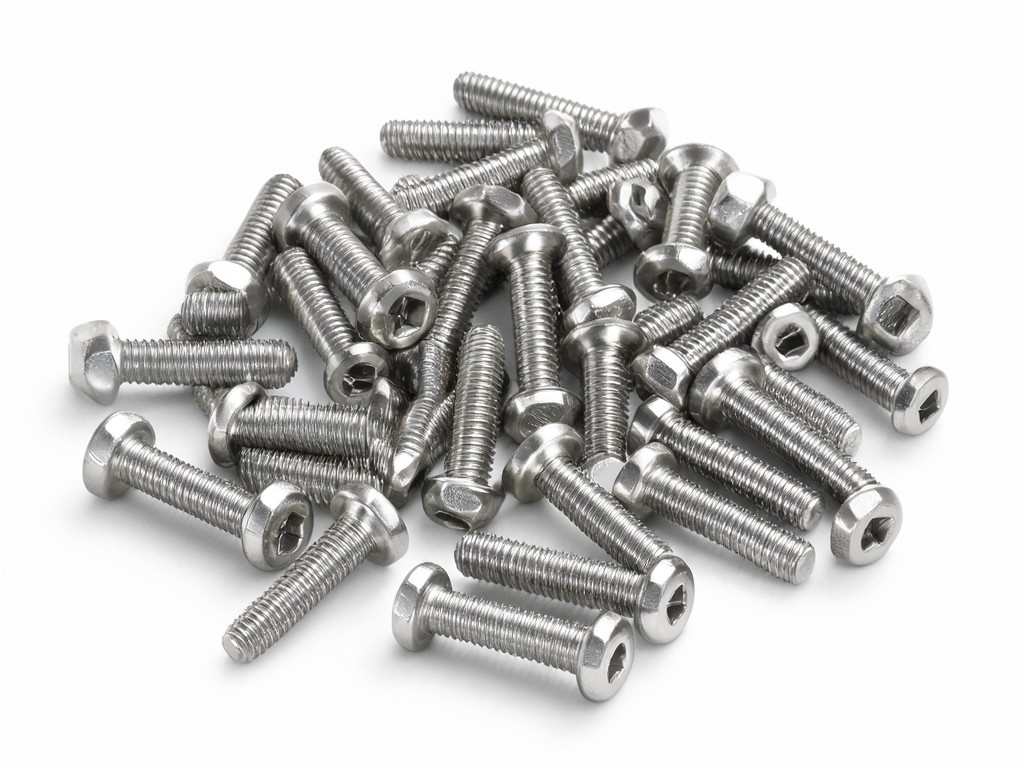
- If the current drawing names a grade and the environment has not changed, request the same grade and configuration first; compare alternatives only after the design owner approves them.
- If the assembly has corrosion exposure beyond its original service conditions, ask for a grade review before requesting a price change.
- If a physical sample is the only reference, have the supplier record its measured dimensions and resolve unclear thread or tolerance details before sample approval.
Buying Mistakes That Lead to Returns
The most common preventable return starts with an incomplete match: a nominal diameter is copied, but the pitch, length reference or head clearance is missed. A screw can fit a loose sample and still fail to fit the production assembly if the sample does not represent the approved revision.
- Check the thread system and pitch rather than relying on a diameter-only description.
- State whether length is measured from beneath the head, and identify any required partially threaded shank.
- Do not replace the specified grade or finish with a supplier's stock option without design approval.
- Keep the signed-off sample, drawing revision and purchase description aligned before authorizing repeat production.
What Can Be Customised and What Cannot
Common adjustments include length, thread coverage, grade, finish, pack quantity, carton labelling and documentation format. A head mark or other identification may be possible, but available marking space and production method can limit its size and placement.
Changes to head geometry, shank profile or a nonstandard thread may require different tooling or a machining route. That can change setup cost, minimum order quantity and lead time. Keep the existing mating geometry fixed if the goal is to match a private-label specification without redesigning the product.
Treat the approved drawing, sample, finish description, label artwork and packaging plan as separate approval items. A change to any one of them should trigger a revision check before production release.
Who Uses It and Where It Matters
Club and academy purchasing managers may specify these screws for equipment frames, storage fixtures, benches or other maintainable assemblies. The relevant conditions are repeated installation and removal, tool access, contact with cleaning moisture, and the availability of an exact replacement during a repair.
Procurement teams sourcing for a private-label equipment or hardware range need the same dimensional definition across production batches. Clear carton identification and a retained specification reduce mix-ups when several lengths or thread pitches share a warehouse location.
OEM and ODM Programme Structure
An OEM order usually starts from a buyer's released drawing or sample, followed by a quotation against the agreed material, dimensions, finish, pack format and order volume. The buyer reviews the sample against the mating assembly before approving the production reference.
An ODM discussion is more appropriate when the buyer needs a new screw configuration or a change to an existing design. Resolve the mating-part interface and tooling implications first, then confirm sample timing, minimum quantity, artwork, packaging and the approval route. For repeat supply, retain the agreed revision and order description as the source for reorders.
To discuss an existing specification or a proposed change, send the drawing, sample details and target packaging plan. Include the intended service environment and annual or order quantity so the supplier can assess the right production route.