


Wholesale 1 1 2 stainless steel u bolt clamp Suppliers: Specification, Ordering and Quality Notes
First-article tooling determines the U-bolt radius, leg spacing and thread alignment that the buyer will need to approve before a production release. For a 1 1/2-inch clamp, those details must match the pipe’s measured outside diameter and the selected saddle or mounting arrangement; the nominal size alone does not define the fit. A sample approved against the drawing gives the product team a practical reference for checking fit before a launch order is committed.
Consistency is set at the forming stage, then confirmed through dimensional checks on the bend, leg spacing, thread and supplied hardware. A small mismatch can make installation difficult or leave uneven contact on the pipe. Buyers working to a retail or equipment launch date should settle the size basis, material grade, finish and included components in one approved specification; late changes to any of these can hold up sample approval or production sign-off.
Scope of Supply and Physical Form
The core item is a formed stainless steel U-bolt with threaded legs. A saddle or backing plate, nuts and washers may be supplied as a set, but buyers should confirm each component on the quotation and drawing rather than assume it is included. Specify the pipe outside diameter, leg length, thread form, centre-to-centre spacing and required clearance around the pipe. “1 1/2 inch” can refer to a nominal pipe size, not the measured diameter the clamp must fit.
Materials and Construction Trade-offs
| Exposure or condition | What to check | Specification direction |
|---|---|---|
| Outdoor UV and wet storage | Bare stainless steel is not weathered by UV in the same way as a polymer part; trapped moisture and surface deposits can still cause staining. | Confirm drainage and drying conditions. Specify UV-suitable material separately for any polymer isolator. |
| Chloride cleaners or coastal exposure | Chloride residue can promote surface corrosion, especially where deposits remain around threads or contact points. | Review 304 versus 316 against the actual exposure and cleaning method; neither grade removes the need for suitable cleaning and rinsing. |
| Repeated handling or abrasion | Look for damaged threads, burrs, worn surface treatment or deformation around the bend. | Agree the finish and inspection points on the sample; check the contact surfaces and threads after installation cycles. |
| Washdown and routine cleaning | Cleaner concentration, temperature and dwell time affect corrosion risk and residue buildup. | Match the grade and surface condition to the cleaning schedule, then rinse and dry as the service procedure requires. |
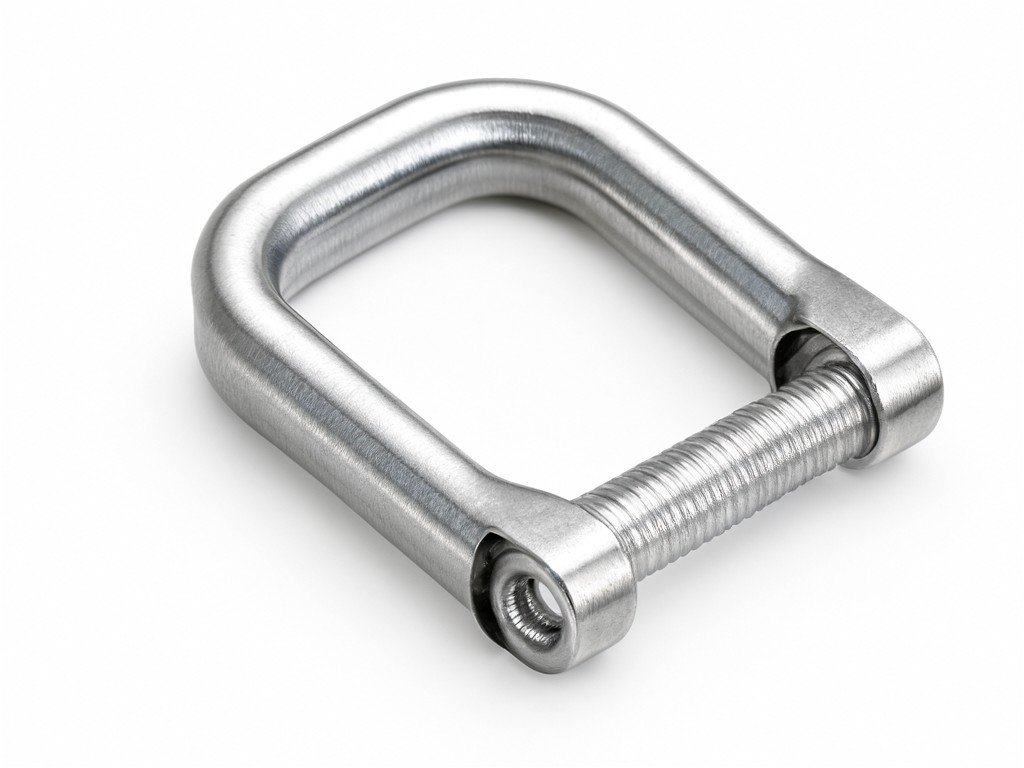
Process choice shows up later as differences in bend consistency, thread condition and surface appearance. A passivated surface may suit many general indoor and outdoor uses, while more chloride-exposed service calls for a grade review and a clear cleaning plan. Stainless steel can also gall at threaded connections; installation instructions should specify compatible hardware and an approved assembly method rather than rely on excessive tightening to correct a poor fit.
304 Stainless Steel
A common choice for general service where exposure is controlled. It can keep material cost lower than 316, but should not be selected by price alone for repeated chloride contact or aggressive washdown.
316 Stainless Steel
Often considered for more chloride-exposed conditions. The grade carries a material-cost premium and still needs suitable design, cleaning and inspection for the service environment.
Sample approval rule: record the steel grade, finish, pipe outside diameter, thread details and included hardware against the approved sample. That reference reduces specification drift between the launch order and later repeat orders.
Who Uses It and Where It Matters
Pipe-support distributors and maintenance contractors use this clamp to secure compatible pipework to a support or mounting point. Equipment builders may specify it for repeat assemblies where a consistent bend, thread and hardware set makes installation straightforward across units. Private-label buyers and brand product managers need the same details fixed on the drawing and sample record so product approval does not depend on a supplier’s informal interpretation of “1 1/2 inch.”
For outdoor plant, washdown areas or coastal installations, grade selection and cleaning exposure matter alongside the clamp’s fit. For dry indoor service, a more corrosion-resistant grade may add cost without addressing the main fit or installation risks. The mounting arrangement and service load must be reviewed for the application; a size description alone is not a load rating.
Segment-Specific Requirements
A private-label launch depends on resolving fit and finish before the production window becomes fixed. Product teams should provide a dimensioned drawing or a reference sample, identify the actual pipe outside diameter and state whether the clamp ships with a saddle, nuts and washers. If the item will be sold as a set, the approved sample should represent the complete sale unit, not just the U-bolt.
For distributors serving several end uses, keep grade and finish choices distinct in the item specification. A change from 304 to 316, a different thread, or an altered leg length can affect both fit and order timing; confirm those changes before sample sign-off. Production release should follow approval of the relevant dimensions, hardware and surface condition.
Setup, Use and Replacement Parts
Care and Maintenance
Use the installation method and tightening limit specified for the assembly; do not draw a clamp into place by force when the pipe diameter or leg spacing is wrong. After installation, inspect for uneven contact, damaged threads and movement at the mounting point. In washdown or chloride-exposed service, remove residue with a suitable cleaner, rinse where required and allow the area to dry. Avoid leaving abrasive deposits or incompatible cleaner residues at the bend and threaded ends.
Replace nuts, washers or a saddle with parts that match the original thread, material and geometry. A replacement nut that starts poorly can damage the U-bolt thread; a different saddle can change the contact area and fit. Retire a clamp with a distorted bend, cracked or damaged threads, persistent corrosion or signs of movement that the installation procedure cannot correct.
Request a Sample
Send the target pipe outside diameter, drawing or reference sample, preferred stainless grade, finish and required hardware set. A reviewed sample can confirm fit and finish before the order moves into production, helping protect your planned launch date.