


Specifying wholesale hot dipped galvanized square u bolts factory for Wholesale and OEM Orders
During a private-label launch with a fixed ship date, a square U bolt that arrives with the wrong inside width or obstructed threads can hold up assembly as quickly as a late shipment. OEM and retail buyers qualify a second source by matching the drawing, finish and packing details—not by comparing the product name alone.
Specification point: confirm whether width and height are measured inside or outside the legs, and state the datum on the drawing. Hot-dip zinc adds material to the rod and threads, so an unspoken measurement basis can create a fit problem across an otherwise matching reorder.
What This Product Is and Where It Fits
Square U bolts are bent threaded fasteners used to clamp square or rectangular sections to a supporting plate, frame or bracket. Buyers specify them by rod diameter, inside width, inside height, thread size and usable thread length. The mating surface and nut arrangement also matter: a bolt that fits the member but bottoms out before clamping does not meet the assembly requirement.
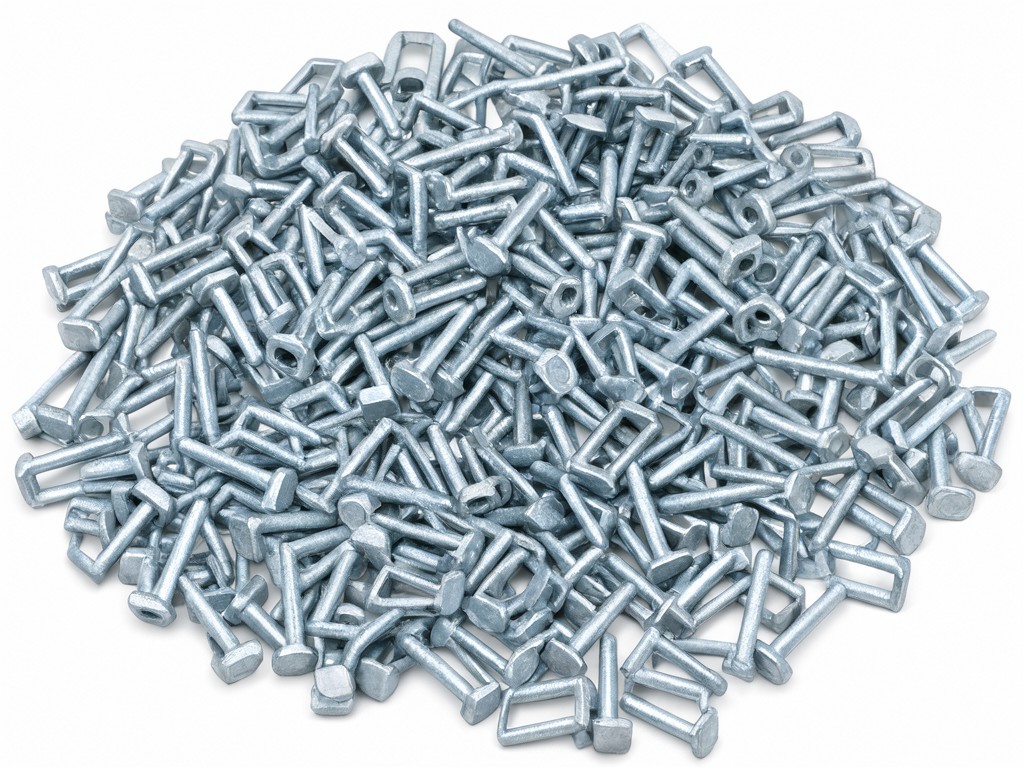
Hot-dip galvanizing is selected where the assembly faces outdoor moisture or a corrosive service environment and a zinc coating is required over the formed part. The coating can change thread fit and bearing contact. A buyer who reuses a drawing developed for an uncoated fastener should approve a coated sample with the intended nuts and mating hardware before release.
Material Options and Their Trade-offs
When a U bolt cracks at the bend or the legs spread during tightening, material choice, rod diameter and forming conditions need review together. Choosing a higher-strength steel without checking the assembly load and bend requirements can shift the failure point rather than solve it. For repeat orders, keep the approved material specification and finished-part drawing tied to the same item code.
- If the assembly needs general-purpose clamping and the design allows a standard carbon-steel option, confirm the required rod diameter and bend geometry first; this keeps the order aligned with the approved sample.
- If the design specifies greater strength, provide the material requirement and service load basis for review. The selected material must still suit the bend radius and the intended forming operation.
- If the service environment calls for hot-dip galvanizing, confirm the coating requirement and thread fit as a combined specification. Specify compatible nuts or a post-coating thread approach where the assembly requires free hand engagement.
- If stainless steel is required for the service environment, treat it as a separate material and finish specification rather than a substitute coating option; confirm the corrosion conditions and mating hardware before quoting.
Carbon steel with hot-dip zinc: a practical choice for outdoor assemblies when the buyer needs a coated formed fastener. Allow for coating buildup at the threads and bearing faces.
Stainless steel: a different material route for applications with specific corrosion requirements. It does not share the same coating or cost assumptions, so qualify the full fastener-and-nut combination.
Usage Scenarios and Buyer Segments
When a frame installer reports that a clamp will not seat squarely, the issue is often a mismatch between the U bolt’s inside dimensions and the member—not a shortage of tightening torque. OEM buyers commonly use these fasteners on equipment frames, support brackets and outdoor structures with square-section members. Their drawings should define the clamped member size, clearance and contact arrangement.
Retail buyers and importers need stable item identification across cartons and replenishment orders. A finish that varies visibly, mixed dimensions in one lot, or a thread that binds against the specified nut can generate returns even when the bolt is structurally fit for the application. Private-label packing should preserve size identification and lot traceability through the buyer’s receiving process.
Quality Control and Batch Consistency
Moving from sample orders to container loads changes the cost of small deviations. A few bolts with short thread engagement can interrupt assembly; mixed inside widths can force sorting at receiving. Set the inspection points against the approved drawing and reference sample, then apply the same checks to agreed production lots.
| Specification or check | Options and inspection method | Buyer’s reason to define it |
|---|---|---|
| Finished-part dimensions | Record rod diameter, inside width, inside height, leg length and thread length. Inspect against the agreed drawing and measurement datums. | Prevents poor seating, uneven clamping and short nut engagement. |
| Material and configuration | State the agreed steel specification, thread form, nut supply and any washer or packing requirements on the purchase documents. | Keeps approved samples, production lots and reorder descriptions aligned. |
| Hot-dip galvanized finish | Agree the coating requirement and visual acceptance criteria. Inspect coverage and check thread engagement with the specified mating nut; arrange coating measurement or corrosion testing when required by the order. | Addresses bare areas, excess buildup, blocked threads and finish differences between lots. |
| Lot and shipment identification | Confirm sampling frequency, carton marking, quantity per pack and traceability details before production release. | Makes receiving checks and investigation of a repeat complaint more direct. |
A visual finish check alone cannot establish thread fit or dimensional conformity. For a second-source approval, compare a production-intent sample with the first-source part and the assembly hardware, then record any accepted differences in writing before the bulk order.
Volume Planning and Lead Time
Fixed ship dates are easier to protect when drawing approval, coating requirements, packing details and inspection expectations are settled before the order enters production. Custom widths, heights, rod diameters or thread lengths may require separate setup and sample confirmation; standard configurations can often move through approval with fewer specification rounds. Confirm the schedule against the actual item mix and order quantity.
For a second-source qualification, start with the sizes that account for the largest share of demand. Keep a released specification for each size, identify acceptable sample deviations, and agree how cartons will be marked. These controls reduce the chance that an urgent replenishment becomes a fresh engineering approval.
For quotation review, send the dimensioned drawing, material and coating requirements, nut or accessory details, order quantities by size, target ship window and export packing instructions. Request a quotation review before locking the launch schedule.