


custom 1 8 thick fender flat washer factory - Bulk Supply and Specification Guide
Consistency is set at the forming stage: blanking and piercing control the washer’s outside diameter, inside diameter and edge condition before finishing. For a 1/8-inch washer, confirm that the drawing means 0.125 inch (3.175 mm) nominal thickness, then set inspection limits around the mating parts and intended load. That decision costs less than sorting a batch after assembly.
Where Cheaper Alternatives Fall Short
| Build choice | What changes in production | Buyer trade-off |
|---|---|---|
| Low-cost blanking with minimal edge control | Burr height and edge direction can vary; holes and outside edges may need more sorting. | Lower piece price can be offset by handling time, assembly snags or complaints about surface damage. |
| Drawing-controlled blanking and deburring | The tool and inspection plan track the specified diameters, thickness and edge condition across the lot. | A defined process may add setup cost, but makes repeat orders easier to compare and verify. |
| Generic finish instead of a specified finish | Coating type, coverage and thickness may not match the assembly environment or drawing. | The correct finish can raise unit cost; the wrong one can lead to corrosion, fit changes or premature replacement. |
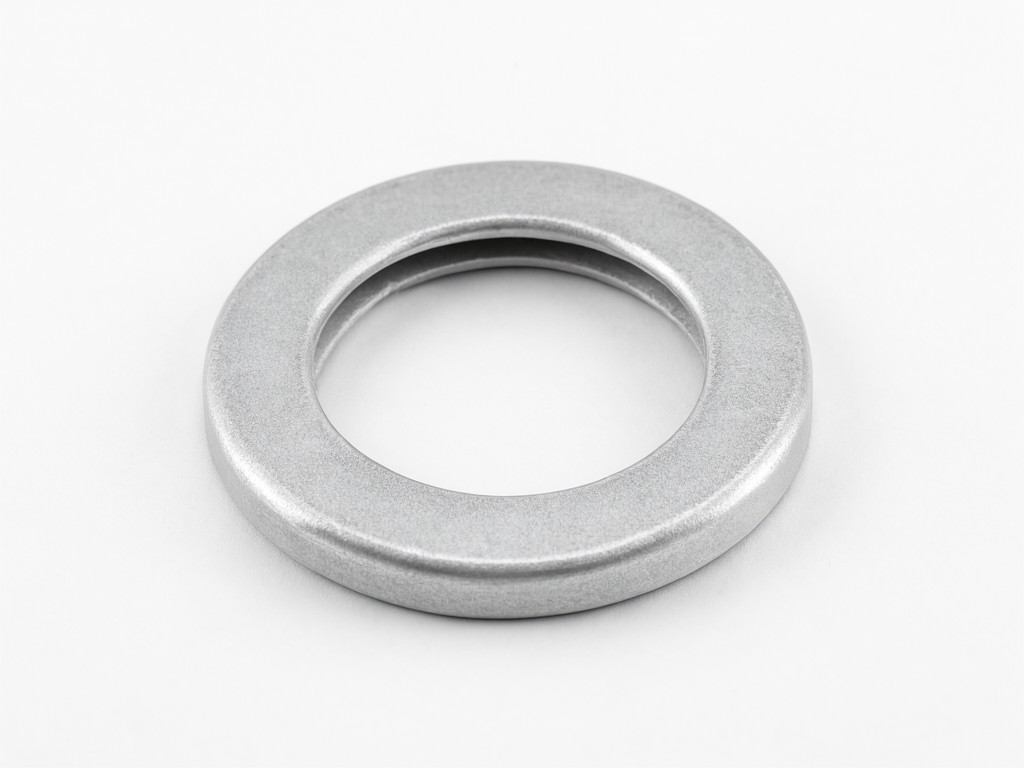
A fender washer’s wider outside diameter spreads bearing contact across a larger area than a standard flat washer of similar hole size. That benefit depends on the washer seating flat and matching the fastener and substrate; a low quote does not help if burrs, diameter drift or finish build-up interrupt the fit.
For repeat purchasing, compare landed cost with inspection time, rework and warranty exposure—not just the quoted price per piece.
Design Constraints Behind the Specification
First-article tooling determines whether the punched hole, outer profile and flat seating face agree with the assembly drawing. A larger outside diameter distributes clamp force over more area, but it also needs clearance around nearby features. Set the inside diameter for the fastener shank and define any fit allowance on the drawing rather than relying on a catalogue description.
Drawing rule: State 1/8 inch or 3.175 mm as the nominal thickness, identify the tolerance, and specify whether the finished part or the uncoated blank controls the dimension. Coating adds material to the surface and can affect hole clearance or fit.
A shop-floor inspection plan should cover thickness, inside and outside diameters, flatness where the assembly requires it, and burr condition. Calipers or gauges suit dimensional checks; first articles can also be compared with the approved drawing or sample. If the washer carries a finish, agree which finish properties require measurement and record the method before the production run.
Material Options and Their Trade-offs
Material selection affects cost, corrosion behaviour and how the washer responds to the specified load. Use the assembly environment and replacement consequences to choose the grade; the same 1/8-inch thickness does not make different metals interchangeable.
- Carbon steel is a cost-conscious choice for dry or protected assemblies. A compatible protective finish may be needed where moisture exposure is expected.
- Stainless steel suits assemblies where corrosion resistance is a purchasing requirement. Confirm the grade against the service environment and mating hardware.
- Aluminum reduces part mass, but its strength and surface behaviour differ from steel. Select it only when the joint design and loading allow for those differences.
For coated carbon steel, specify the finish and coverage required rather than using “plated” as the full description. If corrosion testing or coating-thickness measurement is part of acceptance, agree the method and sampling plan with the supplier before the order.
Where This Product Beats Standard Alternatives
A custom fender washer earns its place when a standard washer’s outside diameter does not give enough bearing area, or its hole and thickness do not suit the joint. It can support OEM equipment assemblies, repair kits and distributor stock where the mating surface, fastener or clearance calls for a defined geometry.
Standard Catalogue Washer
Choose a stock part when its dimensions, material and finish already suit the joint. It avoids custom tooling cost, but the buyer must check that catalogue tolerances and finish match the assembly needs.
Drawing-Controlled Custom Washer
Choose a custom blank when an oversized bearing face, specific hole size or repeatable finish is needed. Tooling and first-article approval add work before production; agreed controls help keep later batches aligned.
For OEM programs, the advantage is not customization by itself. It is a documented part definition that lets procurement compare each reorder against the same geometry, material and acceptance criteria.
Buying Mistakes That Lead to Returns
Returns often start with an incomplete part definition, not a dramatic failure. A drawing that leaves units, edge condition or finish open can produce a washer that is nominally similar but difficult to assemble or inconsistent with the approved sample.
- Confirm whether “1 8 thick” means 1/8 inch, and state the unit explicitly on the purchase order and drawing.
- Check outside diameter, inside diameter and thickness against the actual mating hardware and available clearance.
- Define deburring and edge expectations. Sharp or inconsistent edges can mark adjacent parts or complicate manual handling.
- Approve the material and finish together. A change in either can affect corrosion behaviour, fit and cost.
- Set acceptance checks before release. If sample approval is required, retain the approved reference and tie it to the part revision.
A small incoming inspection can catch a drifting dimension before it reaches assembly. For an OEM reorder, review the lot record and sample dimensions against the approved revision instead of assuming the previous batch defines the next one.
Working as a Production Partner, Not a Catalogue Supplier
A production partner should carry the approved drawing, material grade, finish and revision into each repeat order. OEM and private-label buyers can also agree lot identification, packaging quantity and inspection records so that a warehouse issue can be traced back to a production batch.
Before release, review a first article for critical dimensions and edge condition. During production, use an agreed sampling plan; at shipment, preserve lot identification and confirm the quantity and packing method. The inspection scope should match the risk and order requirements, rather than adding tests with no acceptance purpose.
For private-label supply, share packaging marks, carton information and any part identification needed for receiving. Artwork or brand marks should be approved before production, especially if they affect label placement or pack configuration.
Care, Storage and Service Life
Store washers in dry, clean packaging and keep dissimilar materials or finishes identified by lot. Moisture, damaged packaging and mixed inventory can undermine corrosion protection or make traceability difficult before the parts reach the assembly line.
Service life depends on the joint, load, environment and material choice. A washer does not correct an undersized bearing face, a loose fastener or a substrate that cannot carry the clamp force. Replace parts that show corrosion, deformation or edge damage when those conditions affect the specified joint; do not reuse a damaged washer to save a small unit cost.
Keep the drawing revision and lot record with stored inventory. That simple control helps maintenance teams identify the approved replacement when a repair or warranty request comes back months later.
Ordering, Tooling and Lead-Time Questions
What information is needed to quote a custom washer?
Provide a drawing or dimensioned sketch with outside diameter, inside diameter, 1/8-inch nominal thickness, tolerances, material, finish and edge requirements. Include expected order quantity, packaging needs and the application environment so the factory can assess the process and inspection scope.
Does a custom size always need new tooling?
Not always. Existing tooling may suit some dimensions, but the factory must check the profile, material thickness and required tolerances before confirming that route. New tooling can improve control for a repeat part, while adding initial setup cost.
How do MOQ and lead time change for a first order?
MOQ and schedule depend on material availability, tooling status, finish route and whether a first article needs approval. A repeat order with an unchanged drawing and retained process record usually avoids some setup steps; confirm the schedule after the drawing and sample requirements are agreed.
Can the factory supply a pre-production sample?
A sample can be requested to check fit, finish and drawing dimensions before the bulk run. Confirm whether the sample is made with production tooling and material; approve the measured part and revision before treating it as the reference for future batches.
Request a Production Sample
Send the drawing, material and finish requirements, target quantity and sample approval needs. A sample request gives both sides a chance to verify fit and inspection criteria before bulk production and repeat-order planning.
Request a sample and quote