


custom 4 inch outside diameter flat washer factory - Bulk Supply and Specification Guide
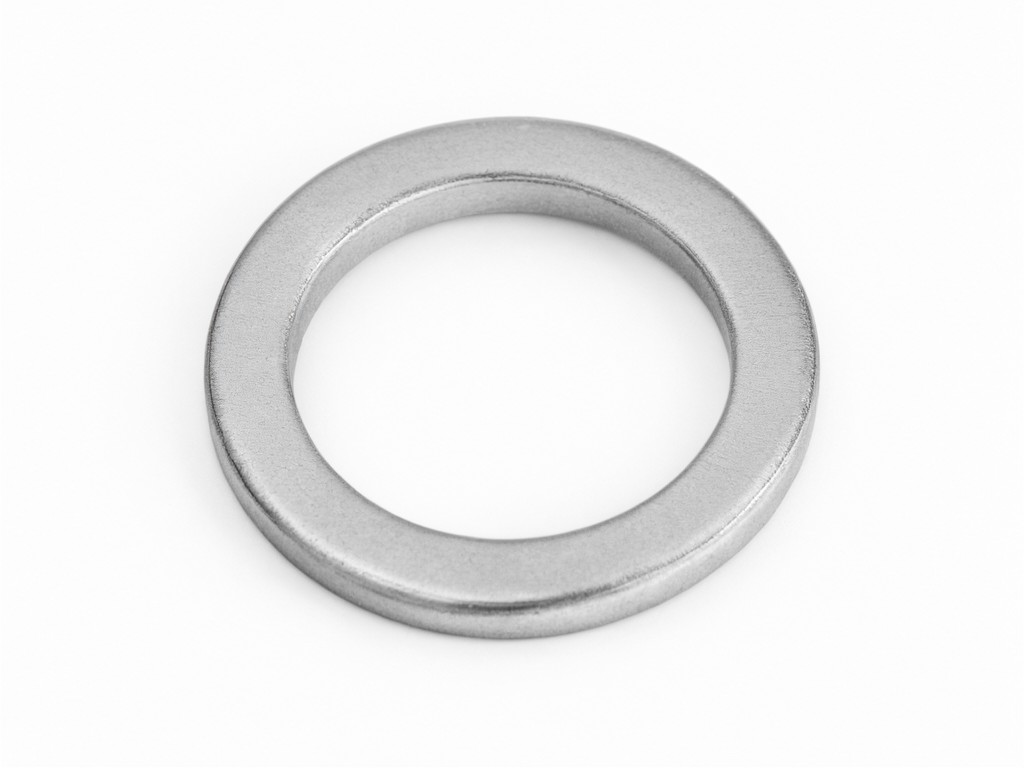
During a private-label launch with a fixed ship date, a second source has to match the washer that already fits the assembly: a nominal 4 inch (101.6 mm) outside diameter, the specified inside diameter, thickness, and bearing face. A small change in the hole or burr condition can interfere with the mating fastener; a change in finish can alter how the part holds up outdoors. That makes a controlled drawing revision and an approved sample more useful than a quote based on outside diameter alone.
For a custom flat washer, sheet-metal blanking and piercing provide a practical route to repeatable dimensions at bulk quantities. Carbon steel with a protective coating can hold down piece price, while stainless steel raises material cost in exchange for corrosion resistance suited to the exposure. The selection rule is to match material and finish to the actual service environment, then qualify the second source against the same drawing, inspection points, and batch identification used for the current supply.
What the Design Has to Balance
A wide washer spreads clamping force across a larger bearing area, but it does not set the load capacity of the joint by itself. The mating material, fastener, tightening method, washer thickness, and contact surface all affect the assembly. For a replacement part, keep the existing inside diameter and thickness unless the assembly owner has approved a change.
| Material and finish | Weather exposure fit | Cost and service trade-off | Best selection condition |
|---|---|---|---|
| Carbon steel, zinc-coated | Suitable for general outdoor exposure where the coating remains intact and the environment is not persistently corrosive. | Usually the lower material-cost route. Scratches, damaged edges, and prolonged moisture can shorten finish life and increase replacement or warranty costs. | Choose when the approved coating and expected exposure meet the service requirement. |
| 304 stainless steel | A common choice for wet outdoor conditions where carbon steel coating wear is a concern. | Higher material cost; the corrosion performance comes from the alloy rather than a plated surface. | Consider for routine weather exposure after confirming compatibility with the assembly and site conditions. |
| 316 stainless steel | Better suited than 304 to chloride exposure, such as coastal sites or locations with de-icing salts. | Higher alloy cost; the added corrosion resistance is only valuable when the service environment calls for it. | Specify when exposure history or maintenance records justify the material upgrade. |
Treat 101.6 mm as the nominal outside diameter, not a complete part definition. Set the inside diameter, thickness, flatness, edge condition, and dimensional tolerances on the released drawing; those details determine fit and unit cost.
Materials and Construction Trade-offs
A stamped washer starts as sheet stock; blanking establishes the outside profile, and piercing forms the center hole. The selected stock thickness controls the washer section, while die condition and press setup affect repeatability of the diameter, hole location, and cut edge. A secondary deburring step can reduce sharp edges, but its extent should be specified because extra handling adds cost and can change the edge profile.
Coated carbon steel often wins on initial piece price, but coating damage at the cut edge or during assembly can create corrosion complaints and early replacement. Stainless material costs more, yet may lower total cost where inspection, maintenance access, or warranty returns are expensive. Compare the cost of the finished washer in its actual use, not only the material line on the quotation.
Requirements by Buyer Segment
A brand product manager extending an existing hardware range needs the second source to preserve the approved fit and finish across repeat orders. A club or academy purchasing manager may be replacing washers on outdoor fencing, seating, or equipment storage frames, where exposure and the practicality of routine maintenance shape the material choice.
Brand and Private-Label Range
Keep the part number tied to a controlled drawing revision, material grade, finish, and sample approval. If retail or service teams rely on a consistent appearance, confirm the visible surface and permitted finish variation before the first production batch.
Club or Academy Purchasing
For maintenance stock used outdoors, select the finish for the site’s moisture and salt exposure, then keep replacement parts matched to the installed fastener and bearing surface. A washer alone does not establish a safe joint load; have the equipment owner review any change to a load-bearing connection.
Quality Control and Batch Consistency
Second-source qualification is strongest when both factories inspect the same critical features against the same revision. For large-diameter washers, a sample that looks acceptable by eye can still conceal drift in the inside diameter, thickness, or flatness. Agree which dimensions are critical to fit, how samples are identified, and how any deviation is raised before production release.
Record material and finish against the purchase specification so a later reorder can be compared with the approved batch. If the washer is coated, document the specified coating and inspection method; appearance alone does not confirm coating thickness or corrosion performance. Batch traceability supports a focused investigation when a return or warranty claim points to a particular production lot.
What Gets Checked Before Shipment
Inspection should follow the drawing and purchase requirements, with sampling frequency agreed during source approval. For a coated part or a joint with limited clearance, define acceptance before the first batch rather than relying on an informal visual check.
- Measure outside diameter, inside diameter, and thickness against the released drawing.
- Check flatness and hole-to-edge condition where the washer must sit evenly or fit a close-clearance assembly.
- Inspect for burrs, cracks, deformation, and visible coating damage that could affect fit or weather exposure.
- Verify material and finish documentation against the order; use coating-thickness or corrosion testing only when the specification calls for it.
Setup, Use and Replacement Parts
During installation, seat the washer flat against the intended bearing surface and use the fastener and tightening practice specified for the assembly. A burr, trapped debris, or uneven contact can concentrate pressure rather than distribute it. Do not use a flat washer to compensate for a damaged surface or an incorrectly sized hole.
At maintenance intervals, look for corrosion, distortion, looseness, or finish wear around the contact area. Replace parts that no longer sit flat or show damage, and reorder to the same drawing revision and material callout. If the service environment changes—for example, a site becomes exposed to salt—review the material and finish before repeating the original specification.
Questions Buyers Ask Before Ordering
Which dimensions should be fixed before requesting a quote?
Provide the nominal 4 inch outside diameter, inside diameter, thickness, tolerances, material, finish, and edge requirements. A mating fastener size helps verify the hole, but the released assembly drawing should govern the final dimensions.
Can a factory match a washer already in service?
A sample can help establish the profile and finish, but confirm measurements and material rather than treating the sample as the full specification. Approve a measured drawing and reference sample before the production run, especially if the current part has worn or corroded.
When is stainless steel worth the added unit cost?
Use site exposure and replacement history to make the decision. Stainless may cost more per washer, but can reduce coating-related maintenance or returns where weather exposure is persistent; chloride exposure may call for a different stainless grade than routine outdoor use.
What should be approved when qualifying a second source?
Approve the drawing revision, material and finish evidence, sample measurements, edge condition, and batch identification method. Record any agreed inspection limits in the purchase specification so later orders do not depend on a verbal comparison.
Request a specification review. Share the drawing, current sample details, exposure conditions, and inspection requirements to assess fit, material, and finish before approving a second source.