


custom fender flat washers for sale - Bulk Supply and Specification Guide
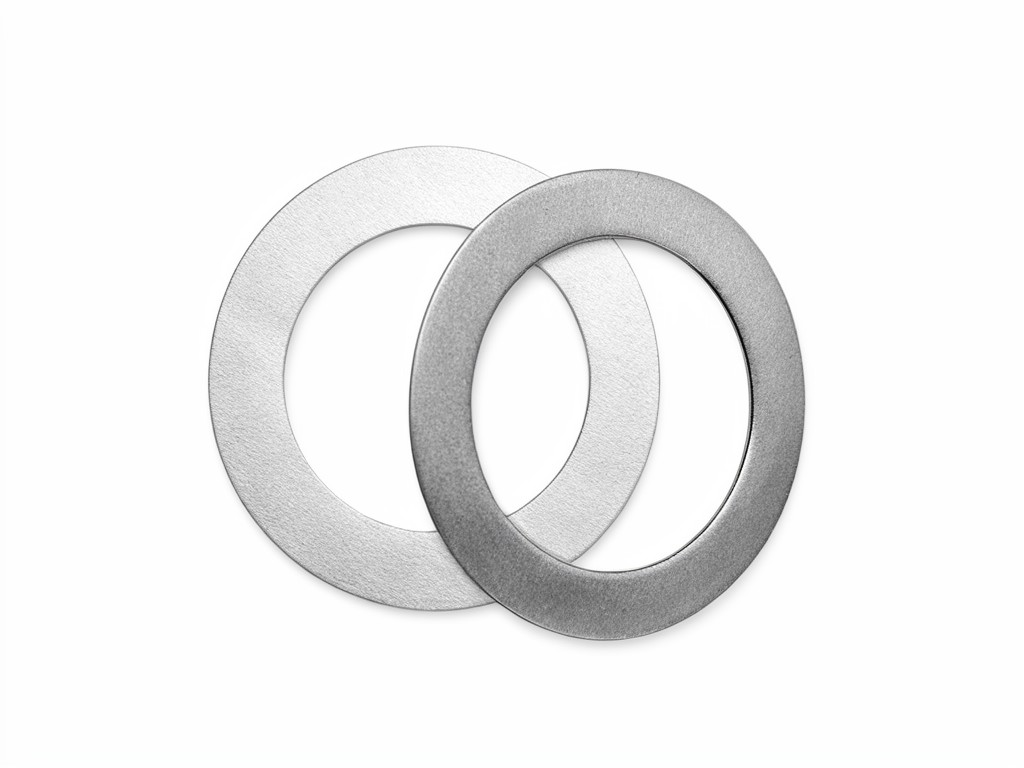
The interface between a fastener and a thin panel determines how much bearing area carries the clamp load. A custom fender washer adds a wider outside diameter around the bolt hole; the right dimensions help limit pull-through without crushing the supported material. For repeat orders, the drawing, material, stamping setup and finish need to stay aligned so a change in fit or appearance does not become a return or warranty issue.
Size, Weight and Specification Range
| Specification choice | Common construction route | What to lock for repeat orders |
|---|---|---|
| Inside diameter, outside diameter and thickness | Progressive or single-operation stamping from sheet or strip; dimensions are made to the approved drawing. | Specify tolerances for each critical dimension, plus flatness and acceptable edge condition. A larger outside diameter spreads load over more area but may not clear nearby features. |
| Carbon steel with protective finish | Stamped steel with a specified plating or coating system for the intended exposure. | Name the finish, appearance and corrosion exposure in the order specification. Finish selection affects cost and can alter fit at close clearances. |
| 304 stainless steel | Stamped stainless with a natural or specified surface finish. | Useful for general moisture exposure; state whether appearance, burr direction or surface condition has a cosmetic limit. |
| 316 stainless steel | Stamped stainless for more demanding outdoor or corrosive service conditions. | Material cost is higher than 304; confirm the exposure justifies the grade rather than selecting it by name alone. |
| Part weight and finish colour | Weight follows dimensions, material density and finish; colour depends on the selected surface treatment. | Approve a reference sample and define acceptable lot variation for weight and appearance where these affect assembly or retail presentation. |
Washer weight is not a separate design input from geometry: small shifts in thickness or outside diameter change the mass per piece and the bearing footprint. Set dimensional tolerances on the drawing first, then use weight checks as a practical signal for drift across production lots. No universal load rating applies to a washer by itself; performance depends on the fastener, panel material, support and installation torque.
Assumptions Buyers Should Stop Making
A washer that fits the bolt is not automatically a fit for the assembly. Hole clearance, panel thickness, edge distance and the space around the fastener all affect whether the washer sits flat and spreads the clamp load as intended.
- Do not assume the same nominal inside diameter guarantees the same clearance. State the required diameter and tolerance, then verify the sample with the actual bolt or screw.
- A wider washer does not solve every pull-through problem. Thin or soft panels can still deform if the clamp load exceeds the substrate's limit.
- A finish name alone does not set weather performance. Identify the environment, including outdoor moisture or corrosive exposure, and agree on appearance expectations for the selected finish.
- Do not treat a signed sample as a substitute for a controlled drawing. If dimensions, material or finish change after approval, the next lot may differ in fit, piece weight or colour.
For serviceable assemblies, confirm whether the washer must be removed and reused during maintenance. A finish that wears at the contact face or a burr that catches on the panel can complicate removal and replacement.
Usage Scenarios and Buyer Segments
Application fit depends on what the washer bears against, how often the assembly is serviced and what weather reaches the joint. Importers and brand product managers can use those conditions to set a material and finish that balance purchase cost against field returns.
Thin-Panel Assemblies
Equipment and enclosure buyers may specify a broad bearing face to reduce local pressure around a bolt hole. Check the outside diameter against adjacent flanges and confirm the panel can tolerate the intended clamp load.
Outdoor and Serviceable Joints
For assemblies exposed to rain or repeated maintenance, buyers should specify the corrosion environment and acceptable finish condition. Stainless grades can raise unit cost, while a suitable coated carbon-steel option may meet less demanding exposure at a lower price.
Private-label and import programs also benefit from a controlled sample and a fixed revision level. A change in washer thickness can alter joint stack height; a colour shift between finished lots can prompt sorting or replacement even when the part still assembles.
How Consistency Is Held Across Batches
Consistency depends on holding the same material specification, die condition and finish requirement from one production lot to the next. A worn punch can shift the inside diameter or leave a rougher edge; variation in incoming sheet thickness can change both washer thickness and piece weight. These shifts may escape a basic bolt-fit check but appear later as inconsistent seating, assembly complaints or excess returns.
Factory checks can include incoming material verification, dimensional sampling for inside and outside diameter, thickness and flatness, plus burr and visual checks after stamping. Finished parts can be weighed by sample to flag geometry drift, while coated parts can be checked for finish coverage and appearance against the approved reference. The inspection plan should identify the drawing revision, sampling frequency and acceptance limits before the repeat order enters production.
Ask for a pre-production sample when the washer mates with a specific panel or fastener. Approve dimensions, edge condition and finish together; approval of appearance alone will not protect assembly fit across later lots.
Questions Buyers Ask Before Ordering
Which dimensions should the drawing control?
List inside diameter, outside diameter and thickness with tolerances. Add flatness, burr limits or edge requirements if they affect panel contact, assembly or handling. A sample assembled with the intended fastener helps confirm practical clearance.
Can the factory match a previous lot's weight and finish?
Repeatability is strongest when the approved drawing, material grade, finish specification and reference sample are available. Piece weight can serve as a process check, but it cannot replace dimensional inspection. Colour and surface appearance should have agreed acceptance limits if they matter to the product presentation.
What changes the MOQ and lead time?
The part geometry, need for a new stamping die, material availability and finish batch affect both. A repeat order using existing tooling and an established specification is typically simpler to plan than a new profile or special finish. Confirm quantities and sample timing with the drawing so the quote reflects the actual setup.
Request a production sample against your drawing before confirming a repeat program. Share the mating fastener, panel material, exposure conditions and finish target so the sample review covers the issues that drive field claims. Request a sample and discuss your custom fender washer specification.