


Custom lock washer clip supplier: What Buyers Should Check Before Ordering
For importers working to a launch date, the quoted unit price is only part of the cost. Tooling, sample approval, dimensional consistency and the cost of replacements all affect the landed order. A custom lock washer clip supplier should confirm the drawing, material, finish and production route before the order schedule is fixed.
Where Cheaper Alternatives Fall Short
Replacement rate, not unit price, sets the real cost when clips arrive with inconsistent spring force, rough edges or dimensions that interfere with the mating fastener. Those defects can lead to sorting, assembly delays and customer returns after a low-priced order has already shipped.
Tooling amortisation decides how much of the first order is spent on the die. A larger repeat volume can spread that cost across more pieces, while a short run may suit a simpler tool if its dimensional control meets the assembly requirement. Ask for tooling cost and production-piece cost as separate quote lines.
Low-cost stamping can also leave burrs at the clip edge or variation in the formed leg. Either condition can affect fit and retention. The buyer should agree on the critical dimensions and inspection points before approving samples, rather than comparing quotes on piece price alone.
How It Performs in Use
Retention depends on formed geometry
The clip’s spring section deflects during assembly and presses back against the mating part. Leg height, opening width and material thickness determine the fit; a change to any of these can alter insertion force or retention.
Assembly conditions set the target
A clip installed by hand may need a different entry profile from one fitted on a production line. Share the mating-part dimensions and assembly method so the sample reflects actual use, not only the nominal drawing.
If the clip sees repeated removal, vibration or contact with a corrosive environment, define those conditions before material and finish selection. A clip designed only around initial fit may lose retention after repeated deflection or show surface damage in service.
Material Options and Their Trade-offs
Carbon spring steel
A practical choice when spring response and piece cost lead the specification. The grade and heat-treatment route must match the required deflection. Add a corrosion-protection finish when storage or service conditions expose the part to moisture.
Stainless spring material
Stainless options suit assemblies where corrosion exposure makes a coated carbon-steel part unsuitable. Material cost and forming behaviour differ by grade, so confirm spring requirements and finish expectations against the intended environment.
Progressive-die stamping can combine repeatable blanking and forming for production quantities. The selected steel, strip thickness and forming sequence affect tool wear and setup time. A coating or heat-treatment step adds cost and schedule coordination, so include both in the approved sample specification.
Measured Performance in Real Use
| Check | Basic confirmation | Production control to agree |
|---|---|---|
| Critical dimensions | Check sample dimensions against the approved drawing. | Identify the fit-critical dimensions and set inspection frequency and acceptance limits before production. |
| Spring response and retention | Fit a sample to the mating part and review insertion and holding behaviour. | Use an agreed force or assembly check where retention has a defined service requirement. |
| Edges and finish | Review for burrs, coating coverage and visible damage. | Specify any coating checks or corrosion exposure test required for the buyer’s service conditions. |
Test limits should come from the assembly and service requirement. A generic pull or cycle check may not represent how the clip is loaded in the finished product. Keep the approved sample, drawing revision and inspection record tied to the same part number.
Size, Weight and Specification Range
Sheet thickness
Custom parts commonly use 0.3–2.0 mm stock, subject to geometry, material and forming feasibility.
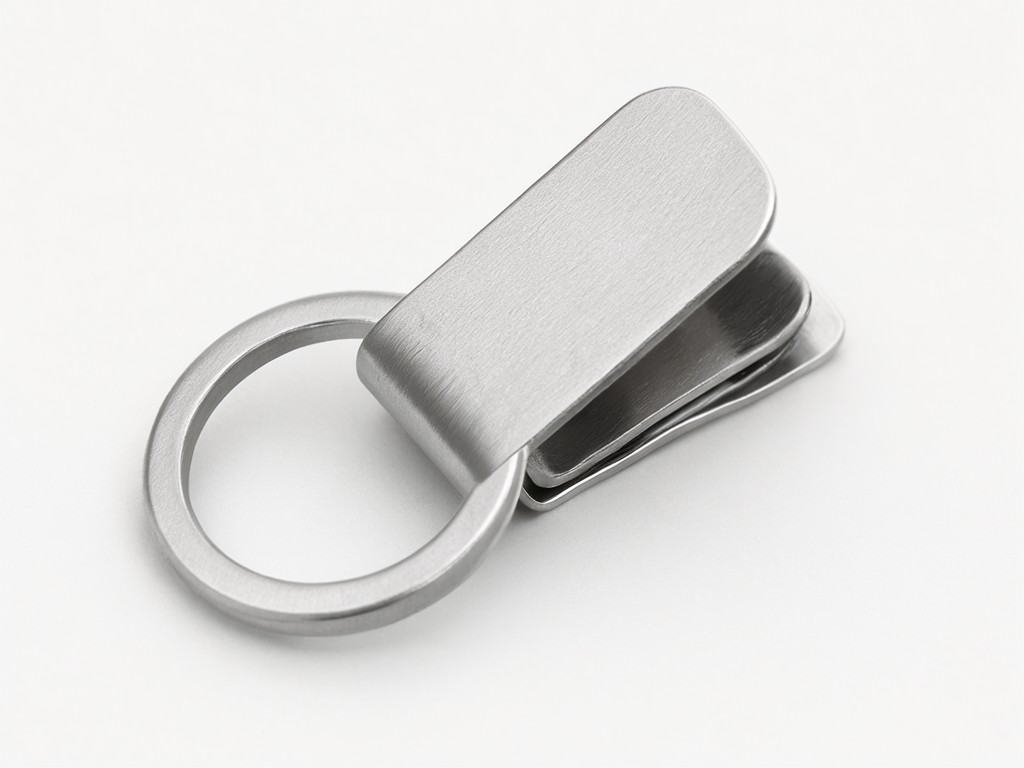
Overall dimensions
Set opening, leg height and outside profile from the mating assembly drawing.
Piece weight
Estimate from the released geometry and material; confirm by sample weighing when carton weight matters.
Tolerance depends on the feature, material thickness and tool design. Mark functional dimensions separately from non-critical edges on the drawing. A compact clip may use little material per piece, but small changes in strip width or nesting can affect material yield across a large run.
How to Choose Before Requesting a Quote
- Send a dimensioned drawing with material, finish and revision level. Include a sample or mating-part details if the clip profile is not fully defined.
- State the expected order quantity, annual demand and launch date. Tooling amortisation and production scheduling depend on both the opening lot and likely repeat volume.
- Identify the assembly method, required retention behaviour and exposure to moisture, chemicals or repeated removal.
- Ask the supplier to separate sample, tooling, production and finishing costs. Confirm which sample approval point releases the production schedule.
- Agree on inspection records, batch identification and packaging before the purchase order is placed.
A complete RFQ helps the factory assess the die route before quoting. If the design is still under review, request a sample plan and tooling proposal as separate decisions; that keeps engineering approval from holding up commercial comparison.
Usage Scenarios and Buyer Segments
Importers supplying assembly plants
A production buyer needs lot-to-lot fit and clear revision control. Confirm the approved sample and pack quantities before the factory schedules the first export shipment.
Wholesale hardware distributors
Stocking buyers may prioritize repeatable dimensions, traceable batches and packaging suited to warehouse handling. Standard pack sizes can simplify replenishment when order quantities vary by customer.
Product teams with a custom assembly
Teams introducing a new clip profile should allow time for sample fit checks and any die adjustment before the launch quantity is booked. A released drawing reduces the chance of repeat orders using an outdated fit.
Keeping Repeat Orders Supplied
| Packaging point | Options to confirm | Why it matters |
|---|---|---|
| Inner pack quantity | Bulk bag, counted inner pack or buyer-specified quantity. | Supports warehouse picking and downstream order control. |
| Identification | Part number, drawing revision, lot code and carton label details. | Helps distinguish approved stock from earlier revisions. |
| Export protection | Carton strength, moisture protection and pallet configuration based on route and handling. | Limits transit damage and avoids repacking delays at receipt. |
Repeat supply depends on more than reserved capacity. Keep the drawing revision, approved sample, packaging instruction and inspection plan aligned with the purchase order. When demand is seasonal, share the forecast early so raw material and stamping slots can be reviewed against the requested ship date.
Request a sample review before committing the launch quantity. Send the drawing, target volume, finish and required ship window so the supplier can assess the tooling route and sample schedule.