


custom oblong rectangular flat washers factory: What Buyers Should Check Before Ordering
Deflection under load governs whether an oblong rectangular flat washer spreads clamp force across enough of the mating surface. For a second source, start with the drawing and the installed joint—not a nominal washer size pulled from an old purchase order.
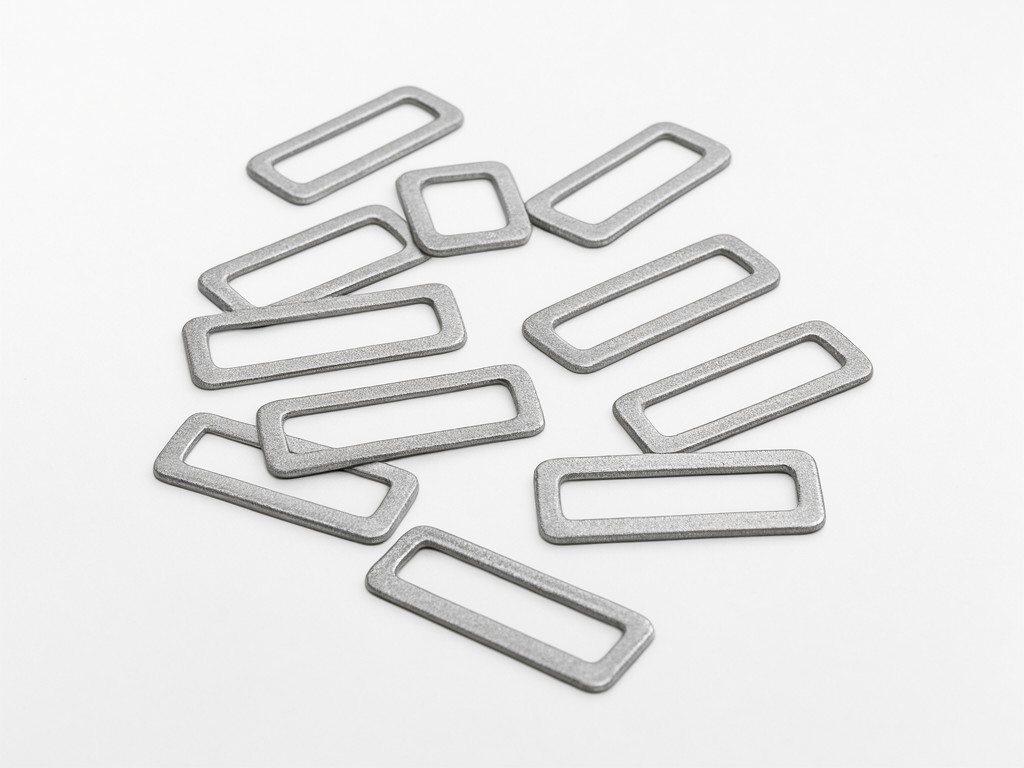
A stamped washer can differ in outside profile, aperture shape, thickness, corner radius, and burr condition. Those details affect seating and serviceability, especially where a slot needs adjustment or the assembly sees moisture. Agree on the controlling dimensions, material, finish, and sample approval route before releasing production tooling.
What the Design Has to Balance
The interface between parts determines whether the washer supports the fastener without bridging an edge, covering a slot inadequately, or interfering with nearby hardware. Longer bearing length can spread load across a larger area, but it also needs enough clearance around the installed joint.
Specify overall length and width, thickness, aperture length and width, end radius, and the datum used to locate the aperture. State whether “oblong” describes the outside profile, the hole, or both. For stamped parts, the agreed drawing should also identify the permitted burr direction and any edge condition that could prevent flat seating.
Set tolerances by function. Tight control on every dimension can raise tooling and inspection costs without improving the joint. Identify which dimensions control fit, load coverage, and fastener clearance, then agree tolerances for those features against the assembly drawing.
Comparing Two Standard Configurations
Material and finish choices affect purchase cost, corrosion exposure, and the appearance of the washer after installation. Use the service environment to narrow the options, then approve the exact material grade and finish callout on the production drawing.
| Service condition | Complaint or failure to avoid | Construction to specify |
|---|---|---|
| Indoor or sheltered assemblies with limited moisture exposure | Rust at exposed edges or finish wear that changes the installed appearance | Stamped carbon steel with an agreed zinc finish. Confirm finish coverage, colour, and whether finishing takes place after stamping. |
| Outdoor or damp service; chloride exposure may apply in coastal locations | Corrosion that marks the joint or reduces serviceability | Stamped stainless steel. Select the grade for the exposure; 316 stainless may suit chloride-prone conditions better than 304, at higher material cost. Stainless is not immune to corrosion in every environment. |
A change from zinc-finished carbon steel to stainless steel is not a like-for-like substitution. The material affects cost and corrosion behaviour, while thickness and aperture geometry remain key to fit and load coverage. Approve a production-intent sample against the assembly before transferring the order.
Assumptions Buyers Should Stop Making
A matching outside length does not prove that two washers will fit the same joint. Aperture clearance, thickness, corner shape, and burr direction can each affect installation or bearing contact. A second-source quote is only comparable when both factories price the same drawing revision, material, finish, and tolerance scheme.
Do not assume an existing sample captures every drawing requirement. Samples can help confirm fit and appearance, but the approved drawing must remain the controlled reference for repeat orders. Record revisions and sample approval in the order file so a later tooling change does not quietly alter the interface.
- A “standard” thickness or hole size is not a substitute for the dimensions on the assembly drawing.
- A finish name alone may leave coating coverage, colour, and process sequence open to interpretation.
- A low tooling quote may exclude revisions, sample pieces, or a second approval round; confirm those terms before the purchase order.
Customisation Options and Their Limits
Progressive stamping suits repeat orders where a fixed drawing and planned volume can support dedicated tooling. Tooling cost and lead time depend on the part geometry, strip layout, material, and production quantity. A design change to the aperture or outside profile may require a die revision, so resolve fit questions before approving the tool.
Provide a dimensioned drawing with material grade, finish, revision, and any required identification or packing details. If a sample is the starting point, mark the dimensions that must be measured and return a signed drawing for approval before production.
- Profile, aperture, thickness, corner radii, and edge condition can be tailored to the joint, subject to stamping and tooling feasibility.
- Material and finish can be selected for cost and exposure, but a finish change may affect dimensions, appearance, and corrosion performance.
- Brand marks or part identification require artwork or marking details at the drawing stage; placement must not interfere with the bearing face or fit.
Questions Buyers Ask Before Ordering
What drawing information is needed for a quote?
Send the overall profile, thickness, aperture dimensions and position, material grade, finish, tolerances, and drawing revision. Note the assembly clearance or bearing area that controls fit if those requirements are not clear from the drawing.
Can an existing sample replace a controlled drawing?
Use a sample to check fit and appearance, then confirm measured dimensions and requirements on a signed drawing. The drawing revision should identify the approved sample and define which features are critical for repeat production.
How do tooling and order quantity affect the second-source decision?
Stamped parts need tooling matched to the approved geometry. Ask for tooling charges, expected sample timing, production lead time, and any minimum quantity tied to material purchasing or production setup. Compare landed cost across the planned order volume, not only the per-piece quote.
What should be agreed for export packing?
Set the pack quantity, inner and outer packaging, part identification, and any moisture protection required for the route and storage conditions. Confirm labels and carton details before the first production shipment so receiving teams can distinguish revisions and batches.
Request a Specification Review
Share the current drawing, annual volume, service environment, and sample status to review second-source fit, stamping assumptions, and approval steps before ordering.