


custom washers for lag screws suppliers: Specification, Ordering and Quality Notes
A washer that matches the lag screw on paper can still fail at the joint if its inside diameter, outside diameter, thickness or finish does not suit the assembly. For distributors and private-label buyers, the specification should be agreed against the screw, substrate and service environment before production starts.
What Actually Determines Performance
| Specification point | Effect at the joint | What to confirm before approval |
|---|---|---|
| Inside diameter and screw shank | Insufficient clearance can obstruct assembly; excessive clearance can shift the washer off centre. | Shank diameter, thread transition and required assembly clearance. |
| Outside diameter and thickness | These dimensions set the bearing area and influence how the load spreads across the material beneath the screw head. | Washer profile, substrate type, head coverage and any space limits in the assembly. |
| Material and edge condition | Material affects deformation and corrosion behaviour; burrs can interfere with seating or damage a coating. | Base metal, deburring requirement, finish and service exposure. |
The interface between parts determines whether the washer seats flat and distributes pressure as intended. A stamped washer is made from sheet or coil stock; the blanking operation sets its profile, while the die and material condition affect edge quality and dimensional repeatability.
For a repeat order, approve the drawing against a physical sample and the lag screw it must fit. Record tolerances for the inside diameter, outside diameter and thickness, then state whether those dimensions apply before or after coating. That agreement prevents a finish build-up from changing screw clearance or fit.
Specify the measurement condition as well as the nominal size. If coated dimensions control assembly, inspect the washer after finishing rather than relying only on the uncoated stamping dimensions.
Buying Mistakes That Lead to Returns
Returns often begin with a drawing that names a washer size but leaves the mating screw or service conditions unclear. A sample may fit one screw lot and bind on another if shank dimensions vary, or a broad washer may interfere with a nearby component.
- Confirm the screw shank and head dimensions rather than ordering by trade name alone.
- Do not treat a larger outside diameter as an automatic improvement; it must clear surrounding parts and suit the substrate.
- State the required flatness and burr condition if the washer must seat flush or sit against a finished surface.
- Name the expected weather exposure before selecting a coating. A finish suited to dry indoor storage may not suit repeated outdoor wetting.
- Approve packaging and labelling artwork separately from the part sample; correct hardware can still be held at receiving if the pack identity is wrong.
A signed drawing, an approved sample and a defined inspection plan give both parties a clear basis for repeat production. Changes to material, finish or tolerance should trigger a new review before the next batch is released.
What Can Be Customised and What Cannot
Custom work can match a private-label drawing without changing the buyer’s lag screw design. A stamped profile can be adjusted for specified diameters, thickness, material and finish, subject to die access, material availability and the limits of the chosen process.
| Finish option | Typical appearance | Specification point |
|---|---|---|
| Zinc plated | Clear or blue-silver, depending on the agreed conversion finish. | Define coating type, appearance, corrosion exposure and whether final dimensions include the coating. |
| Hot-dip galvanized | Typically a thicker, less uniform zinc surface than electroplating. | Allow for coating thickness and possible impact on hole clearance, seating and appearance. |
| Stainless steel, passivated or supplied with a specified surface | Metallic surface; the appearance depends on the stock and finishing route. | Identify the material grade and surface condition. Do not assume stainless steel is interchangeable with coated carbon steel. |
| Plain or oiled carbon steel | Uncoated metal, with oil residue where specified for handling or temporary protection. | Set storage, rust-prevention and end-use requirements; this option is not a substitute for an outdoor corrosion finish. |
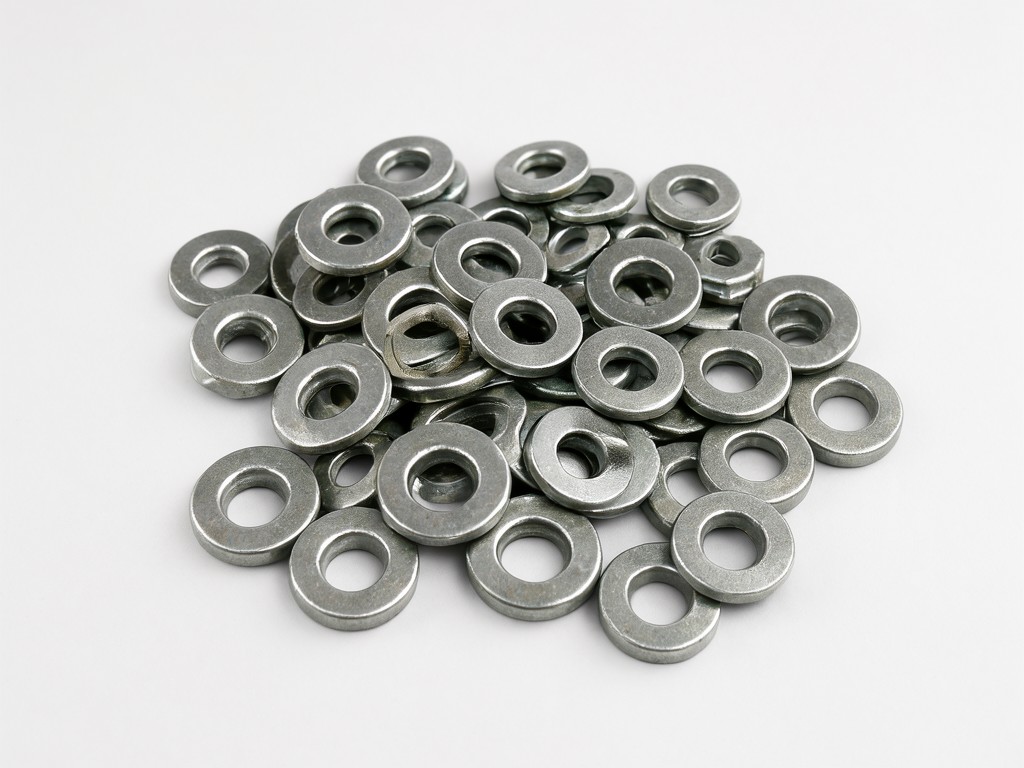
Colour and coating appearance are controlled by the selected finish, not by the stamping die. Share a reference sample or approved finish description if the product must match an existing private-label line.
Existing Die or Tooling
An existing die can reduce setup cost and shorten preparation when its profile matches the approved drawing. Confirm the tool condition and measurement capability before treating it as a direct match.
New or Modified Tooling
New tooling costs more at the start but can preserve a buyer’s specified outline or hole relationship. The quote should identify tooling ownership, sample approval steps and how any later drawing revision will be handled.
The process cannot remove trade-offs set by the material and finish. A thick coating may affect fit; a thin blank may not hold the requested flatness; and a stainless grade may change unit cost and forming behaviour. Set those limits during drawing review, not after a production run.
Segment-Specific Requirements
Distributor programmes often need one approved part across several pack quantities. Buyers should keep the part drawing fixed while defining pack count, bag or carton format, barcode data and label language as separate order controls.
Private-label buyers usually need closer control of identity and repeatability. Artwork should be supplied in an approved file format, with the product name, part reference and pack information checked against the final sample label before bulk packing.
For hardware specified for outdoor structures or exposed maintenance work, weather resistance and serviceability shape the finish choice. A buyer who expects field replacement should also confirm that the washer remains compatible with the specified screw and available tools, rather than relying on a look-alike size.
Working as a Production Partner, Not a Catalogue Supplier
Consistency depends on an agreed specification that connects the drawing, sample, inspection method and packing instructions. A catalogue dimension is a starting point; it does not confirm screw clearance, coating allowance or a buyer’s private-label requirements.
A practical approval sequence begins with the buyer’s drawing or marked-up sample. The factory reviews manufacturability, calls out unresolved tolerances, and confirms material, finish and quantity assumptions for quotation. A pre-production sample then gives both sides a physical reference before the approved specification moves to bulk stamping and finishing.
For reorder control, keep the approved revision, finish description and pack artwork linked to the purchase reference. If the screw, substrate, finish or label changes, review the affected approval points rather than carrying forward an outdated sample by default.
Inspection Items and Test Methods
Balance and load analysis shows why a visual check alone is not enough: a washer can look acceptable yet sit off-centre, fail to clear the shank or show a burr at the bearing face. Inspection limits should follow the approved drawing and the risk of the buyer’s assembly.
- Measure inside diameter, outside diameter and thickness against the approved tolerances.
- Check flatness, profile, burrs and edge condition at the locations defined in the inspection plan.
- Inspect coating coverage and appearance; use coating-thickness checks where the finish specification calls for them.
- Fit samples to the designated lag screw or a buyer-approved gauge when clearance and seating are critical.
- Use a corrosion test only when the buyer and supplier have agreed the method, duration and acceptance criteria. A test result does not replace a service-condition review.
Pre-production approval should define which checks apply to every lot and which apply at sample or process-review stage. Retain the inspection record with the part revision and finish batch so a receiving concern can be traced to the correct production run.
Care, Storage and Service Life
Keep finished washers dry and protected from condensation, standing water and contact with materials that can damage the coating. Use clean, closed packaging for storage and transit; torn cartons or open bags can expose parts to moisture and handling marks.
Service life depends on the base metal, finish, installation conditions and weather exposure. Inspect installed hardware if coating damage, rust staining, loosening or substrate compression appears. Replace washers that are bent, deeply corroded or no longer seat flat; reusing a distorted washer can change the bearing contact at the joint.
For stock rotation, preserve lot identity and avoid mixing approved finishes in one bin. That simple control helps maintenance teams select matching replacement parts and gives distributors a traceable basis for reorder discussions.
Questions Buyers Ask Before Ordering
What information is needed to confirm a washer matches our lag screw?
Provide the screw shank and head dimensions, washer drawing or sample, substrate details and any clearance limits. If the washer must fit an existing screw supply, include a representative screw sample for fit review.
Can a sample be approved before custom tooling is ordered?
A sample made with available tooling or a prototype route may help confirm fit and appearance. If the final profile requires a new stamping die, approve the production-intent sample and the drawing revision before authorising the bulk run.
What affects the minimum order and lead time?
Tooling status, material sourcing, finish route, order quantity and packaging requirements all affect the quotation schedule. Confirm these details together so a low part price is not offset by a separate setup or packing cost.
Can our private-label artwork and pack format be used?
Yes, subject to artwork review and packaging feasibility. Provide the approved label file, pack quantity, barcode details and carton requirements early enough for a label proof and packed sample to be checked before bulk release.
To request a sample, send the drawing or marked-up dimensions, mating lag screw details, material and finish preference, target quantity, and private-label packing requirements. The review can then identify open tolerances and approval steps before production is quoted.