


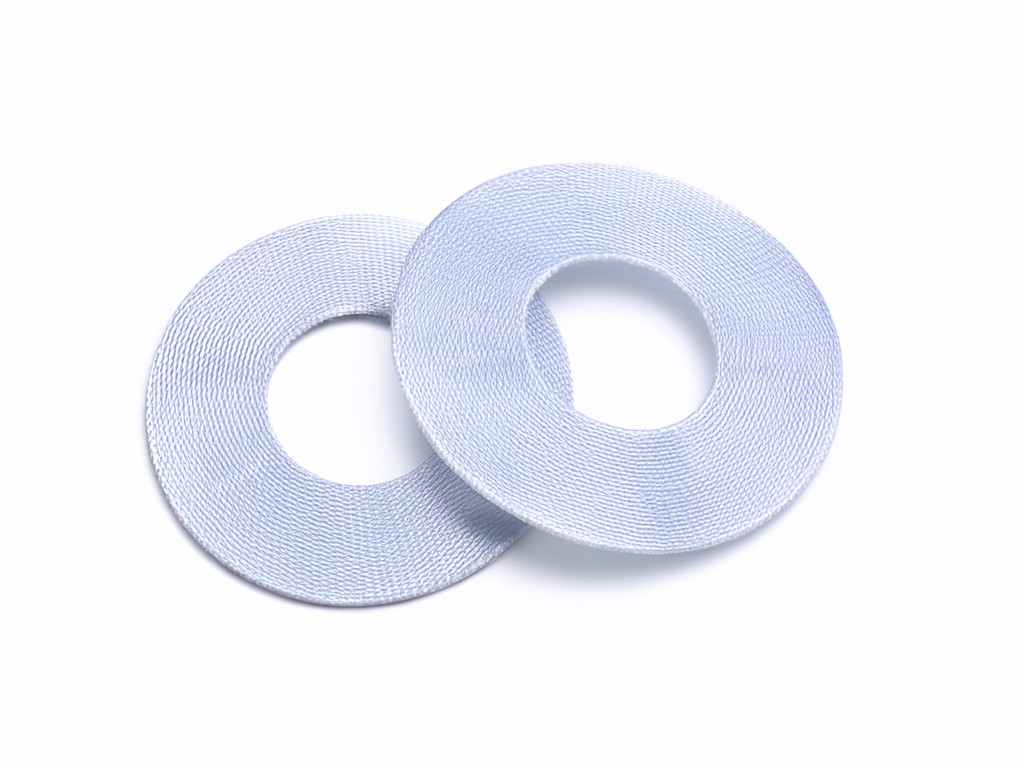
Specifying Durable 3 8 inch nylon flat washers Suppliers for Wholesale and OEM Orders
Repeat loading drives the failure. A nylon flat washer can creep under sustained clamp force, shift under vibration, or crack at a sharp edge if its dimensions and material do not match the joint. For private-label, distributor, and OEM orders, agreeing the drawing and approval sample before production is the practical way to reduce returns on repeat orders.
Nominal Size
3/8 inch identifies the intended fastener size; it does not, by itself, fix the washer ID, OD, or thickness.
Likely Construction
Punched nylon sheet suits flat washer profiles where the buyer approves the edge condition and dimensional limits.
Approval Basis
Freeze the drawing, resin grade, colour, sampling method, and packaging before the purchase order enters production.
Assumptions Buyers Should Stop Making
The limiting factor is rarely the headline specification. “3/8 inch” may refer to the fastener size, while the washer’s actual inside diameter depends on the drawing or the selected dimensional convention. OD and thickness also need explicit targets. If a buyer supplies only a nominal size, two suppliers can deliver parts that both match the description but behave differently in the same joint.
Nylon is not one interchangeable material. PA6 and PA66 grades can differ in moisture response, stiffness, and behaviour under sustained compression. A washer stored in a humid warehouse may measure or weigh differently from a dry sample, so the comparison condition matters. Agree whether the application needs electrical separation, surface protection, or simply a low-cost spacer; a washer selected for one purpose may not suit the others.
- Do not treat “nylon” as a complete resin specification. Name the grade or approve a supplier sample against the intended use.
- Avoid accepting a sample without checking fit on the actual fastener and mating surfaces.
- Do not leave burrs, edge condition, colour, or dimensional tolerances to verbal agreement.
- Keep the approved drawing revision and sample reference attached to repeat-order documents.
Specification rule: confirm ID, OD, thickness, resin grade, and edge acceptance in one controlled drawing. If the application relies on a clamp load or temperature limit, provide those conditions for material review rather than assuming a generic nylon washer will cover them.
Inspection Items and Test Methods
Fatigue appears at the stress concentration. A punched edge with a notch or a washer that sits unevenly can concentrate load near the bore; repeated compression may then produce a crack or permanent set. Incoming inspection should check the features that control fit and contact, not just count pieces or compare colour.
Set the acceptance limits before sampling. Use pin or plug gauges for the bore, suitable callipers or optical measurement for OD, and a thickness gauge across several points to detect variation. Check flatness and punched-edge condition under consistent lighting. Weight checks can help identify a material or thickness shift across lots, but weight alone cannot confirm resin identity or dimensional conformity.
| Item | Agreed Specification Basis | Practical Inspection |
|---|---|---|
| Nominal size and bore | 3/8-inch fastener application; actual ID and tolerance from approved drawing | Pin or plug gauge, with fit confirmation on the specified fastener |
| Outside diameter and thickness | Drawing dimensions and agreed tolerances; no fixed values inferred from nominal size | Calliper or optical check for OD; thickness readings at multiple points |
| Material | Approved PA6 or PA66 grade, colour, and any required resin documentation | Supplier lot records and visual comparison with the approved sample |
| Weight, flatness, and edge | Reference sample or buyer-defined limits under an agreed conditioning and measurement procedure | Lot weight comparison, flatness check, and visual inspection for burrs, cracks, or notches |
For a repeat-load application, bench testing should reproduce the assembly’s contact surfaces, compression, and service conditions. A simple fit check does not establish creep life. Approve any load or ageing test method with the buyer first, then retain the method and result with the sample record so later lots have a comparable reference.
Capacity, Tooling and Scheduling
Punched sheet is a practical route for flat washer profiles. Existing tooling may shorten setup, but a close match is not a substitute for a drawing review: bore, OD, thickness, resin, and required edge finish still need confirmation. New tooling or a changed profile adds approval time before a production slot can be committed.
A useful approval sequence is drawing review, material confirmation, sample production, dimensional report, and written sample sign-off. Artwork applies only when the buyer requests a label or retail pack; approve its file, placement, and language separately from the part sample. Schedule starts after the critical inputs are frozen, not when an incomplete inquiry first arrives.
| Order Stage | MOQ or Lead-Time Driver | Buyer Input Needed |
|---|---|---|
| Drawing and quote review | Profile complexity, material availability, and whether existing tooling matches | Dimensioned drawing, quantity forecast, resin preference, and destination |
| Sample and approval | Tooling changes, sample quantity, test scope, and approval turnaround | Tolerance acceptance, fit conditions, inspection plan, and signed sample disposition |
| Production and repeat order | Order volume, material lot, packing configuration, and confirmed capacity | Purchase order against the approved revision, delivery window, and label requirements |
MOQ and timing should be quoted against the actual profile and order plan. A dedicated tool can make repeat dimensions easier to control, but its cost and setup need to be weighed against the buyer’s annual demand and the cost of mixed or inconsistent parts.
Stock Availability and Reorder Planning
Stocked sheet grades and standard colours can help with replenishment, but stock does not guarantee a matching finished washer. A change in resin grade, sheet thickness, or punch condition can alter the part’s fit. Ask the supplier to identify what is held as raw material and what is held as finished inventory.
For repeat orders, retain the approved drawing revision, resin description, sample reference, and inspection limits together. Forecasting against a call-off schedule can reduce urgent freight and protect unit cost, especially when a particular grade or colour is not routinely stocked. Set an agreed process for any material substitution; do not allow a substitute to enter an order without buyer approval.
Packing, Marking and Freight Configuration
Loose bulk packing usually keeps unit cost down for assembly buyers, while counted inner bags make warehouse picking and distributor resale easier. Choose the pack quantity and carton layout around the buyer’s receiving process. Small washers can scatter between packs or collect dust if bags tear, so seal integrity and carton handling matter during export transit.
Agree carton labels before shipment: part number, drawing revision if required, resin or colour identifier, quantity, and lot reference. Private-label artwork should be approved as a separate file before printing; a label change should not silently alter the part identification used for traceability. Confirm carton dimensions and gross weight against the freight plan rather than estimating from piece count alone.
Specification Review Before Quote
Send the part drawing, annual volume or release schedule, application conditions, material preference, sample requirements, and packing or label details for review. A supplier can then confirm what is standard, what needs tooling, and which inspection points belong in the purchase specification. Contact the team through the specification review form to align those details before production approval.