


durable high temperature flat washers factory in china: Specification, Ordering and Quality Notes
Scope of Supply and Physical Form
Repeat loading drives the failure when a washer takes a permanent set, loses flatness or oxidises at the joint. A washer may also be blamed for loosening caused by thermal expansion elsewhere in the assembly, so material, thickness and operating conditions need to be reviewed together.
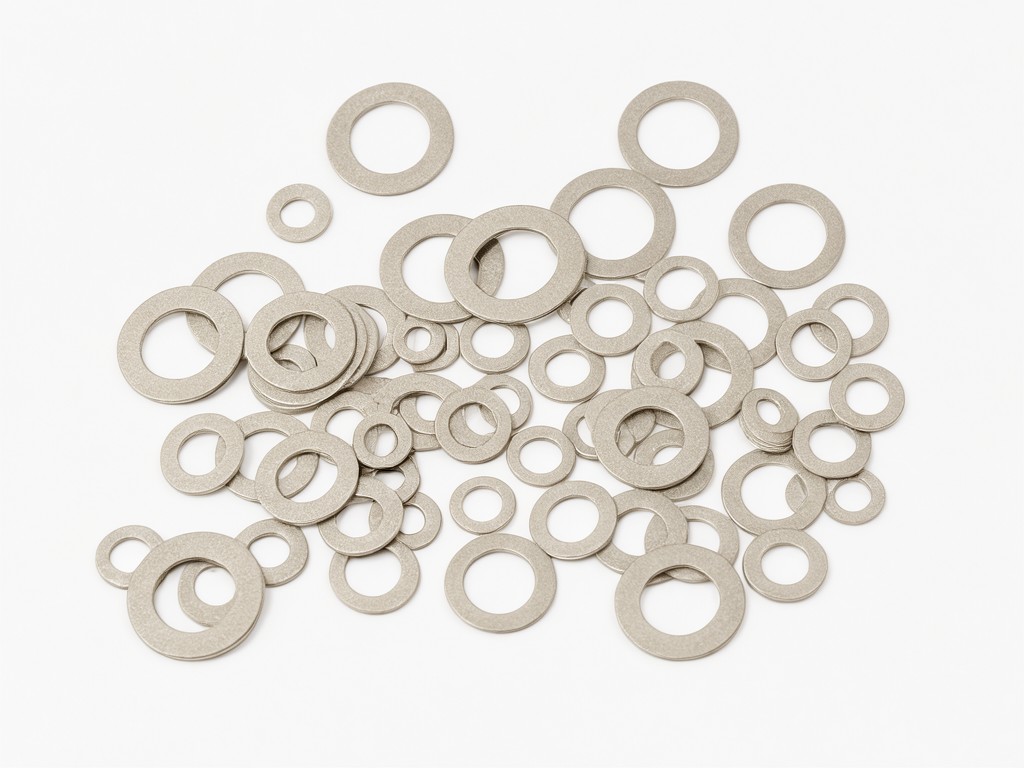
Supply is focused on stamped and punched flat washers from heat-resistant sheet or strip, with deburring selected to suit the edge requirement. Buyers typically define inside diameter, outside diameter, thickness, material grade, edge condition and finish. For a second-source comparison, keep those variables fixed across sample and production lots; small changes in thickness or burr direction can alter seating and pack weight.
A temperature figure alone does not establish suitability. Sustained heat, load, atmosphere, thermal cycling and contact with dissimilar metals all affect service behaviour, so the washer should be matched to the actual joint rather than selected by a generic maximum-temperature claim.
Where This Product Beats Standard Alternatives
| Usage level | Typical material route | Main selection check | Cost and sourcing effect |
|---|---|---|---|
| Intermittent heat with moderate exposure | Heat-resistant stainless steel, selected to suit the atmosphere and joint load | Flatness after stamping, corrosion exposure and thermal cycling | Usually a lower material cost than nickel alloy; confirm suitability for the actual operating conditions. |
| Sustained heat or a more demanding atmosphere | Higher-temperature stainless grade or nickel alloy, as dictated by exposure and load | Oxidation, load retention and compatibility with adjoining materials | Higher material cost can be justified where standard stainless degrades too quickly; availability may affect replenishment timing. |
The limiting factor is rarely the headline specification. At an elevated temperature, a standard stainless washer may oxidise or lose useful mechanical properties sooner than the surrounding fastener. A heat-resistant grade can extend service in the right joint, but it cannot compensate for excessive clamp load, poor seating or an atmosphere that attacks the selected alloy.
What Can Be Customised and What Cannot
Inside diameter, outside diameter, thickness, profile, deburring and packaging can be specified. The material grade must remain suitable for the complete combination of temperature, load and environment; changing only the grade name does not establish equivalent service behaviour.
Stamped production suits repeat orders and stable dimensions after tooling approval. A new size or narrow tolerance may require a dedicated die and a sample review before volume release. Laser-cut samples can support early fit checks, but their edge and production route may differ from the stamped part; do not treat them as final process approval without agreement.
Specify whether dimensions apply before or after any finishing operation. If appearance matters, identify the accepted surface condition and define how visible oxidation, discoloration or handling marks are treated. Unclear finish language can create lot disputes even when the washer fits the assembly.
Segment-Specific Requirements
Thermal Processing Equipment
Furnace and industrial-heater assemblers should state whether washers see continuous heat, repeated heat-up and cool-down, or direct exposure to combustion products. Those conditions affect alloy choice and the acceptable surface change after service.
Exhaust and Process-Line Assemblies
Distributors supplying exhaust or hot-process joints should confirm the washer’s exposure to moisture, chemicals, vibration and adjoining metals. A grade that handles dry heat may not suit a corrosive condensate environment.
For both segments, agree a drawing revision and retained reference sample before the first repeat order. A stable material source and a fixed stamping route help control thickness, outside diameter and piece weight; that consistency limits assembly variation and reduces the risk of returns caused by mixed lots.
Volume Planning and Lead Time
Plan Around Material and Tooling, Not Just Piece Count
A stock size in a regularly available grade can move through sampling and production with fewer purchasing dependencies. A new profile, close dimensional tolerance or less commonly stocked alloy adds time for material confirmation, die work and sample approval. Request a schedule against the drawing, annual demand, order quantity and any existing approved tooling rather than relying on a generic lead-time promise.
For second-source qualification, begin with a representative lot large enough to check fit, surface condition and unit-weight spread. Then align the production order to the approved material and process route. Split releases can reduce inventory exposure, but only if the supplier can reserve the same grade and maintain the agreed revision across releases.
Metal pricing and alloy availability can move between quotations. Ask the supplier to state quotation validity, tooling charges, material substitution rules and the point at which schedule changes require buyer approval.
Packing, Marking and Freight Configuration
Bulk supply: use inner bags or compartmented cartons where loose parts could rub, mix or collect moisture. State the agreed pieces-per-pack and carton quantity so receiving teams can reconcile orders by count and weight.
Traceability: mark cartons with part number, material grade, drawing revision, lot reference and quantity where required by the purchase order. Keep different grades and revisions physically separated through packing.
For export freight, choose a pack format that prevents carton collapse and keeps metal parts dry during transit and storage. If the buyer needs barcodes, language-specific labels, pallet limits or mixed-SKU cartons, confirm artwork and pack rules before the order enters production; late label changes can delay dispatch without changing the washer itself.
Care, Storage and Service Life
- Store cartons in a dry area and keep parts in their labelled packs until assembly. Moisture or contact with other metals can alter the surface before installation.
- Avoid mixing grades, revisions or lots in the same bin. The label and lot reference should remain traceable after the carton is opened.
- During installation, use the specified fastener, mating surface and clamp load. A washer cannot correct a poor joint design or prevent loosening caused by movement elsewhere in the assembly.
- Review the washer after service if the joint sees thermal cycling, corrosive exposure or repeated disassembly. Replace parts with distortion, severe oxidation or damage to the bearing face.
Service life depends on the assembled joint and its environment, not the washer’s material name alone. Record the operating conditions and failure appearance when replacing parts; that evidence helps distinguish material degradation from excess load, surface damage or a fastener problem.
Request a Sample for Second-Source Qualification
Send the drawing, material requirement, operating temperature profile, atmosphere, joint load and target order quantity with your sample request. Include the current supplier’s accepted dimensions and any recurring complaint so the sample can be compared against the conditions that affect fit and service life.
For a controlled comparison, request the proposed grade, process route, sample-lot identification and packing details in writing. Request a washer sample and quotation for your second-source review.