


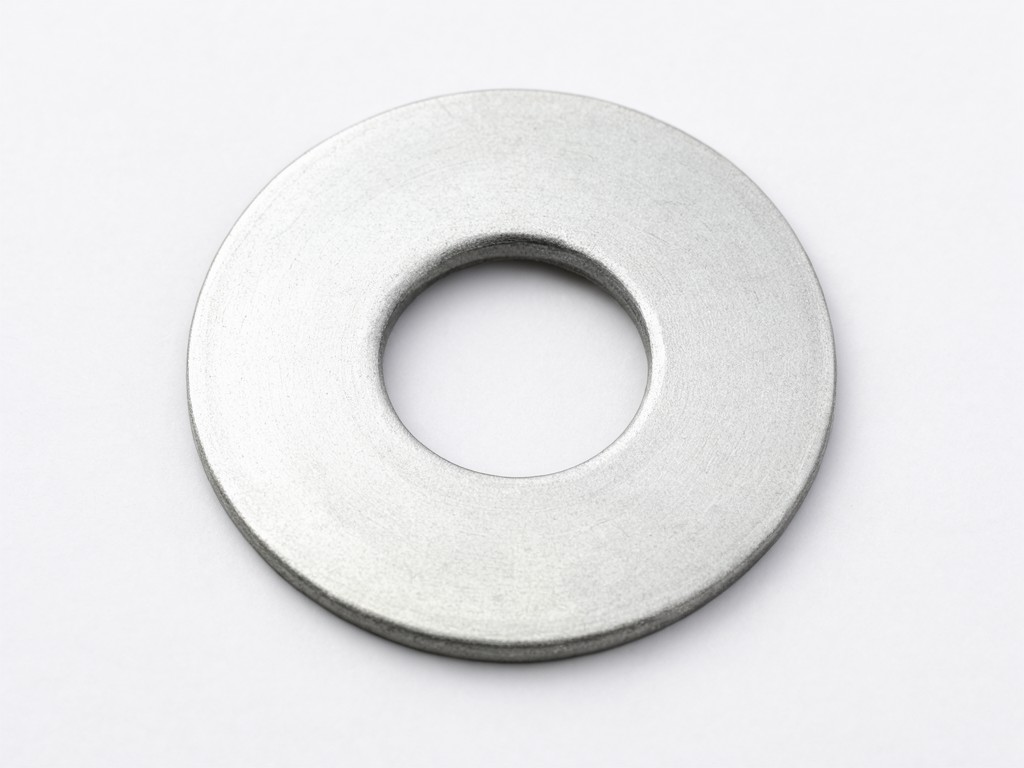
Specifying durable washer and lock washer china supplier for Wholesale and OEM Orders
Material choice starts with the conditions the product will meet. For private-label hardware packs and facility maintenance orders, a washer that corrodes early or loses its spring action can turn a low purchase price into repeat replacements, returns, and assembly complaints.
Cost and durability pull in opposite directions once the joint sees moisture, vibration, repeated service, or exposure to cleaning chemicals. A China supplier should work from the fastener size, joint conditions, material, finish, and drawing—not treat flat washers and lock washers as interchangeable parts.
Specification Range and Customisation Limits
Repeat complaints often start with a washer that technically fits the bolt but does not suit the joint. A narrow outer diameter may not spread the load across a soft panel; an overly thick split lock washer can alter the available thread engagement. Specify the nominal fastener size and the mating surface before choosing dimensions or a locking style.
Fit and bearing area
Set inside diameter to the fastener shank and confirm outside diameter against the load-bearing surface. Thickness and tolerances follow the drawing or agreed dimensional schedule.
Material and finish
Carbon steel suits cost-sensitive indoor use; stainless steel is considered where moisture raises corrosion risk. Coating selection depends on the environment and any restrictions on the assembled product.
Locking style
Choose split spring, toothed, or another specified lock washer form to suit the joint. A lock washer is not a substitute for correct torque or a joint design that resists loosening.
| Selection factor | Common options | Performance and cost trade-off |
|---|---|---|
| Washer form | Flat, split spring, toothed, or drawing-specific profile | Flat washers spread bearing load; lock washer geometry adds a mechanical feature but needs a matching joint and assembly method. |
| Material and surface | Carbon steel with a specified finish, stainless steel, or spring steel for applicable lock washer designs | A corrosion-resistant material or coating can raise unit cost; the choice is justified when the service environment would otherwise drive early replacement. |
| Size and piece weight | Nominal fastener size, inside diameter, outside diameter, and thickness to drawing | Weight per piece depends on dimensions, material, and washer form. Confirm both dimensional limits and pack count before costing a retail unit. |
Specification rule: approve the washer against the mating fastener and joint, not a nominal size label alone. Dimensional fit, material, finish, and packaging quantity should remain tied to one controlled part description.
Buying Mistakes That Lead to Returns
Returns commonly follow a mismatch between the sample and the reorder: a different coating shade, a washer that binds on the bolt, or a lock washer that flattens during tightening. These problems are difficult to solve by lowering price after the specification has been left open.
Another frequent error is selecting by piece price without calculating the sellable pack. If a pack needs a fixed assortment, an unnoticed change in piece weight or count affects both landed cost and the quantity a customer receives. Record the exact mix, count per bag, and label content in the order specification.
Where chlorine, sweat or UV exposure is routine, choose for the actual installation environment rather than assuming a general-purpose finish will hold up. Cleaning agents and trapped moisture can accelerate visible corrosion; confirm the exposure details before approving a finish. For assemblies subject to vibration, confirm the joint design and tightening method instead of relying on a lock washer label as a guarantee against loosening.
Usage Scenarios and Buyer Segments
Private-label hardware buyers typically need repeatable dimensions and pack counts across replenishment orders. A slight change in diameter can make an assortment incompatible with the fasteners in a kit, while a finish change can create visible differences between retail batches.
- Facilities and academy purchasing teams use washers in equipment repair and fixture assembly; stocked sizes must fit the existing bolts and withstand the site’s cleaning and storage conditions.
- Distributors build mixed fastener assortments for maintenance customers, where clear size identification and stable quantities per compartment reduce picking errors.
- OEM assemblers specify flat or lock washer forms for recurring joints, with dimensions and materials matched to the mating hardware and service environment.
For each segment, cost per unit sold depends on more than the washer’s price. A correctly specified part can reduce sorting, customer complaints, and replacement activity across the sales batch.
Working as a Production Partner, Not a Catalogue Supplier
A production partner can work from a drawing, a physical sample, or a written specification that defines washer form, dimensions, material, finish, and permitted variation. For stamped parts, the design and material determine tooling needs; a non-standard profile or tight dimensional requirement can add setup cost and extend the path to a production order.
OEM and ODM orders can also cover pack configuration, private-label bags, printed identification, and carton markings. Buyers should approve the sample and packaging layout before the order is released, then keep the approved details with the reorder record. A change to raw material or surface finish should be treated as a specification change, not a silent substitution.
MOQ and lead time depend on size mix, tooling status, material availability, finishing route, and packaging requirements. Combining common sizes may simplify replenishment, while uncommon dimensions or a custom-marked assortment can require a separate production plan.
Export Packaging and Handling Protection
Loose washers can mix across sizes if inner bags split or carton dividers shift in transit. Pack by defined size and count, use sealed inner bags where suitable, and mark each pack so warehouse staff can identify it without opening the carton.
For coated or corrosion-sensitive parts, select packaging that limits abrasion and exposure to moisture during storage and export handling. Carton strength and unit weight should suit the shipment configuration; private-label artwork and shipping marks need approval before packing begins.
Questions Buyers Ask Before Ordering
Can you quote from a sample if we do not have a drawing?
A sample can provide a starting reference. Confirm the critical dimensions, material, finish, and washer form in writing before approval, since appearance alone does not define the full production specification.
What changes affect MOQ and lead time most?
Custom dimensions, new tooling, less common materials, special finishes, and multiple pack configurations can affect both. Share the size schedule and packaging plan together so the quotation reflects the intended order, not just a single loose part.
Can private-label packs contain several washer sizes?
Yes, if the size mix, quantity of each size, bag or compartment format, and label information are defined in advance. Approve a sample pack to confirm that the contents and printed identification match the sales unit.
Request a Sample for Specification Approval
Send the washer type, fastener size, drawing or sample reference, material and finish preference, pack count, and destination market. A sample review can settle fit and packaging details before you commit to a wholesale or OEM run.