


wholesale 2 1 2 inch flat washers china factory - Bulk Supply and Specification Guide
Cost and durability pull in opposite directions once a flat washer sits in a joint exposed to moisture, repeated tightening or outdoor storage. The material and finish affect unit price, but burrs, variable thickness and corrosion can drive replacement labour, returns and warranty claims.
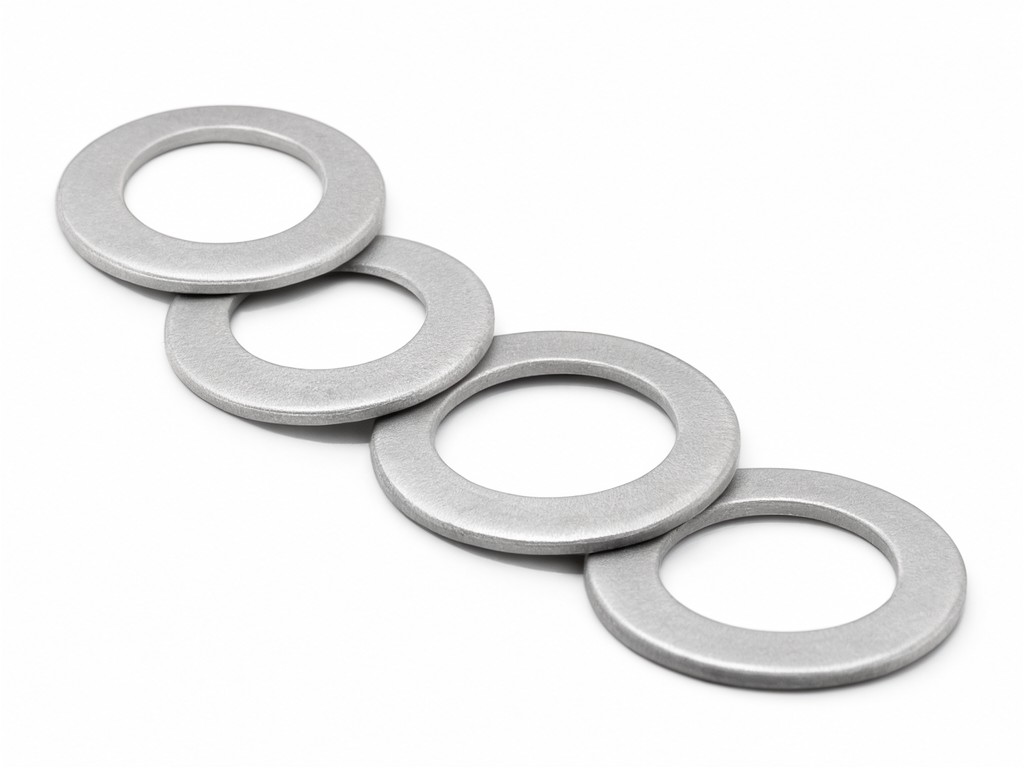
For a 2-1/2 inch washer order, first define what the size refers to. It may identify the nominal fastener size or the washer’s outside diameter; those are not interchangeable. Set the inside diameter, outside diameter and thickness on the drawing or purchase specification before comparing factory quotations.
Where Cheaper Alternatives Fall Short
A lower-priced washer can cost more after installation if its hole, thickness or edge condition varies across cartons. Poor fit can slow assembly; sharp burrs can damage mating surfaces or complicate handling; a finish that does not suit the environment can lead to early corrosion.
- Thin or uneven stock may dish under clamp load instead of spreading it consistently.
- Inconsistent hole size can make the washer bind on the fastener or shift during assembly.
- A coating selected only for its purchase price may not suit wet storage or service exposure.
Price comparisons are meaningful only when material, dimensions, finish and inspection expectations match. Otherwise, the quoted unit prices describe different parts.
Measured Performance in Real Use
A flat washer’s practical job is to spread load over a bearing surface and provide a repeatable interface beneath a nut or bolt head. Performance depends on the specified dimensions, stock condition, mating materials and joint load; a washer alone does not establish a joint’s load capacity.
| Service condition and construction | Complaint to watch for | Specification that helps prevent it |
|---|---|---|
| General indoor assembly; stamped carbon steel with a specified protective finish. | Rust marks in storage or after installation. | Name the finish and its acceptance requirements; protect finished parts from moisture during packing and transit. |
| Outdoor or damp service; stainless steel selected for the expected exposure. | Corrosion or staining that triggers field replacement. | Specify the stainless grade against the service environment, then confirm the material identity and surface condition by lot. |
| Joint with a defined fastener and bearing surface; thickness and diameters controlled to the approved drawing. | Poor seating, hole interference or uneven load distribution. | List inside diameter, outside diameter, thickness and applicable tolerances separately; verify the stamped part against the approved sample. |
Carbon steel with a protective finish generally keeps material cost lower. Stainless steel carries a higher material cost, but may reduce corrosion-related service calls where the environment justifies it. Neither option compensates for an incorrect fit or an unsuitable joint design.
Buying Mistakes That Lead to Returns
The most common ordering error is treating “2-1/2 inch” as a complete dimensional callout. It does not tell a factory whether the number means nominal fastener size or outside diameter, and it leaves thickness and tolerances open to interpretation.
Lock the purchase specification before production. A drawing or dimensioned sample should identify all three main dimensions, material, finish, edge condition and any required identification or packaging details. If a coating is involved, agree on whether dimensions are checked before or after coating where that affects fit.
- Do not approve a sample by appearance alone; check the bore, outside diameter, thickness and flatness.
- Do not substitute a material or finish on a reorder without written approval.
- Separate the washer specification from the fastener specification so each component has its own acceptance criteria.
Requirements by Buyer Segment
OEM Procurement
OEM buyers need the washer to fit the assembly process and remain consistent through repeat orders. Provide the controlling drawing, material and finish requirements, inspection plan and rules for approving changes. That gives receiving teams a stable basis for lot acceptance and gives production a defined replacement part if a batch is held.
Private-Label Importers
Importers selling under their own brand should align carton quantities, labels and lot identification with warehouse receiving and downstream resale. Keep the approved sample and final packaging proof on file. A traceable lot reference helps isolate a shipment concern without treating every shipment as the same production batch.
For either buyer type, compare landed cost per accepted washer—not only the factory unit price. Sorting, assembly stoppages, replacements and warranty handling can outweigh a small saving at order placement.
How Consistency Is Held Across Batches
Flat washers are commonly produced by press stamping from sheet or coil stock, followed by edge finishing and, when specified, a protective surface treatment. Stable output depends on controlled tooling, material condition and agreed inspection limits. Tool wear can shift the bore or outside diameter; inconsistent deburring can leave sharp edges even when the main dimensions remain within tolerance.
For repeat orders, retain the approved drawing and sample as the reference, record material and finish by lot, and identify any tooling or process change before it affects supply. Buyers can also set a pre-shipment sample or inspection requirement for initial orders, then use the same acceptance criteria on reorders.
Carton protection matters after production: keep finished parts dry, use packaging that limits abrasion and contamination, and mark cartons so warehouse staff can distinguish lots. These controls make incoming checks and any later claim easier to trace.
Inspection Items and Test Methods
Inspection criteria should follow the drawing and the service environment. Agree on sampling frequency and acceptance limits in the purchase documents; do not assume a generic check will cover a buyer’s fit or corrosion requirements.
- Measure inside diameter, outside diameter and thickness with suitable gauges or measuring tools against the approved tolerances.
- Check flatness and visible edge condition; inspect for burrs, cracks, distortion and damage from handling.
- Verify material identity and finish against the order requirements; use coating-thickness checks where a coating limit is specified.
- Use a corrosion exposure test only when the buyer and factory have agreed the method, duration and acceptance criteria in advance.
- Review carton count, lot marking and moisture protection before dispatch, then retain inspection records by production lot.
Before requesting a quotation, confirm whether “2-1/2 inch” means the fastener size or the washer outside diameter. Send a dimensioned drawing with material and finish requirements to prevent a sample or production lot from being built to the wrong interpretation.
Request a batch-specific quote and artwork review. Share the drawing, material and finish requirements, target order quantity, carton plan and any private-label packaging artwork. The factory team can check the specification and packaging proof before sample approval.
Send your washer specification for review