


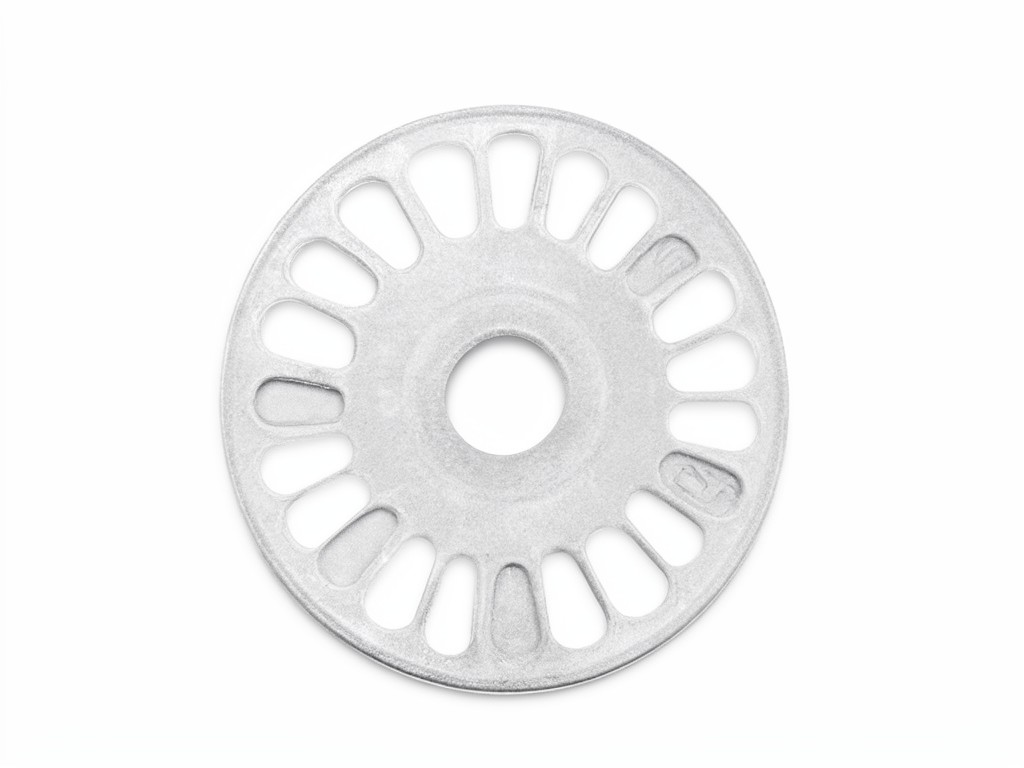
Wholesale 9 16 fender washer supplier - Bulk Supply and Specification Guide
Selection rule: confirm whether 9/16 inch refers to the nominal inside diameter, then lock the outside diameter, thickness, material and finish against the buyer’s drawing. A wider washer spreads clamping load over more surface, but adds material cost and package weight.
The complaint that repeats across reorders is simple: a replacement washer fits the bolt but does not cover the same panel area. “9/16” is commonly used to identify the nominal hole size, not the complete washer geometry. For a private-label or distributor program, carry the approved drawing and finish description into every purchase order; the decision rule is to specify all controlling dimensions rather than buy by the name alone.
What This Product Is and Where It Fits
A 9/16 fender washer is a flat metal washer with a comparatively large outside diameter around a nominal 9/16-inch hole. It is used where a standard flat washer would cover too little surface, such as fastening through sheet material, panels or other parts that need load spread around the fastener. The washer does not replace a correctly sized fastener or compensate for a weak substrate.
Most supply programs use stamped or punched steel, followed by edge deburring and, where specified, a protective finish. Carbon steel keeps unit cost and weight down; stainless steel carries a higher material cost but suits applications where corrosion exposure makes plated carbon steel a poor fit. Buyers should verify the nominal size convention and drawing dimensions before matching an existing item.
What the Design Has to Balance
Outside diameter determines how broadly the washer distributes pressure; thickness affects stiffness, mass and the amount of material used per piece. Increasing either dimension can help with surface coverage or resistance to dishing under clamp load, but it raises material use and shipping weight. The useful design is the lightest geometry that provides adequate bearing area for the mating part and installation load.
Hole size, outside diameter and thickness also determine whether reorders stack and install like the approved sample. A small shift in any one dimension can change fit or visible coverage; a change in steel thickness can alter both piece weight and stiffness. Set the acceptable dimensional range on the drawing, and keep material grade and finish as separate purchase requirements so a price adjustment does not silently change the washer.
How It Performs in Use
Under a fastener, the washer spreads clamp force across a larger bearing face than a narrow standard washer. That can reduce local pressure on thin or soft material, provided the washer remains flat and the substrate can carry the load. Excessive tightening, an undersized outside diameter or a thin washer can still lead to distortion or pull-through.
Corrosion resistance depends on the base metal, finish and service environment. A plated carbon-steel washer is often a cost-conscious choice for dry indoor use; moisture, outdoor exposure or contact with corrosive substances may call for a different material or finish. The table below is a selection guide, not a substitute for application-specific corrosion review.
| Service condition | Typical material or finish direction | Buyer consideration |
|---|---|---|
| Dry indoor assemblies | Carbon steel, plain or with a specified plated finish | Balance piece cost against the required appearance and expected exposure. |
| Intermittent moisture or outdoor service | A corrosion-resistant finish or stainless steel, subject to application review | Specify the environment and finish requirement; appearance alone does not establish corrosion suitability. |
| Repeated assembly or higher clamp load | Geometry and thickness selected against the mating parts and installation conditions | Confirm that the washer does not dish and that the substrate supports the applied load. |
Where This Product Beats Standard Alternatives
A fender washer is useful when a standard flat washer leaves too little bearing area around a hole or on a thin panel. It is not automatically the better choice: the larger disc needs more clearance, consumes more material and may not fit a recessed or tightly spaced assembly. Match the washer to the contact surface and available space rather than upsizing by habit.
Fender Washer
Choose it when wider bearing coverage matters on sheet stock or a panel. The larger outside diameter can reduce concentrated pressure around the fastener, with added material and clearance requirements as the trade-off.
Standard Flat Washer
Choose it where the mating surface is already strong and the standard bearing face is sufficient. Its smaller footprint can reduce cost and fit more easily in confined assemblies.
What Can Be Customised and What Cannot
For a repeat wholesale item, the drawing and purchase specification should fix the dimensions that affect interchangeability. Commonly selectable details include:
- Inside diameter, outside diameter and thickness, subject to available tooling and production economics.
- Carbon steel or stainless steel, with the finish defined to suit the application and appearance requirement.
- Bulk pack quantity, carton arrangement and buyer or retail identification where the order volume supports the packing setup.
A finish change cannot correct a dimensional mismatch, and changing thickness can shift piece weight and performance. Tooling, material availability and finish processing also affect cost and lead time. Approve the drawing and finish description together; once production is scheduled, changing either can require a new setup or a revised order plan.
Who Uses It and Where It Matters
Hardware distributors stock these washers for contractors and maintenance teams that need broad bearing coverage on panel and sheet-metal fastenings. Equipment assemblers use them when a bolt passes through a larger opening or a surface that needs more support than a standard washer provides. Retail buyers and private-label product managers benefit from a controlled drawing because dimensional drift can create fit complaints, mixed inventory and extra returns even when the nominal size on the package stays unchanged.
For a project discussion, share the current sample or drawing, required material and finish, order volume, and packing format. That gives the supplier enough information to confirm whether the existing specification can be matched without redesign. Discuss your washer specification and bulk supply requirements.