


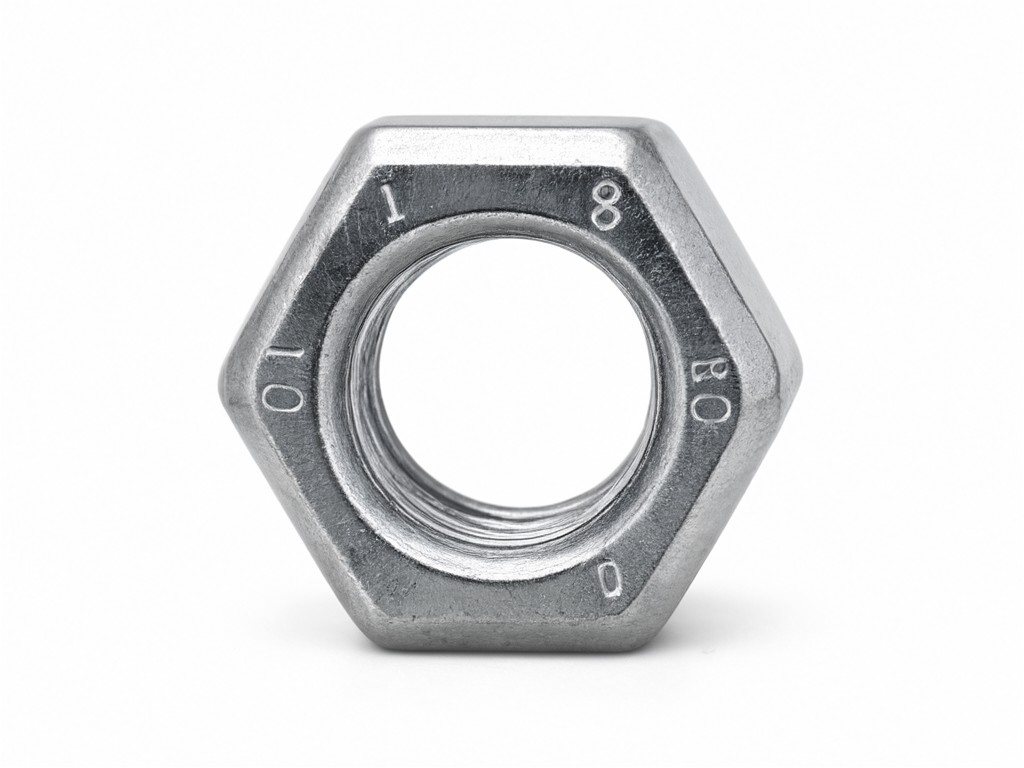
B2B 1 1 8 hex jam nut Distributor - Bulk Supply and Specification Guide
Before comparing quotations, confirm that 1 1/8 inch refers to the nominal thread diameter and not the nut’s across-flats dimension. A jam nut has less thickness than a standard hex nut, so it offers less thread engagement when used alone; its common role is to lock against a full nut or a mating component. A mismatch in thread series or pitch can stop assembly, while inadequate engagement can compromise the joint. The purchase decision starts with the mating thread and intended locking arrangement.
Two suppliers quoting the same nominal size may price different thread classes, materials, finishes, inspection coverage, and packing quantities. Those differences affect installation time, replacement frequency, and how much stock becomes unusable after a specification change. For importers and facility buyers managing equipment maintenance, compare landed cost against the cost of sorting, rework, and service interruption. A lower unit price pays off only when the supplied nut fits the approved joint and holds up in its exposure conditions.
Buying rule: approve the thread series, jam-nut thickness, material, finish, and locking arrangement together. A finish change can affect thread fit, and a thinner nut cannot replace a full-height nut where the design depends on greater thread engagement.
Where Cheaper Alternatives Fall Short
A low quote can conceal a thread-series substitution, loose dimensional control, or a finish that does not suit the storage and service environment. Those problems appear at assembly: nuts bind before seating, show excess play, or arrive with coating damage and corrosion after exposure to moisture. Each failure adds handling and replacement cost beyond the invoice price.
For outdoor equipment or damp maintenance areas, specify corrosion protection according to actual exposure rather than choosing a finish by appearance alone. A more involved finish can raise piece price and may require closer attention to thread fit. If the joint is frequently serviced, prioritize consistent fit and a documented finish choice; if it is rarely disturbed, compare the finish premium against expected replacement and maintenance costs.
Design Constraints Behind the Specification
The 1 1/8 inch designation identifies the nominal thread size; it does not define pitch, thread class, across-flats dimension, or thickness. Those details must match the mating bolt and the joint drawing. The jam-nut profile saves axial space, but that space saving comes with less thread engagement than a standard hex nut.
Specify whether the nut locks against a full nut, a shoulder, or another threaded feature. Do not assume that tightening torque alone will compensate for an unsuitable engagement length or a mismatched thread.
For this size, a plausible production route is hot forging followed by tapping and finishing. Forging tooling requires an initial setup investment; at larger order volumes, that cost is spread across more pieces. A machined route may suit limited quantities or a non-standard profile, but its per-piece material and machining costs can be higher. Confirm the proposed route against the drawing before comparing volume breaks.
What Actually Determines Performance
The joint’s service performance depends on correct thread engagement, a compatible locking method, and dimensions that let the nut seat as intended. A thin nut is not a substitute for a full nut in a load path designed around greater engagement. In service, repeated loosening, damaged threads, or corrosion can make an otherwise reusable connection difficult to dismantle.
Set acceptance criteria against the approved drawing and purchase specification. The checks below identify common factory inspection points; they do not imply a particular external standard or a guaranteed service life.
| Inspection point | Factory check | Buyer specification basis |
|---|---|---|
| Thread size and fit | Thread gauges and sample fit checks | Approved diameter, pitch, thread series, and fit requirement |
| Across flats and thickness | Dimensional measurement against the released drawing | Drawing dimensions and agreed tolerances |
| Material and finish | Documentation review and visual surface inspection; additional corrosion testing if specified | Agreed material, coating, and exposure requirement |
| Batch identification | Lot and packing-label review | Traceability details required for receiving and reorder control |
Materials and Construction Trade-offs
Hot-forged carbon steel is a practical option when order volume supports dedicated tooling and the joint needs a familiar steel nut. The selected finish then determines much of its resistance to moisture and handling wear. Stainless steel may suit corrosive or frequently washed environments, but material cost and galling risk at assembly need consideration; specify compatible mating hardware and installation practice.
Coatings can also change effective thread fit. A finish applied after tapping may reduce available clearance, while a pre-finish route can bring different coverage considerations. Agree on the material, finish sequence, and thread-fit requirement as a combined specification, especially where the nut must be removed and reused during equipment service.
Specification Range and Customisation Limits
Thread pitch, thread fit, nut thickness, across-flats dimension, material, finish, and packing format can be quoted to an approved drawing or purchase specification. Availability depends on the selected combination and the supplier’s existing tooling. Treat 1 1/8 inch as a starting point, not a complete order description.
Custom thickness or wrench geometry can require dedicated tooling and a new sample approval. A standard configuration usually avoids that tooling charge, while a custom profile may reduce assembly interference or improve service access. Keep any change to thread details, finish, or geometry under revision control so repeat orders remain interchangeable.
Option Comparison by Usage Level
Choose the option around service exposure and purchase volume, not unit price in isolation. Tooling amortisation matters most when the specification remains stable across repeat orders.
Maintenance and Lower-Volume Orders
A stocked or commonly tooled configuration can limit setup cost for occasional replacements. Match the existing thread and finish exactly; mixed specifications create sorting work and can leave unusable residual stock.
Repeat Bulk Orders
A stable drawing and consolidated order volume can spread forging-tool investment across more pieces. This route suits buyers who can forecast demand and hold one approved specification through successive replenishment cycles.
What Can Be Customised and What Cannot
A buyer can request a defined thread series, dimensions, steel or stainless material, surface finish, marking where practical, and packaging suited to warehouse handling. Custom dimensions need drawing review, tooling confirmation, and sample approval before a production order. Thread compatibility cannot be inferred from the nominal diameter alone; the mating part or complete thread callout must be confirmed.
A custom finish also cannot be treated as a cosmetic change if it affects thread clearance or corrosion performance. State the intended service environment and any receiving inspection requirements at quotation stage. That information lets the supplier price the actual specification rather than an incomplete size description.
Stock Availability and Reorder Planning
Stock status depends on the exact thread pitch, material, finish, and packing unit; a listing for 1 1/8 inch alone is not confirmation of a match. Send the full thread callout or drawing with the required quantity, and ask the distributor to confirm whether the offer is from existing stock or requires a production run.
For repeat demand, keep the approved drawing revision, finish, lot identification, and pack quantity on the purchase record. Combining forecast quantities can reduce the effect of setup costs per piece, while a stable specification reduces approval work at reorder. Avoid substituting finishes or thread details to fill a shortfall without engineering approval.
For sample review, provide the mating bolt or its complete thread specification, the required finish, and the intended locking arrangement. A fit check against the actual joint can resolve uncertainty before bulk packing is approved.
Request a sample and quotation with your drawing, quantity, material, finish, and packing requirements. The specification can then be reviewed against the mating hardware before you commit to a bulk order.