


bespoke screw cap hexagon socket head bolts company: Specification, Ordering and Quality Notes
What This Product Is and Where It Fits
| Customization point | Details to specify | Cost or fit consequence |
|---|---|---|
| Thread and length | Nominal diameter, pitch, thread length, and under-head length; provide a drawing or confirmed mating-part details. | A defined thread family and length prevent fit issues and avoid unnecessary special tooling. |
| Head and hex socket | Head diameter and height, socket size and depth, and any non-standard drive geometry. | Custom head proportions can require dedicated heading and socket-forming tools. |
| Material and finish | Steel or stainless steel, required mechanical properties, service environment, and coating or surface treatment. | Material and finish affect forming route, price, corrosion behaviour, and dimensional allowance. |
| Order and packaging | Initial quantity, forecast volume, pack count, label details, and batch identification needs. | A forecast supports tooling amortisation and repeat-batch planning; pack format can reduce handling at assembly. |
The build method decides the cost curve. For a repeat design, cold heading forms the cap head and blank, followed by socket forming and thread rolling where the geometry allows. Special head profiles or low order volumes may call for more machining, which limits the initial tooling burden but usually raises the part cost.
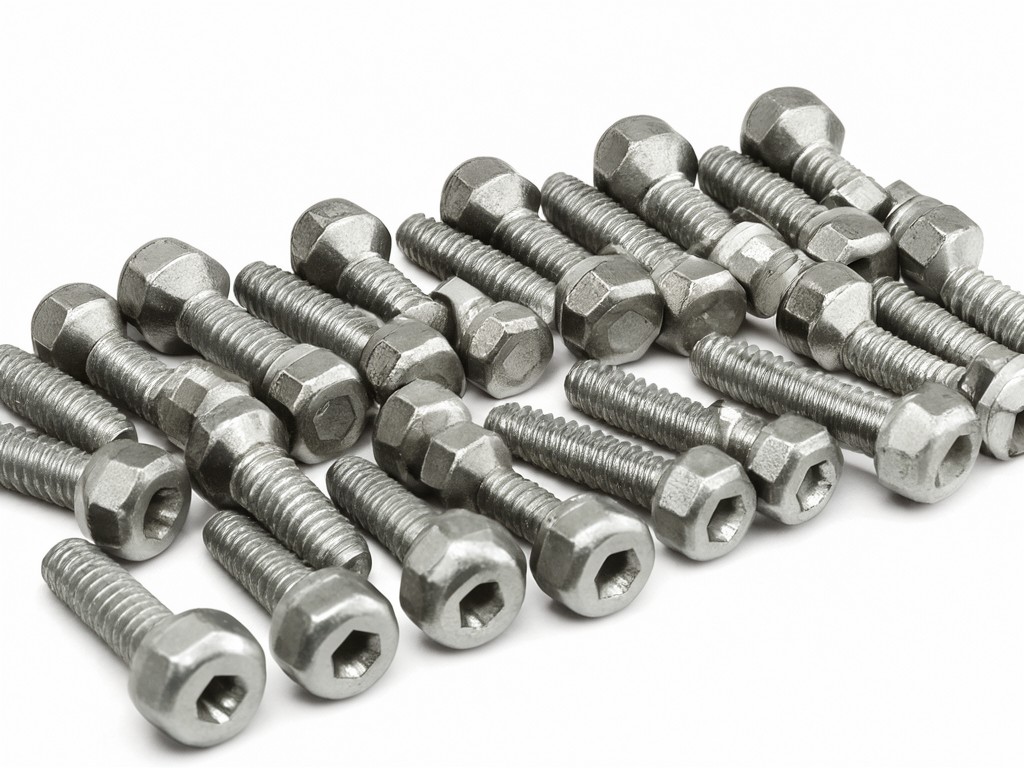
These fasteners suit bolted joints where a flush or compact hex drive, controlled clamping, and access from the head side matter. Fit depends on the mating thread, clearance around the cap head, and sufficient socket depth for the installation tool; the drawing should define each interface rather than leave it to a general description.
Option Comparison by Usage Level
First-article tooling determines how quickly a custom design can move into repeat supply and how much of the setup cost sits in each unit. The economic choice depends on forecast volume, design stability, and the cost of a fastener that fails to fit during assembly.
Prototype and Short-Run Route
Machining or a mixed process can suit small batches, unusual proportions, and designs that still need fit confirmation. Setup costs are lower when dedicated forming tools are not justified, but machining time keeps the unit price higher as volume grows.
Choose this route when a sample or initial production quantity will settle fit, assembly access, or a drawing revision before a larger release.
Repeat-Volume Forming Route
Cold heading and thread rolling need dedicated tooling and setup, so the opening order carries a larger share of those costs. Once the drawing and process are stable, higher repeat volume spreads tooling expense across more parts and can lower the unit price.
Confirm the forecast and expected reorder pattern before tooling approval; tool changes after release add cost and can extend the next production cycle.
A price comparison should include the tooling charge, sample stage, finish, pack method, and likely reorder quantity. Comparing only the first unit price can favour a route that costs more across the programme or leaves the buyer with a tooling expense that cannot be recovered through planned volume.
How to Choose Before Requesting a Quote
Drawing rule: define the thread, under-head length, head dimensions, socket geometry, material, property requirement, finish, and any critical tolerances in one controlled specification. If a finish changes the fit, state the required condition for the finished part.
Consistency is set at the forming stage. A stable head profile and socket position help keep tool engagement and joint appearance consistent from batch to batch; the thread and finished dimensions still need to match the mating component after any heat treatment or coating step.
- Send a dimensioned drawing, material and property requirements, and the intended service environment. A physical reference sample can clarify a feature the drawing does not fully describe.
- State annual demand, first-order quantity, and expected release pattern so the quote can separate unit pricing from tooling and setup costs.
- Identify the installation tool and available clearance around the cap head. Socket depth and head height should suit the actual assembly, not only the nominal fastener size.
- Confirm packaging, quantity per pack, and label information before order placement if parts enter a kitted assembly or controlled stock system.
When the design remains subject to change, request a sample before authorising production tooling. That step adds time and a separate cost, but it can prevent a larger batch from carrying an avoidable interface change.
Who Uses It and Where It Matters
Equipment OEMs use custom socket head cap screws when a standard catalogue part does not meet the assembly’s head clearance, thread engagement, or finish requirements. On repeat production lines, a small dimensional mismatch can interrupt assembly or force operators to sort parts, so stable specifications matter across replenishment orders.
Maintenance procurement teams may source these bolts for replacement assemblies where the original fastener is no longer available or a non-standard length is required. Club and academy purchasing managers can also need them for facility equipment repairs; in that setting, clear identification and pack quantities help staff hold the correct replacement stock.
For export programmes, buyer-specified labels, protected packaging, and batch identification help keep incoming stock organised across sites. Agree those details with the supplier before packing begins, particularly when one shipment contains multiple lengths or finishes.
Requirements by Buyer Segment
An OEM buyer needs the part tied to a controlled drawing and a repeatable reorder description. Include revision status, material, property requirement, finish, and packaging in the purchase specification; otherwise, a later order may match the thread but differ in an important assembly or surface detail.
Procurement officers should compare the landed programme cost rather than the initial unit price alone. Tooling amortisation, forecast quantity, finish choice, pack configuration, and freight protection can change the cost per usable part. For a stable design with scheduled releases, discuss how the supplier will identify the approved version and keep repeat orders aligned to it.
Club or academy purchasing managers generally benefit from a concise replacement specification and manageable pack sizes. A named equipment application, the existing fastener or drawing, and the service conditions give the supplier enough context to avoid quoting a superficially similar part that does not fit.
Care, Storage and Service Life
Storage conditions affect surface condition before installation. Keep fasteners dry, retain protective packaging until use, and separate different materials or finishes where moisture could lead to staining or corrosion. For coated parts, avoid loose bulk handling that can abrade the surface before assembly.
Service life depends on the joint design, material, environment, and installation method rather than the head style alone. Select the finish for the actual exposure, use a correctly fitting hex key or bit, and follow the assembly torque or clamping requirement established for the joint. Reusing a damaged fastener or driving tool can round the socket and compromise removal.
- Keep stock in its labelled pack until issue to preserve part and batch identification.
- Inspect socket edges and threads during installation; reject parts with visible damage or contamination that affects engagement.
- For outdoor, humid, or chemically exposed service, confirm that the selected material and finish suit the exposure rather than relying on appearance alone.
Request a Sample Against Your Assembly
Send the drawing or reference part, target quantity, forecast, material and finish needs, and packaging preference. A sample review can confirm fit and drive access before you commit to repeat-volume tooling or a production release.