


Specifying Bulk 3 8 bolts nuts and washers Suppliers for Wholesale and OEM Orders
What This Product Is and Where It Fits
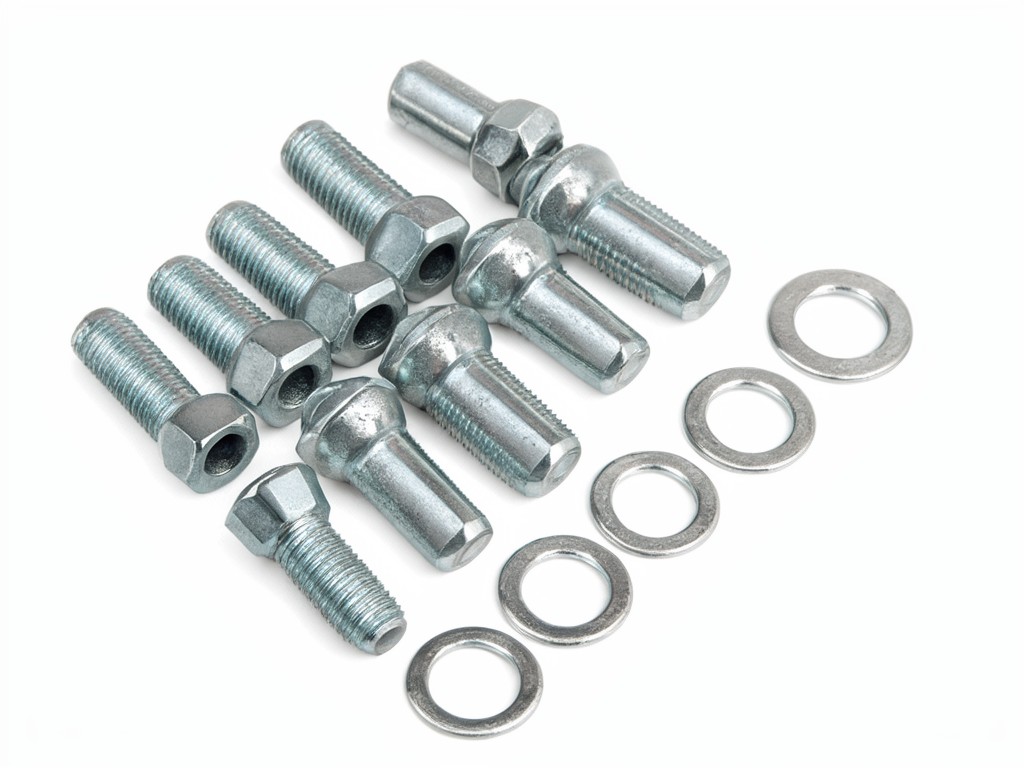
The interface between parts determines whether a 3/8-inch bolt joint stays seated or loosens under repeated load. These bulk sets pair nominal 3/8-inch bolts with compatible nuts and washers for equipment frames, storage systems, benches, service fixtures, and other bolted assemblies. Importers and facility purchasing teams use them for planned builds and recurring maintenance stock.
“3/8 inch” identifies the nominal thread diameter, not the bolt length. Thread series, length, head form, material, finish, and washer dimensions still need to match the assembly drawing. A coarse thread is often specified as 3/8-16 UNC and a fine thread as 3/8-24 UNF; confirm the mating part before selecting either.
Agree the joint, not just the diameter. Bolt, nut, and washer dimensions must be reviewed together. A thread mismatch or washer that covers too little bearing area can turn an otherwise correct 3/8-inch order into an assembly problem.
The Problem Buyers Keep Paying For
Deflection under load governs washer choice and joint design. A thin washer may dish beneath the bolt head or nut on a soft, slotted, or painted surface; an incorrect thread can bind before the joint clamps. For outdoor assemblies, coating damage or an unsuitable material pairing can add corrosion complaints to the return cost.
| Assembly condition | Complaint seen after installation | Specification to agree before production |
|---|---|---|
| Joint carries repeated vibration or movement | Nut backs off or the joint loses clamp | Confirm bolt and nut thread series, engagement length, washer style, and any locking feature on the drawing. |
| Fastener bears on a slot, soft panel, or coated surface | Washer dishes, pulls through, or marks the surface | Set washer inner and outer diameters and thickness against the bearing area and substrate. |
| Hardware is exposed to rain, washdown, or damp storage | Rust staining, coating wear, or seized threads | Choose material and finish for the exposure, then confirm nut compatibility and the intended service environment. |
| Replacement hardware is mixed into existing stock | Installers find inconsistent lengths, finishes, or thread fit | Use an approved sample and a controlled part schedule with revision and pack identification. |
Torque cannot be set from diameter alone. Material grade, finish friction, lubrication, and joint design all affect clamp force, so use the assembly engineer’s approved value rather than carrying a generic torque across configurations.
How It Is Built and What That Changes
Most production starts with wire or bar stock. Bolts are commonly cold-headed and then thread-rolled; nuts are formed and tapped; flat washers are stamped from sheet. These processes suit repeat wholesale quantities, but each depends on an agreed drawing for head dimensions, thread fit, length, washer geometry, and finish allowance.
Carbon steel usually offers a lower unit cost and a broad choice of strength levels, subject to the grade being specified and matched across the joint. Stainless steel raises material cost but can suit wet service; it is not a universal cure for corrosion, especially where dissimilar metals or trapped moisture are present. Zinc-plated carbon steel is a common indoor choice, while outdoor exposure may call for a more protective coating or a stainless selection.
Coating changes can affect thread fit and friction. Hot-dip galvanized sets require a nut and thread arrangement designed for the coating system, while plated finishes need clear coverage and appearance expectations. Samples should represent the specified material, finish, and complete bolt-nut-washer combination rather than a visually similar substitute.
Requirements by Buyer Segment
Importers need repeatable part identification across shipment lots, plus packaging that keeps loose hardware from mixing. Club and academy purchasing managers often need fast replacement for facility equipment, so the part schedule should identify each length and finish clearly enough for maintenance staff to reorder without measuring a damaged fastener.
- For indoor equipment frames, prioritize thread compatibility, consistent length, and a finish that suits dry storage and routine cleaning.
- For outdoor benches, racks, or fixtures, specify the exposure and material pairing; avoid assuming that a general-purpose plated finish will suit every location.
- For maintenance kits, set the count per assembly and separate part numbers by size so an installer does not combine near-matching lengths or finishes.
Working as a Production Partner, Not a Catalogue Supplier
Repeat-order performance starts with a controlled specification. Send the drawing or dimensioned part list first; resolve thread series, length measurement method, material and grade, finish, washer dimensions, and nut style before pricing is finalized. If a sample is the reference, record its approved dimensions and finish rather than relying on visual approval alone.
Agree tolerances for the dimensions that affect fit, clamp area, or interchangeability. A cosmetic finish range can be handled separately from thread and bearing dimensions. Approval should identify the drawing revision, sample status, label details, and any packaging artwork so a later reorder does not silently adopt a changed specification.
| Order variable | Options to define | Approval point |
|---|---|---|
| Bolt and nut geometry | Length, head form, thread series, nut type, and washer dimensions | Signed drawing or dimensioned part schedule |
| Material and surface | Carbon steel or stainless steel; agreed protective finish and appearance | Representative finished sample and written finish description |
| Private-label presentation | Bag or box format, pack quantity, part label, and approved artwork | Label proof and packaging sample before the production run |
Tooling and setup choices depend on the requested head, nut, and washer geometry. Standard forms usually avoid special tooling cost; a nonstandard profile or pack configuration may add setup work, so confirm the sample and tooling responsibility before order release.
Setup, Use and Replacement Parts
Balance and load analysis shows why a bolt should not be tightened by feel when the joint carries equipment or user loads. Follow the assembly drawing for torque, sequence, and any locking method; excessive tightening can damage threads or compress the joined material, while insufficient clamp can allow movement.
- Check the replacement part against the recorded diameter, thread series, length, head style, and finish before installation.
- Replace a bolt and nut together if threads are damaged, binding, or visibly corroded; do not force a mismatched nut onto the bolt.
- Inspect washers for cupping, cracks, or deep surface marks where the joint is serviced. Replace them with the specified dimensions, not simply a washer with the same nominal hole.
- Keep replacement sets dry and separated by part number. Retain the approved sample or drawing revision with the reorder record.
For exterior hardware, inspect after exposure to standing water, cleaning chemicals, or coating damage. The replacement material and finish should match the original joint design; changing to stainless steel or a different coating can alter both corrosion behaviour and tightening friction.
Questions Buyers Ask Before Ordering
Does 3/8 Inch Specify the Bolt Length?
No. It refers to the nominal diameter. Specify length separately and state how it is measured for the selected head style, along with the thread series and required thread length.
Can A Sample Be Approved Before A Bulk Reorder?
Yes. Approve a complete set made to the intended material, finish, and dimensions. Keep the sample reference tied to a drawing revision; a sample from a different finish or thread configuration does not confirm the production specification.
What Changes When The Order Includes Private-Label Packs?
Pack quantity, label content, and artwork approval become part of the order specification. Confirm the part number, quantity per pack, and any lot identification on the proof before production packing begins.
Does A Larger Order Always Reduce Unit Cost?
Not by itself. Material, finish, nonstandard geometry, pack format, and setup requirements all affect price. Confirm the finished sample and specification first, then compare quantities against the same agreed configuration.
Request A Production Sample
Send the drawing, part schedule, or current sample details for a review of thread fit, dimensions, finish, and packing needs. Contact us to discuss a sample request before committing a repeat bulk order.