


China hex nut china supplier: Specification, Ordering and Quality Notes
Unit price settles the question only after the nut’s fit, finish and repeat-batch variation are accounted for. For OEM and private-label orders, a low quote can cost more if thread fit or coating differences lead to assembly delays, field corrosion or warranty returns. Specify the mating bolt, service environment and acceptable batch controls before comparing landed cost.
What Actually Determines Performance
| Nominal thread | Typical across-flats dimension | Indicative mass per nut | Typical nut height |
|---|---|---|---|
| M6 | 10 mm | About 1.5–2 g | About 5 mm |
| M8 | 13 mm | About 3–4 g | About 6.5 mm |
| M10 | 17 mm | About 6–8 g | About 8 mm |
| M12 | 19 mm | About 10–12 g | About 10 mm |
| M16 | 24 mm | About 22–26 g | About 13 mm |
| M20 | 30 mm | About 42–48 g | About 16 mm |
These are planning figures for common metric hex nuts, not a substitute for a drawing or agreed dimensional specification. Style, material and finish can change mass; across-flats dimension and height must match the buyer’s selected nut form. Thread pitch and tolerance determine whether the nut runs freely on the mating bolt without excessive play.
A nut works through thread engagement: tightening creates clamp load across the joined parts, while the nut’s bearing face transfers that load to the assembly. If thread fit is too tight, installation slows or damages threads; if the fit is too loose, joint movement and preload loss become more likely. Match the nut specification to the bolt and assembly method, not just the nominal diameter.
How It Is Built and What That Changes
For common carbon-steel sizes, production typically starts with wire or coil stock. Cold forming shapes the hex body and pierces the centre; tapping forms the internal thread, followed by chamfering and the specified surface treatment. This route suits repeat OEM batches because tooling and feedstock can be held to a defined setup, while larger or less common sizes may require a different production route and quote basis.
Control points should follow the purchase specification: thread plug gauges for fit, checks of across-flats dimension and height, and visual review of burrs, cracks and coating coverage. Hardness checks may apply where the mechanical requirement calls for them. A small drift in tap condition or plating thickness can affect assembly fit across a full lot, so record the approved sample and agreed inspection points for repeat orders.
For a repeat program, lock the thread, nut height, material grade, finish and mating-bolt reference in one controlled specification. A change to any one of these can alter fit or corrosion behaviour even when the nominal size stays the same.
Comparing Two Standard Configurations
Unit price and service life diverge most clearly when the finish is selected without reference to the exposure. Zinc-plated carbon steel usually carries a lower purchase cost for dry indoor or sheltered use. Stainless steel can make sense where moisture exposure is frequent, but alloy choice and the mating hardware still affect corrosion behaviour and price.
Zinc-Plated Carbon Steel
Choose this for cost-sensitive assemblies kept indoors or under limited weather exposure. The coating adds a corrosion barrier, but scratches, cut edges and prolonged damp conditions can expose the steel. Specify the coating requirement and confirm the finished thread fits the selected bolt.
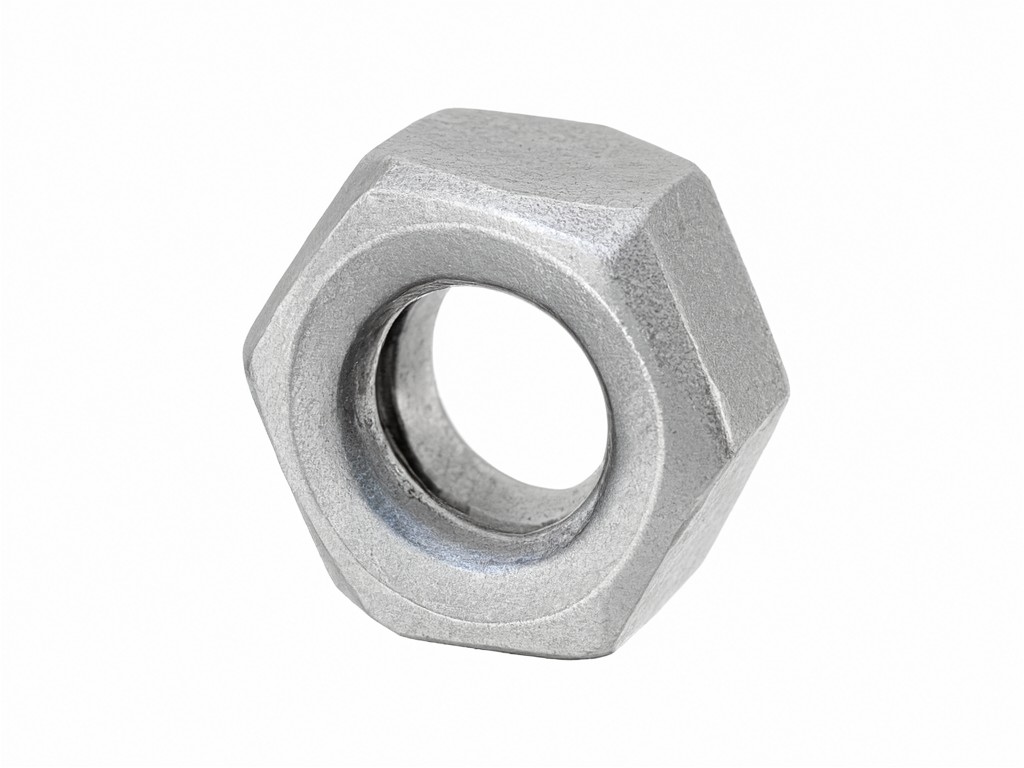
Stainless Steel
Select an appropriate stainless grade when damp service or washdown makes plated carbon steel a poor fit. The higher material cost buys corrosion resistance suited to the stated exposure, not immunity in every environment. Confirm grade, mating-bolt material and assembly conditions; galling can be a concern for stainless threaded pairs.
Compare the expected replacement and warranty cost with the purchase-price difference. For outdoor exposure, ask whether a heavier coating or a different material is needed; do not assume a finish name alone defines service life.
How to Choose Before Requesting a Quote
Two suppliers quoting the same specification may be quoting different assumptions about thread pitch, material, finish or packaging. Send the controlled drawing or identify each requirement directly. Include the following before asking for a production price:
- Nominal diameter, pitch, thread tolerance and nut form, with a drawing where dimensions are not standard.
- Material grade and any mechanical-property requirement that affects the application.
- Finish, colour if relevant, and the expected exposure to rain, condensation, washdown or chemicals.
- Mating-bolt details, annual demand, initial order quantity, target delivery window and export packing needs.
- Required lot identification, sample approval process and the checks that must be recorded for repeat production.
A reference sample helps confirm appearance and assembly feel, but it does not replace dimensions and material details in the order record. Agree how any approved sample relates to the drawing so later batches are not judged against an undocumented condition.
Segment-Specific Requirements
Equipment OEMs often need stable thread fit across assemblies that run through automated or torque-controlled installation. Distributors and private-label buyers may place greater weight on clear size identification, lot separation and repeatable packaging. For outdoor equipment or exposed structural assemblies, finish selection should reflect actual wet-time and maintenance conditions rather than a general “weather-resistant” label.
| Exposure or service condition | Configuration to discuss | Limit to resolve before ordering |
|---|---|---|
| Dry, indoor assembly | Carbon steel with a suitable plated finish | Confirm coating coverage, storage conditions and bolt compatibility. |
| Outdoor exposure with intermittent rain | Review coating thickness or stainless material against service conditions. | Check exposed edges, trapped moisture and expected maintenance interval. |
| Frequent moisture or washdown | Select a stainless grade for the actual environment. | Consider chemical exposure, dissimilar metals and thread galling risk. |
Where corrosion claims carry a high cost, define the exposure and acceptance method with the supplier before production. Salt-spray testing can support a finish comparison when specified, but its result should not be treated as a direct forecast of years in service.
Keeping Repeat Orders Supplied
Common metric sizes and standard carbon-steel finishes are generally easier to schedule than unusual pitches, nonstandard dimensions or special material-and-finish combinations. Availability can also vary by order quantity and production load. Share a forecast for recurring sizes early; reserved raw material or planned production slots may reduce the risk of a gap between OEM releases.
For private-label programs, keep the approved specification, sample record, packing artwork and lot-marking rules under the same part number. Ask the supplier to identify production lots on cartons and retain the agreed production records. That trail gives procurement a practical way to investigate a complaint without mixing stock from different runs.
If a material or finish substitution becomes necessary, require written approval before shipment. A small unit-price saving does not offset assembly interruption or claims if the substituted batch changes thread fit or corrosion performance.
Packing, Marking and Freight Configuration
Hex nuts are dense cargo, so carton weight and handling matter as much as cube. Set a practical gross-weight limit for warehouse lifting, then choose inner bags or boxes that keep sizes and lots separate. Moisture protection is worth specifying for sea freight, particularly for carbon-steel plated stock that may sit in a humid container.
Carton labels can carry the part number, nominal size, material, finish, quantity, lot reference and country of origin as required by the buyer’s import and receiving process. Confirm label language and barcode format before artwork approval. For a packed sample or first order, check that the label remains legible after normal freight handling and that the inner pack prevents size mixing.
Discuss the specification before price is fixed. Send the drawing or size schedule, annual demand, finish and service conditions, plus any packing or lot-traceability requirements. A supplier can then quote the intended configuration and flag details that could affect fit, lead time or repeat-batch cost.
Contact us to discuss your hex nut project and align the sample, production checks and packing plan before the first purchase order.