


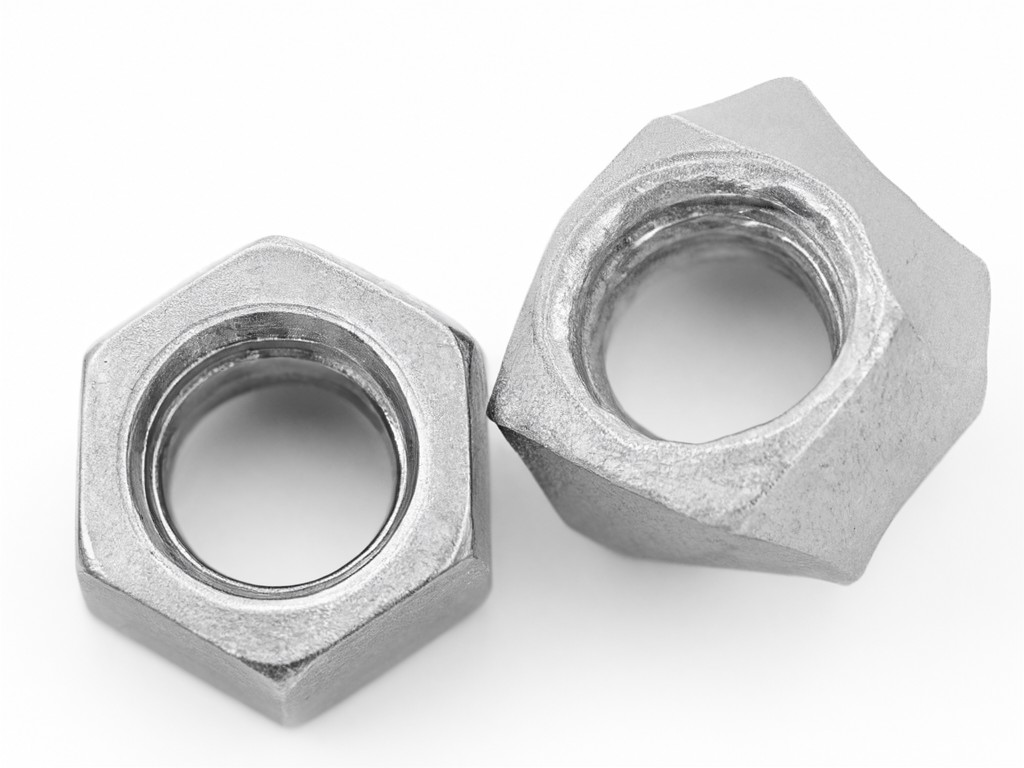
Specifying china standard hex nut dimensions metric suppliers for Wholesale and OEM Orders
Choose the dimensional series, steel grade and finish as one specification. A lower-cost nut can raise cost per unit sold if corrosion or thread variation leads to field replacement, rejected assemblies or warranty claims.
What This Product Is and Where It Fits
Unit price and service life diverge when a metric hex nut is exposed to moisture, cleaning chemicals or repeated assembly. These externally threaded fasteners are produced to mate with a specified metric bolt or threaded rod; buyers commonly source them for machinery, equipment, furniture and hardware assemblies.
For repeat OEM orders, “standard hex nut” is not a complete purchasing description. Confirm the governing dimensional series or drawing, thread pitch, property class, material and finish. A supplier can match across-flats dimensions yet still quote a different height, thread tolerance or coating build, each of which can affect fit and assembly.
Standard sizes are commonly cold formed and tapped; production route and suitable size range depend on the material and nut design. A defined drawing and approved sample give the factory a usable basis for process control and repeat orders.
Material Options and Their Trade-offs
Carbon steel is usually the cost-led choice for indoor assemblies and protected equipment. Its service life depends on the selected property class, coating and exposure; a zinc finish may suit ordinary indoor handling, but salts, persistent damp and aggressive wash chemicals can shorten its useful life.
Stainless steel can reduce rust-related replacement in wet or frequently cleaned applications, but it costs more and does not remove the need to check the working environment and mating fastener. Chloride exposure, including some cleaning solutions and salt-bearing moisture, can still cause corrosion. Confirm the stainless grade and the required material properties rather than purchasing by the word “stainless” alone.
Alloy steel may be appropriate where the assembly needs a defined strength level. Match the nut class to the bolt and joint design, then choose a finish compatible with the required fit and exposure. A thicker protective coating can improve corrosion resistance but may change thread fit; verify the finished part, not only the uncoated blank.
Option Comparison by Usage Level
Protected, Cost-Sensitive Assemblies
For dry indoor use with limited cleaning, carbon steel and a suitable plated finish often keep purchase cost down. This option depends on controlled storage and prompt replacement of parts with damaged coating; exposed edges and installation abrasion can become early corrosion points.
Frequent Cleaning or Outdoor Exposure
Where wet cleaning, condensation or outdoor storage is routine, compare stainless steel or a specified protective finish against the expected replacement interval. UV exposure does not typically degrade the steel itself, but it can affect adjacent parts and packaging; moisture and cleaning residue at the joint remain direct corrosion concerns.
Two suppliers quoting the same specification may calculate piece weight, coating requirements and inspection scope differently. Compare the finished-part drawing, the included material and finish requirements, and the agreed batch checks before treating the quotations as equivalent.
How to Choose Before Requesting a Quote
Before comparing quotations, state the nominal thread diameter and pitch, the dimensional series or drawing revision, and the required property class. Identify the mating bolt and assembly conditions as well: tightening method, expected load, exposure to moisture or cleaning agents, and whether the nut is replaced during service.
The dimensions below are indicative planning values for common metric hex nuts. Across-flats dimensions can differ between dimensional series, and mass varies with geometry, material density and finish. Use the approved drawing for purchase acceptance; do not use this range as a substitute for a controlled specification.
| Nominal Thread | Typical Across Flats | Typical Nut Height | Indicative Carbon-Steel Mass per Piece |
|---|---|---|---|
| M6 | 10 mm | About 5 mm | About 2.5–3.2 g |
| M8 | 13 mm | About 6.5 mm | About 5–7 g |
| M10 | 16–17 mm | About 8 mm | About 10–13 g |
| M12 | 18–19 mm | About 10 mm | About 17–22 g |
| M16 | 24 mm | About 13 mm | About 36–45 g |
| M20 | 30 mm | About 16 mm | About 70–85 g |
| M24 | 36 mm | About 19 mm | About 120–145 g |
Request quoted mass only as a planning reference unless the order includes a weight tolerance. For landed-cost comparisons, confirm whether the quotation covers the specified finish, inspection, packing method and any customer-specific labels or traceability records.
What Can Be Customised and What Cannot
For repeat production, suppliers can generally quote different materials, property classes, finishes, packaging quantities and marking or label arrangements. Some dimensions can be made to a customer drawing, but a non-standard nut may require dedicated tooling, additional setup and a separate approval sample. That cost is easier to assess when the forecast volume and reorder schedule are included with the inquiry.
Thread diameter, pitch, across-flats size, height and tolerances must be controlled together. Changing one dimension without checking the mating bolt, socket clearance or assembly tool can create a fit issue even if the part appears close to a catalogue size. Agree the drawing revision and acceptance points before mass production; do not rely on an informal description such as “standard metric.”
Segment-Specific Requirements
Outdoor equipment and furniture buyers should specify exposure to rain, condensation, road salts or cleaning products. A finish chosen for sheltered storage may wear at contact faces during installation, then allow corrosion to start at the damaged area. For frequently washed equipment, confirm chemical compatibility and set an inspection or replacement interval that reflects the actual cleaning routine.
Machinery and OEM assembly buyers need a consistent thread fit and strength pairing across replenishment lots. Where parts are installed with powered tools, the buyer should define the assembly method and any lubrication condition because friction changes the torque-to-clamp relationship. A nut selected for an indoor cabinet or appliance may prioritize finish appearance and coating uniformity, while an exposed structural joint needs a material and property class matched to its joint design.
Distributors serving mixed customer groups benefit from separate item codes for materially different grades or finishes. Clear pack labels reduce picking errors; batch identification helps trace a dimensional or coating complaint to the production lot rather than disrupting unrelated stock.
Quality Control and Batch Consistency
Thread fit, across-flats size and nut height are practical checks for incoming lots. A supplier can use suitable thread gauges and dimensional measuring equipment against the approved drawing; the inspection frequency and sampling plan should be agreed for the order rather than assumed from a quotation.
Material certification, hardness checks and coating-thickness measurement may be appropriate when the application or purchase specification requires them. Salt-spray testing can help compare coating performance under a defined test method, but it does not predict an exact service life in every field environment. Ask for the test scope and acceptance criteria if such testing is part of the order.
Process capability depends on a stable forming and tapping setup, controlled tooling wear, and consistent material input. Approved samples, recorded batch identification and agreed inspection records give OEM buyers a way to review changes between purchase orders. Before release, also confirm that packaging prevents mixed sizes, finish damage and moisture exposure during export transit.
Setup, Use and Replacement Parts
During assembly, match the nut to the specified bolt thread and use the joint’s approved tightening method. Cross-threading, dirty threads or excessive tightening can damage the nut before service begins. Do not apply a universal torque value across different sizes, property classes, finishes and lubrication conditions; use the engineering value for the actual joint.
After wet cleaning, remove residue and allow exposed joints to dry where the equipment design permits. Inspect for coating loss, red rust, seized threads or deformation after service in corrosive conditions. Replace nuts with damaged threads or visible deformation rather than forcing them back into use, and keep replacement stock identified by thread, material, class and finish so a service part does not create a mismatched joint.
If you are comparing China suppliers or preparing an OEM reorder, share the drawing, annual volume, exposure conditions, required inspection records and packing needs for a project discussion. Contact the team to review the specification and quotation basis.