


Specifying Custom 3 8 fine thread serrated flange nuts Factory for Wholesale and OEM Orders
Replacement rate, not unit price, determines the cost of a serrated flange nut across repeat orders. A small shift in thread fit, flange geometry, or finish can lead to assembly stoppages and returns; specifying the configuration before production helps keep replenishment lots compatible.
For this product, “3/8 fine thread” commonly means 3/8-24 UNF, but the mating bolt and drawing should confirm the thread series. The factory quote should lock the thread, nut profile, serration layout, base material, and finish together rather than price a generic flange nut by outside size alone.
How It Performs in Use
Under vibration or repeated service, the serrations bite into the clamped surface as the nut is tightened. That resistance to rotation depends on the joint, tightening method, and surface condition; it is not a substitute for a torque specification or a correctly designed connection.
Fit complaints often trace back to a thread-series mismatch or coating buildup, while clamp complaints can follow from flange dimensions that vary between orders. Serrations can also mark softer or coated mating surfaces. If the joint must preserve a finished face, confirm that the tooth contact is acceptable before approving the production configuration.
How It Is Built and What That Changes
Cold heading forms the blank and flange, then the hex profile and underside serrations are produced with matched tooling. Tapping creates the internal thread, followed by the specified surface finish where required. Tooling amortisation decides how much a profile change costs: a standard configuration typically avoids dedicated tooling expense, while a custom flange or tooth pattern can add setup and tooling charges that make more sense across a planned reorder volume.
Keep the drawing revision fixed across replenishment orders. Changes to the flange diameter, serration form, thread fit, or coating can affect assembly behaviour even when the nominal 3/8-inch size remains unchanged.
| Specification item | Quote basis | Why it matters on repeat orders |
|---|---|---|
| Thread | 3/8-24 UNF is a common fine-thread interpretation; confirm series, class, and fit from the mating bolt or drawing. | Thread mismatch causes fit failures and assembly delays. |
| Nut and flange geometry | Specify hex size, flange diameter and thickness, and any drawing-controlled dimensions. | Geometry drift can change tool access, bearing contact, and fit in the assembly. |
| Serrations | Define tooth form and contact face by drawing or approved reference sample. | Tooth geometry affects surface marking and resistance to rotation. |
| Material and finish | State the required material grade and coating or finish, including any colour requirement. | Changes may affect corrosion exposure, thread fit, appearance, and unit cost. |
Option Comparison by Usage Level
For assemblies with light service and stable replenishment demand, a standard nut profile usually keeps the piece price and tooling commitment down. The trade-off is less freedom to match a specific flange footprint or tooth pattern.
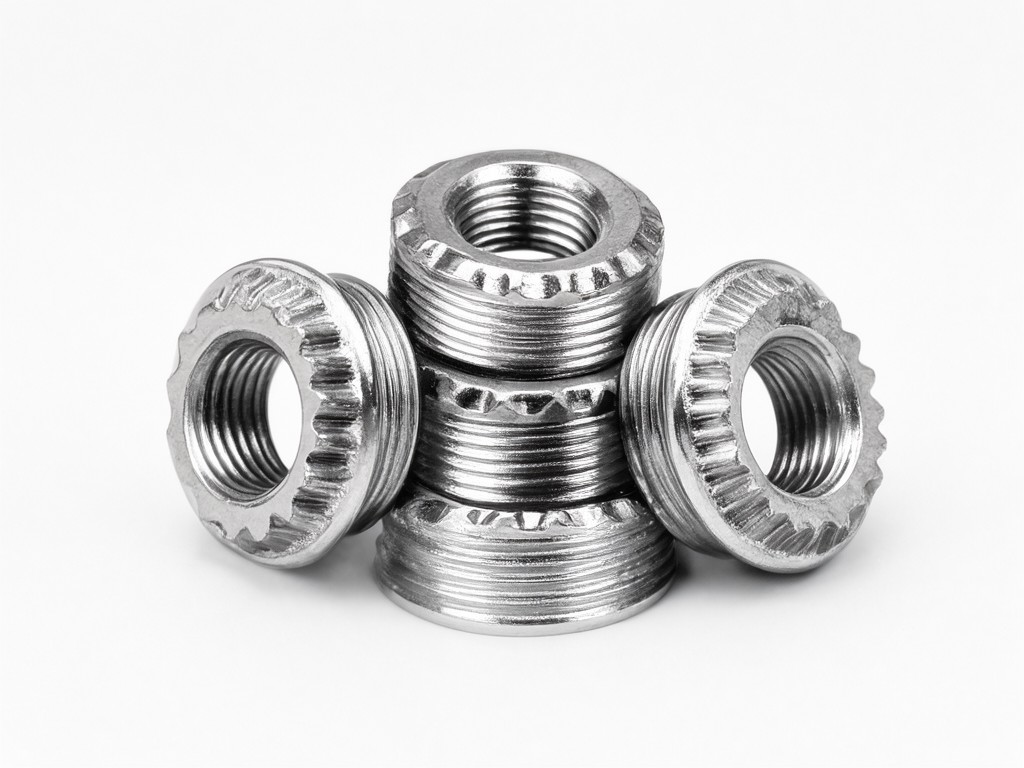
Standard-Profile Orders
A sensible fit for recurring general-purpose assemblies where the stock flange dimensions and serration pattern suit the mating surface. Less dedicated tooling can reduce upfront cost, though the buyer must confirm that the standard profile matches the existing joint.
Drawing-Controlled Repeat Orders
For higher annual usage or a costly return pattern, dedicated geometry can hold the nut to the assembly’s required footprint and tooth contact. Tooling and setup raise the initial commitment; spread across repeat volume, that cost can be preferable to recurring fit exceptions or line-side substitutions.
How to Choose Before Requesting a Quote
A quote based only on “3/8 fine serrated flange nut” leaves too much room for a different thread interpretation or profile. Use this decision path to narrow the build before comparing unit prices.
- Start with the mating fastener. If the drawing calls for 3/8-24 UNF, provide that notation and the required thread fit; if it does not, confirm the actual series before ordering.
- If the bolt is already in service, send its specification or a verified reference rather than relying on a visual size estimate.
- If the joint drawing governs, quote to the drawing revision and identify any dimensions that must not change.
- Next, check the mating surface. If tooth marks are acceptable, use the required serrated contact; if the surface has a protective coating or visible finish, confirm the contact pattern before release.
- Then compare the annual volume with the tooling cost. For modest demand and a suitable standard profile, avoid custom geometry; for recurring volume or documented fit returns, price the dedicated option over the expected reorder quantity.
- Finally, set the revision and finish requirements in the purchase specification so later lots do not drift in dimensions, weight, or appearance through an unapproved substitution.
Customisation Options and Their Limits
Custom work can cover flange diameter and thickness, hex dimensions, tooth profile, material grade, and surface finish. Each change needs to remain compatible with the mating bolt, available wrench access, joint load, and the surface under the flange.
Finish colour can vary between suppliers or production lots, and coating thickness may affect thread fit. If appearance matching matters, define an approved finish reference and keep it with the order specification; do not treat a colour description alone as a complete finish requirement.
- Send a dimensioned drawing or reference sample for non-standard flange and serration geometry.
- Identify the approved material and finish rather than leaving substitutions open to the factory.
- Separate must-hold dimensions from reference dimensions so the quote reflects the features that control assembly fit.
Requirements by Buyer Segment
Brand product managers generally need a repeatable part definition that protects assembly fit across replenishment cycles. A controlled drawing, fixed finish description, and documented substitution policy reduce the chance that a later lot changes the appearance or installation feel without an approved revision.
Procurement officers can compare the total cost by separating one-time tooling from the recurring unit price. Include annual quantity, forecast split, and reorder timing in the request; a low initial quote may not be the lowest-cost route if it leaves dimensions or finish open to variation between lots.
Request a Tooling Review
Send the drawing, thread callout, expected order volume, and any recurring fit or return issue. The factory can review whether a standard configuration fits or whether dedicated tooling is justified before the quote is finalised.
Discuss your flange nut specification and tooling requirements