


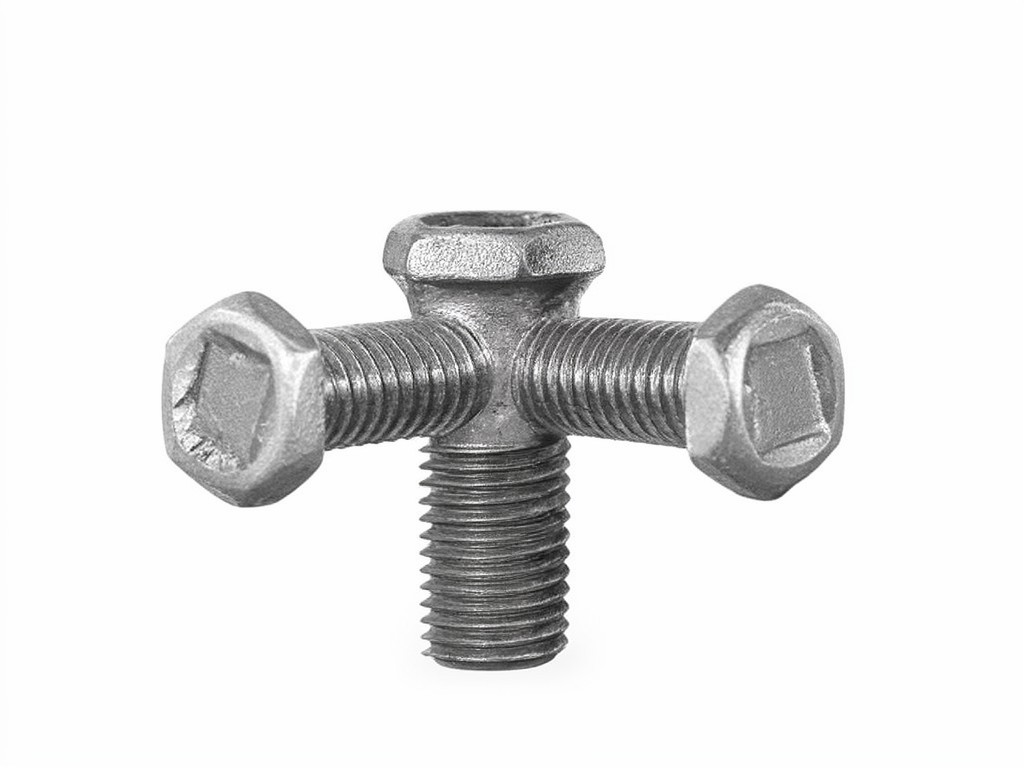
Specifying Custom hex bolt for sale for Wholesale and OEM Orders
Replacement rate, not unit price, is the cost figure that matters when a hex bolt backs out, corrodes early, or arrives with threads that will not pair with the intended nut. For distributors and private-label buyers qualifying a second source, the specification must preserve fit and service performance across repeat orders.
A hex bolt clamps components as torque turns its threads into a matching nut or tapped hole. The resulting clamp load depends on thread fit, material properties, surface condition, and the assembly method; a bolt's head shape alone does not define its working capacity. Clear agreement on dimensions, material grade, finish, and inspection limits reduces the chance that a substitute passes a visual check but fails at installation.
What Actually Determines Performance
Thread diameter, pitch, length, and engagement determine whether the bolt fits the joint and develops the clamp load the assembly requires. Head dimensions affect tool access and bearing contact, while the selected material grade sets the strength limits for the intended load and tightening method.
Fit warning: A coating can add thickness at the threads. Specify the mating nut and required fit with the finish, then confirm the coated bolt passes the agreed thread-gauge check. Otherwise, a coating change between sources can turn an acceptable drawing match into a rejected installation.
The first complaint often appears at assembly: a wrench slips because the head dimensions vary, or a nut binds because the pitch or coating is out of agreement. In service, corrosion, loosening, or thread damage can follow if the selected grade and finish do not match the joint conditions. Define the load, exposure, and installation method before treating a lower piece price as a saving.
Materials and Construction Trade-offs
Tooling amortisation decides whether a nonstandard head, shank, or marking is economical at the planned order volume. Standard dimensions and a standard head form usually keep setup costs lower; custom geometry can solve clearance or branding requirements, but buyers should price the tooling across forecast releases rather than one purchase order.
Carbon or Alloy Steel
Choose the agreed grade when the joint needs defined strength and the application allows a protective finish. Zinc plating can suit controlled indoor exposure; a thicker coating may be needed for harsher environments, subject to thread-fit confirmation.
Stainless Steel
Stainless options suit applications where corrosion resistance matters, but grade selection still has to match the load and environment. Thread galling can be a concern in some stainless combinations, so confirm the mating hardware and assembly practice before substituting it for a coated steel bolt.
Rolled threads are a common choice for production bolts, but the drawing and purchase specification should control the required thread form and limits rather than relying on a process description alone. Head markings, finish colour, and surface appearance can also vary by material and coating; define which differences are acceptable for your private-label presentation.
How to Choose Before Requesting a Quote
A quote is comparable only when both sources price the same bolt. Send a dimensioned drawing or a complete specification, including any permitted substitutions; a nominal diameter and length alone leave too much room for differences in pitch, head size, grade, and finish.
- State the thread diameter, pitch, thread length, overall length, and measurement method for length.
- Specify across-flats and head height, plus any shank dimensions or clearance limits that affect fit.
- Name the material grade and finish, and identify the mating nut or tapped component where relevant.
- Set the annual forecast, first-order quantity, release pattern, packaging needs, and marking or branding requirements.
If the joint is safety-critical or sees cyclic loading, provide the engineering load and assembly requirements for review. A supplier should not infer a strength grade from appearance, application category, or the old supplier's product name.
Quality Control and Batch Consistency
Second-source approval should compare measurable characteristics, not just a sample that looks similar. Lock the drawing revision, material and finish, inspection points, and acceptance criteria before production. Retained samples and lot identification make it easier to investigate a fit or corrosion complaint against the correct batch.
The most useful controls are those tied to repeat complaints: thread dimensions and fit, head and length dimensions, hardness or material verification where specified, and coating condition. Agree on sampling frequency and records with the supplier, particularly when orders arrive in several releases or different plants will use the same part.
What Gets Checked Before Shipment
Final checks should cover the bolt and the way it reaches the receiving line. Mixed sizes, damaged threads, or moisture trapped in export packaging can create complaints even when the production lot met its dimensional requirements.
| Receiving or Use Condition | Complaint Seen First | Specification or Packing Control |
|---|---|---|
| Assembly line uses a matching nut or tapped hole. | Threads bind, cross-thread, or fail a fit check. | Confirm pitch, thread limits, coating allowance, and the agreed thread-gauge inspection. |
| Bulk cartons pass through export freight and warehouse storage. | Corrosion marks, finish scuffs, or damaged thread starts appear at receipt. | Set the finish and moisture protection for the route; use dividers or inner bags when carton movement could damage threads or surfaces. |
| Receiving staff pick several bolt sizes from one delivery. | Size mix-ups delay assembly or send the wrong item to a customer. | Pack by part number and lot; mark cartons with the size, material or grade, finish, and quantity. |
| A reorder must match stock already approved for an OEM or private label. | Visible head-marking or finish differences raise questions about interchangeability. | Keep the approved drawing revision, marking artwork, and finish description tied to the item and batch records. |
For corrosion-sensitive orders, agree whether coating thickness or a comparative exposure test is part of the release plan. Salt-spray results can help compare controlled samples, but they do not translate directly into a guaranteed service life at a customer's site.
Volume Planning and Lead Time
Lead time depends on whether the requested dimensions use existing tooling, whether material and coating are available, and how much inspection or packaging work the order needs. Nonstandard head geometry or private-label marking may add setup time; recurring volume can spread that setup cost across releases, while a small trial order carries more of it per piece.
For a second-source qualification, schedule the drawing review and sample approval before the stock cover date. Share forecast quantities and release intervals early so the supplier can quote an initial lot separately from repeat production and identify any tooling charge or minimum run requirement.
Questions Buyers Ask Before Ordering
What information is needed to quote a custom hex bolt accurately?
Provide a drawing or a complete list of dimensions, thread pitch and limits, material grade, finish, quantity, inspection requirements, and packaging details. Include the mating component or application constraints if fit or clearance is not clear from the drawing.
Can a coated bolt use the same nut as an uncoated version?
Not without confirming the thread fit. Coating can change effective thread dimensions, so specify the finish and mating nut together and approve the finished bolt against the agreed gauge or fit check.
Does custom head marking require new tooling?
It depends on the head size, marking method, and whether existing tooling can accept the requested mark. Submit the artwork or marking layout for review; the supplier can confirm any tooling charge and sample approval requirements before production.
How should the first order be planned for second-source approval?
Use a sample or pilot quantity that allows your receiving and assembly teams to check dimensions, thread fit, finish, and carton identification. Agree the acceptance criteria before the sample is made so any adjustment does not become an informal change to the production specification.
Request an Artwork and Branding Review
Send the drawing, target volumes, finish choice, and head-marking artwork for a review of fit, tooling, and packaging requirements. Contact the team to discuss your custom hex bolt order.