


Custom left hand flange nut price: What Buyers Should Check Before Ordering
How to Choose Before Requesting a Quote
A repeat-order dispute often starts with a nut that fits the bolt but changes clamp load or seating feel. Left-hand thread direction, pitch, flange contact diameter and finish friction all affect installation; a small change in any one can alter the torque response or leave the joint short of its specified preload. For price comparison, send a controlled drawing and the mating-bolt details rather than relying on a nominal thread size alone.
- Confirm the left-hand thread designation, nominal diameter, pitch and tolerance with the mating part.
- Specify across-flats size, nut height, flange outside diameter and any flange serration or underside profile.
- State the required material, finish, operating exposure and packaging quantity per carton.
A standard nut blank with a custom thread or flange detail can limit tooling cost if the geometry is compatible. A new blank or forming die raises upfront cost, but higher order volume spreads that charge across more pieces and can lower the unit price on later releases.
What Can Be Customised and What Cannot
| Construction option | Price and service trade-off | Best fit |
|---|---|---|
| Cold-formed carbon steel with zinc plating | Usually the lower-cost route for common sizes. Corrosion protection depends on coating thickness, exposure and handling after plating. | Indoor or sheltered assemblies where buyers control storage and installation conditions. |
| Cold-formed carbon steel with a zinc-flake coating | Adds coating-process cost. The chosen system can suit more exposed service, but coating build and friction must be checked against thread fit and installation torque. | Outdoor or damp-service assemblies when the drawing or buyer specification calls for added corrosion resistance. |
| Cold-formed stainless steel | Material cost is typically higher, and galling risk merits attention during material and lubricant selection. | Assemblies that need corrosion resistance through the base material, subject to the specified load and mating hardware. |
Thread hand is not an optional finish choice: the nut must retain its left-hand thread to match the assembly. Buyers can specify thread size and tolerance, flange geometry, material, coating, surface appearance and mark or pack requirements. A custom flange profile or nonstandard blank may require dedicated tooling; changing only a finish or packaging instruction usually has a different cost and lead-time impact.
Who Uses It and Where It Matters
Selection rule: Match the coating and base material to the actual moisture and chemical exposure, then confirm the nut’s torque behaviour on the mating fastener. A corrosion-resistant finish cannot correct a thread mismatch or an unsuitable clamp-load design.
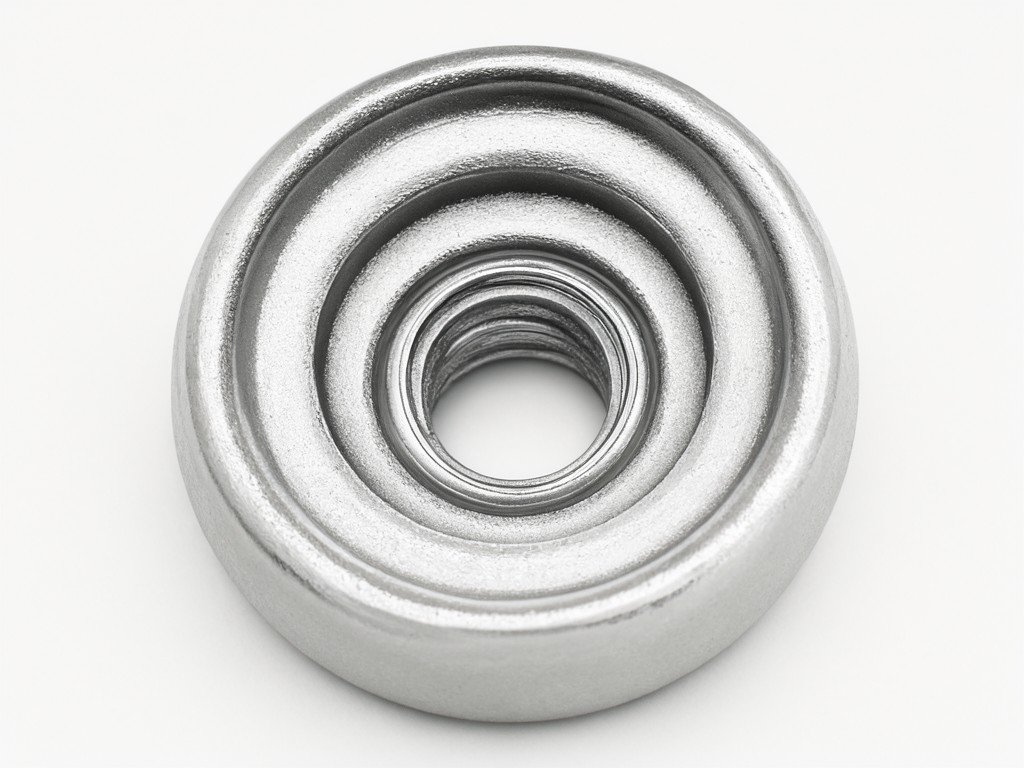
Distributors and product managers typically specify these nuts for assemblies where rotation or service direction calls for a left-hand thread. The flange spreads bearing contact under the nut and can remove the need for a separate washer, but the flange diameter and seating face must suit the joint surface.
On outdoor equipment or exposed machinery, water, road residue and handling damage can shorten coating life. A smoother, burr-free flange underside also gives a more consistent seating feel at assembly; serrations may resist rotation on some joint surfaces, but can mark softer mating materials. Choose the bearing face for the substrate and service condition, not appearance alone.
OEM and ODM Programme Structure
OEM: Build to a Released Drawing
A complete drawing, material callout, coating requirement and inspection criteria let the factory quote a defined part. The buyer retains design control; the quote separates any setup or tooling charge from the recurring piece price where applicable.
ODM: Develop from Joint Requirements
If the part is not fully drawn, provide the mating bolt, joint space, target material and exposure. Engineering review can identify a workable flange and blank, but dimensional approval and a sample run should precede volume production.
Order quantity changes both economics and schedule. Low volumes may carry a larger tooling or setup share per piece; established repeat volumes support planned production runs and reduce unit cost when the specification stays fixed. Revised thread details or a new flange profile can require tooling changes, fresh sample approval and a separate lead-time estimate.
Quality Control and Batch Consistency
Most quality disputes start with a consistency gap between the approved sample and a later production lot. Control the features that affect fit first: thread hand and pitch, thread gauge results, across-flats dimension, nut height, flange diameter and seating face. Material and finish checks then address the service conditions stated on the order.
Cold forming and tapping need stable setups; tool wear can change dimensions or leave burrs that affect assembly feel. A practical inspection plan checks dimensions and thread fit during production, then verifies coating appearance and packing condition on finished goods. Where torque behaviour matters, agree on the mating bolt, lubrication state and test method before comparing samples, because finish friction can shift the result.
Keep the approved drawing revision, sample record, material and finish details, and lot identification aligned across purchase orders. That record makes a reorder comparison meaningful and helps separate a process change from a change in the assembly conditions.
Keeping Repeat Orders Supplied
Stock match: Standard blanks may shorten replenishment only when thread, flange dimensions, material and finish match the approved part. Confirm stock status before planning a shipment around it.
Production run: Custom geometry or coating may need a scheduled manufacturing slot. Forecasts and release quantities help allocate forming and tapping capacity without changing the approved specification.
Freight preparation: Agree carton count, inner packing and lot labels before dispatch. Separation by lot supports traceability and reduces mix-ups when replenishment arrives in stages.
For a repeat-order price, compare like-for-like quantities and keep tooling, coating, inspection and freight assumptions visible. Send the latest drawing revision, annual demand estimate and requested delivery window for a specification review before production commitment.
Request a drawing and process review for your custom left-hand flange nut through our contact team. Include the mating fastener, finish requirement, target order volume and any sample or packaging conditions so the quote reflects the part you will reorder.