


Custom lock washer and lock nut: Specification, Ordering and Quality Notes
When a brand extends an existing range, the replacement washer or nut must fit the established joint without changing the mating parts, assembly method or installer’s torque feel. For distributors and procurement teams, custom supply usually means matching a drawing, approved sample or private-label specification—not redesigning the fastener. Washer blanks are typically stamped; nuts are commonly cold formed and tapped, with machining used where the geometry or order quantity calls for it.
Small shifts in thread fit, washer thickness or bearing-face geometry can change assembly feedback and joint behaviour. The specification should therefore identify the locking style, mating hardware, finish and inspection points before a production batch is released.
Scope of Supply and Physical Form
For a reorder against an existing assembly, define the washer and nut as a matched specification rather than as interchangeable catalogue parts. The washer drawing should state inside and outside diameter, thickness, profile and any teeth, split or tab features. The nut specification should state thread diameter and pitch, body style, height, bearing face and locking mechanism. Include the mating bolt, substrate and assembly condition when fit or installer feel depends on them.
Supply can include loose components, paired kits or separately packed parts for a customer’s assembly line. Private-label requirements may cover part identification, bag or carton labels, drawing revision control and order-specific traceability. A marked sample or approved drawing helps prevent an unnoticed change in form during a later reorder.
Where Cheaper Alternatives Fall Short
A lower unit price can cost more after installation. If thread fit, locking torque or washer thickness varies across a lot, assembly adjustment, field loosening or warranty returns can outweigh the saving.
Unspecified substitutions are a common source of mismatch. A washer with a different hardness or bearing profile may not behave like the approved part; a nut with a different prevailing-torque feature can change the installer’s feel and the torque needed to reach the intended clamp load. Finish substitutions also matter: coating thickness affects thread clearance, while some electroplated finishes on high-strength steel require controls against hydrogen embrittlement.
For procurement, compare landed cost against sorting, line stoppage, replacement parts and warranty exposure. Holding the drawing revision, material condition and finish constant across repeat orders gives a more useful cost comparison than unit price alone.
What Actually Determines Performance
| Locking feature | What it contributes | Specification and inspection focus |
|---|---|---|
| Split or toothed lock washer | Adds a spring or surface-engagement feature at the joint, subject to the washer design and mating surfaces. | Check profile, thickness, hardness and flatness. Confirm that teeth or edges suit the bearing surface and do not cause unacceptable marking. |
| Prevailing-torque lock nut | Creates resistance to rotation through a designed locking element or deformed thread region. | Check thread fit and prevailing torque using the agreed test method. Confirm the locking feature suits the service temperature and reuse expectations. |
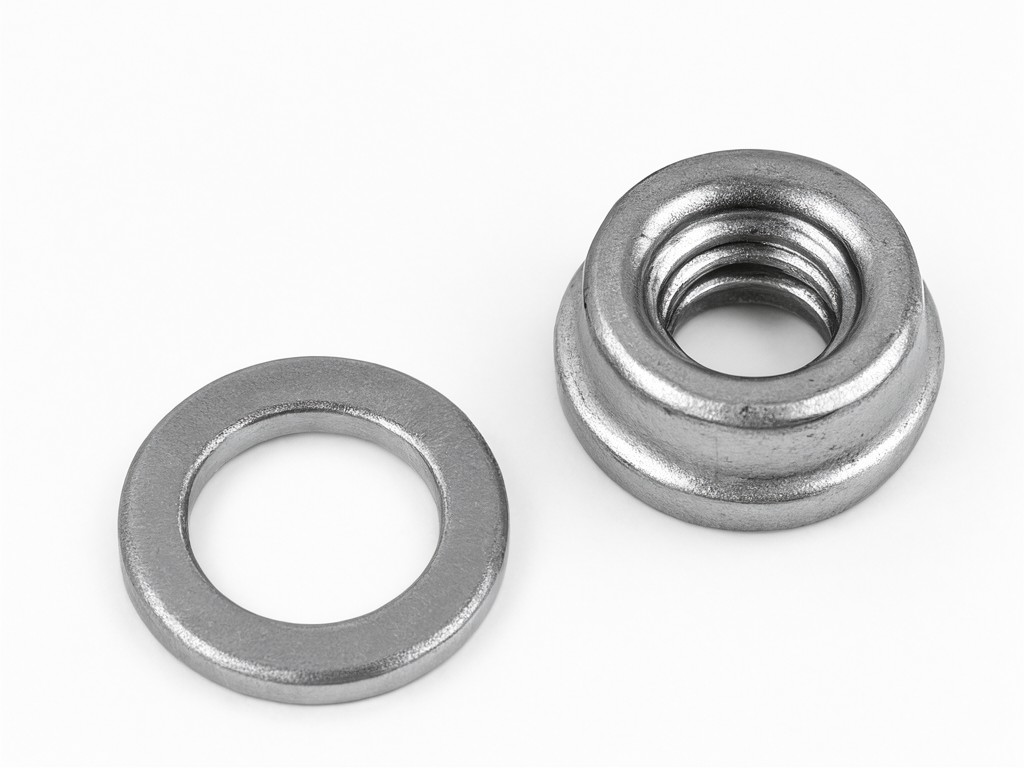
Joint performance depends on the complete assembly: bolt, nut, washer, mating material, clamp load and service conditions. A lock washer does not compensate for joint settlement or incorrect tightening. A prevailing-torque nut also needs a defined acceptance range and test method; its installation resistance is not the same as bolt preload.
For repeat production, verify the selected locking action with the actual mating hardware. That check helps keep thread engagement and hand or tool feedback consistent with the approved sample.
Material Options and Their Trade-offs
- Carbon steel suits many cost-sensitive assemblies. Specify the required strength condition and finish together; a coating change can affect both corrosion protection and thread clearance.
- Alloy steel can suit applications that call for greater strength, but heat treatment and any post-treatment coating need controlled process records and agreed inspection.
- Stainless steel is selected for corrosion exposure or material compatibility. Thread galling can be a concern in some pairings, so confirm the nut, bolt and installation method as a set.
- Electroplated zinc, zinc flake and black oxide serve different corrosion, appearance and cost requirements. Choose the finish against the service environment and specify any colour or surface condition needed for the private-label range.
A material or finish substitution should not be treated as a like-for-like change without buyer approval. It can alter dimensions, installation feel, corrosion behaviour or the inspection plan, even when the part’s external shape remains unchanged.
Segment-Specific Requirements
Distributor Reorders
For distributors replenishing a private-label range, the key requirement is repeatability against the retained sample and drawing revision. Confirm item codes, finish description, pack quantity and label fields before the first bulk run. A clear change-approval route prevents a process adjustment from appearing as an unannounced product revision.
Procurement for Assembly Operations
For production buyers supplying a repeat assembly, match the fastener to the line’s tool access, mating surface and expected installation sequence. Agree on critical dimensions and locking checks before sampling. Where installer feedback is part of acceptance, evaluate the sample with the intended bolt, tool and assembly setup rather than by appearance alone.
Quality Control and Batch Consistency
- Confirm the production drawing, revision, material and finish against the purchase specification before tooling or setup.
- Check washer dimensions and profile, plus nut dimensions, thread condition and bearing-face geometry, at the agreed inspection frequency.
- Use suitable thread gauges and agreed torque or prevailing-torque checks for the nut style. Review hardness or coating measurements where those characteristics are specified.
- Compare the finished parts with the approved sample and record lot identification so a later reorder can be traced to its production and inspection records.
Inspection limits and sampling frequency should reflect the joint’s risk and the buyer’s acceptance plan. Agreeing those details before production helps catch drift in forming, tapping, heat treatment or coating before it reaches the assembly line.
Export Packaging and Handling Protection
During export handling, mixed sizes, moisture exposure and abrasion between parts can create receiving or assembly problems. Specify whether washers and nuts ship in separate bags, paired kits or bulk cartons. Include the part number, lot reference, quantity and any private-label artwork on the agreed label format.
For coated fasteners, choose inner packaging that limits moisture and surface contact during transit, then confirm carton strength and pallet configuration against the shipping route. Artwork review should cover label dimensions, logo files, language, barcode fields and drawing revision references before printed packaging is released.
For a private-label quote, send the part drawing or approved sample, mating bolt details, material and finish requirements, inspection expectations, order quantity and packaging artwork. Request an artwork and branding review before production so labels and part identification match the approved specification.