


Custom m1 hex bolt supplier: Specification, Ordering and Quality Notes
For M1 fasteners, material and finish have to be selected against the joint environment and the mating-part limits. Stainless steel can reduce corrosion-related replacements; plated carbon steel may lower purchase cost where exposure is controlled. At this scale, coating build and tool engagement can affect fit, so approve the finished part—not only the material grade.
Material choice starts with the conditions the bolt will meet: indoor assembly, outdoor moisture, or contact with chemicals and cleaning agents. An M1 designation gives a nominal thread diameter of 1 mm, but it does not define the complete purchasing specification. The drawing should state thread pitch and tolerance, hex width across flats, head height, under-head length, thread length, material, and finish.
For retailers, distributors, and OEM buyers, the useful cost measure is the unit cost after assembly rejects, field replacement, and inventory variation. A lower-priced bolt can lose that advantage if plating interferes with a tight thread fit or if inconsistent head dimensions slow installation.
What Actually Determines Performance
In compact equipment and miniature mechanisms, assembly torque, thread engagement, and mating-part material determine whether the joint holds without damage. M1 fasteners have little margin for an oversized pilot hole, short engagement, or excessive tightening. The bolt specification should therefore be reviewed with the mating thread and installation tool, rather than in isolation.
Hex-head geometry gives a wrench a direct external drive surface, but the small across-flats dimension makes tool fit and access important. If the wrench rocks on the head, or the driver cannot approach squarely, the head may round before the joint reaches its intended clamp condition. Define an assembly torque window with the OEM and check representative assemblies using the actual tool and mating material.
Production checks can include optical measurement of head and shank dimensions, thread-gauge inspection, and visual review for burrs or finish defects. Torque checks should use the buyer’s joint and tool conditions; a bolt-only result does not capture friction changes from coatings or the receiving thread.
Materials and Construction Trade-offs
Repeated indoor assembly often favours a carbon-steel option when the joint does not face moisture and the required mechanical properties are achievable with the selected material. Where condensation, outdoor handling, or cleaning exposure is expected, stainless steel or a corrosion-protective finish may reduce service replacements. Confirm compatibility with the mating material and environment; no finish makes a joint immune to corrosion under every condition.
A typical production route forms the head and shank from wire by cold heading, then forms the thread by rolling when the design and material permit. This route suits repeat orders because it can reduce cycle cost after dedicated tooling is amortized. Very low quantities may carry a higher piece price if tooling cost is spread across fewer parts; a new head or shank geometry also needs tool review before the order is released.
| Finish and appearance | Where it fits | Purchasing and fit note |
|---|---|---|
| Passivated stainless steel; natural silver appearance | Assemblies exposed to routine moisture where a metallic appearance is acceptable | Specify the stainless grade and confirm suitability for the exposure and mating materials. |
| Zinc-plated carbon steel; clear or coloured passivation appearance | Cost-sensitive indoor or protected assemblies that need a defined finish appearance | Coating build can affect a small thread; approve finished-part fit and corrosion expectations. |
| Black oxide; dark appearance | Dry indoor applications where appearance and reduced reflectivity matter | Do not treat appearance alone as evidence of outdoor corrosion protection. |
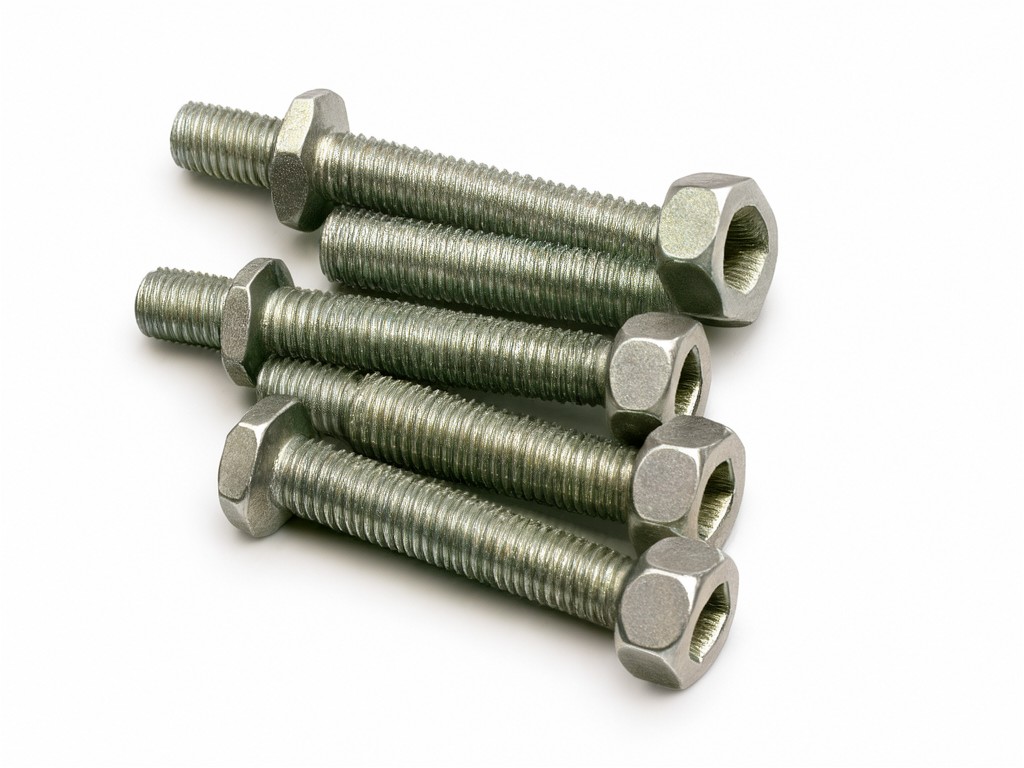
If outdoor exposure is part of the service condition, specify the expected moisture, contaminants, and maintenance routine before selecting the finish. A finish chosen only for colour can raise returns or replacement costs if its corrosion performance does not suit the installation.
Where This Product Beats Standard Alternatives
A drawing-controlled M1 hex bolt can reduce assembly adjustments when catalogue parts have the wrong head height, wrench clearance, thread length, or finish. That matters for OEMs whose assembly fixtures or enclosure clearances leave little room for a substitute. The benefit is specification fit—not an assumption that a custom part is inherently stronger than a standard fastener.
Catalogue Fastener
Useful for common dimensions and small replenishment quantities. Buyers may need to accommodate available head and thread configurations in the product design.
Drawing-Controlled Production
Useful when a repeat program depends on a specific fit or finish. Tooling and setup add cost at lower volumes, while repeat volume spreads that cost across more saleable units.
The cost comparison should include rejected assemblies, stock-keeping complexity, and the cost of carrying substitute sizes. A custom run is most compelling when the specified geometry is stable and forecast volume supports tooling amortization.
Segment-Specific Requirements
Electronics and instrument OEMs often need controlled head height and wrench access inside compact housings. Provide the mating-part drawing or verified interface dimensions so the supplier can review clearance, thread engagement, and finish fit before production tooling is committed.
Equipment makers with outdoor or damp-use assemblies should define the actual exposure rather than request “weather-resistant” hardware without context. Material, finish, contact with dissimilar metals, and maintenance all affect corrosion risk. Distributors and retail buyers also benefit from a fixed drawing revision and a consistent package label, since mixed dimensions or finishes can lead to costly picking errors.
Working as a Production Partner, Not a Catalogue Supplier
Production review begins with a controlled drawing: thread details, head dimensions, material, finish, inspection points, and any packaging or labelling requirements. A sample approval should confirm those details on the finished fastener, including fit with the mating part where practical. Later orders should reference the same approved revision so purchasing, incoming inspection, and production use one definition.
Volume changes the economics. A small first order may carry a larger tooling share per piece; repeat orders at a stable quantity can spread that charge and reduce setup interruptions. Larger volume does not remove the need for process checks, and an engineering change can require a tooling or sample review. Buyers should compare quotations on the same annual demand, release quantity, finish, and inspection scope.
For reorders, agree on batch identification and the records needed to trace material and finish lots. This gives procurement a practical route to investigate a fit or corrosion complaint without treating visually similar fasteners as interchangeable.
Export Packaging and Handling Protection
M1 fasteners are easy to mix or lose during bulk handling. Specify a pack quantity and inner-pack format that match the buyer’s receiving and line-side process. Sealed bags or divided containers can help separate sizes and finishes; clear labels should identify the part number, drawing revision, material or finish, lot, and quantity.
For export shipments, pack fasteners to limit abrasion and moisture exposure during transit, particularly where the selected finish can be marked by loose-part movement. Confirm carton strength, inner-pack count, and any retail or distributor labelling before dispatch. Packaging does not replace the need to select a finish suited to the bolt’s service environment.
Request a Quotation Review
Send the M1 drawing, material and finish preference, expected order quantities, and mating-part details for a quotation review. The supplier can assess the cold-heading and thread-rolling route, identify tooling considerations, and compare the cost impact of a pilot quantity with repeat production volume.
Submit your drawing for quotation review