


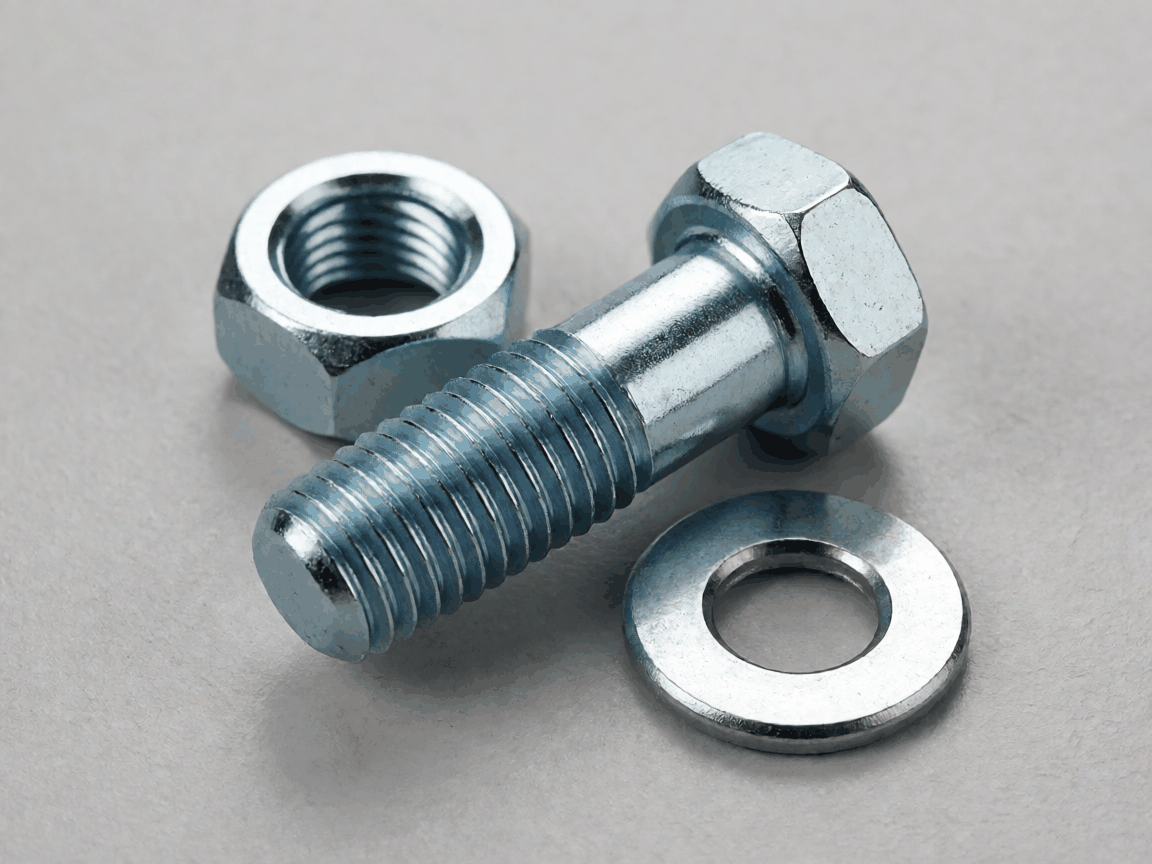
Specifying Custom m10 double end threaded stud for Wholesale and OEM Orders
Consistency is set at the forming stage: blank length, thread location and the two end configurations must follow the approved drawing. For repeat wholesale orders, cold forming the blank and rolling the threads suits recurring specifications; short runs may instead carry a higher unit cost because setup and dedicated tooling are spread across fewer pieces.
A stud that seats too deeply can reduce usable thread at the nut end, while excess projection can interfere with the attached component. The decision rule is to define overall length, each threaded length and the intended tapped-hole engagement together, then hold the first article as the reference for reorder production.
The Problem Buyers Keep Paying For
A small change in thread runout or end length can stop a stud from seating correctly in a tapped part, even when the nominal M10 diameter matches. That mismatch can lead to rework, mixed stock or a delayed assembly run. Buyers reduce that risk by locking mating details and finish into one controlled specification rather than relying on a general description.
Finish Choice and Service Conditions
| Construction or finish | Typical fit | Buyer consideration |
|---|---|---|
| Plain carbon steel | Dry, protected assemblies | Lower finish cost; specify storage and rust protection requirements. |
| Zinc-plated carbon steel | General indoor use where a plated surface is required | Confirm coating requirements and thread fit after plating with the mating nut or tapped hole. |
| Stainless steel, such as 304 or 316 | Assemblies exposed to moisture or more corrosive environments | Material choice affects price and galling behaviour; define the mating material and assembly method. |
Design Constraints Behind the Specification
The build method decides which dimensions need the closest coordination. Rolled threads suit repeat production and can provide consistent thread form, but the blank design must leave enough material at both ends for the specified thread lengths and runouts. If one end enters a tapped hole and the other takes a nut, state which end is which; equal thread lengths should not be assumed.
For plated steel, coating build can affect fit with mating threads, so the thread allowance and finish need to be reviewed as a pair. Stainless options change both material cost and assembly behaviour. A drawing that names the material, pitch, overall length, end lengths and finish gives procurement a firmer basis for comparing quotes and maintaining the same build on reorders.
Drawing rule: Dimension the stud from end to end and identify thread length separately at each end. Add the mating-hole depth or required engagement where bottoming-out is a concern.
Size, Weight and Specification Range
First-article tooling determines whether a custom length can run on the selected forming route without added operations. M10 identifies the nominal thread diameter; the usual coarse pitch is 1.5 mm, but a mating component with a different pitch requires an explicit drawing callout. Weight varies with overall length, material and end geometry, so it should be confirmed against the approved sample or calculated from the final drawing.
| Specification item | Common basis | Custom-order detail to confirm |
|---|---|---|
| Nominal thread | M10 × 1.5 mm coarse pitch is common | Specify pitch and any mating-part requirement. |
| Overall length | Set to the assembly drawing; custom lengths are quoted by configuration. | State the measurement datum and acceptable tolerance. |
| Threaded ends | Equal or unequal lengths, as required by the joint | Call out both thread lengths, runouts and intended engagement. |
| Material and surface | Carbon steel or stainless steel with a specified finish | Confirm grade, finish, corrosion exposure and thread-fit expectations. |
Capacity, Tooling and Scheduling
A new length or end configuration can require a forming setup and thread-rolling tooling review before production dates are confirmed. Larger order quantities spread those setup costs across more pieces and can lower the unit price; smaller releases reduce inventory commitment but may carry more setup cost per piece. Final timing depends on material availability, finish processing, tooling status and the approved sample.
Repeat Specification, Larger Release
A stable drawing and planned volume make it easier to amortise setup and reserve production capacity. Forecasts and consolidated releases can reduce the cost of repeated changeovers.
New Configuration, Short Run
A trial quantity limits stock exposure, but setup and sample approval take a larger share of the order cost. Confirm whether the geometry needs dedicated tooling before setting a target unit price or ship date.
Stock Availability and Reorder Planning
Stock availability depends on the exact combination of length, material, thread form and finish; an M10 stud with a different end ratio is not a direct substitute. For importers and distributors, a frozen drawing revision and reorder forecast help align raw material purchasing with production slots. Keep approved samples, finish details and packaging requirements tied to the same item reference so a repeat order does not restart specification review.
For a first order, provide the drawing, expected annual volume, target order quantity and required delivery window. That information allows the factory to quote tooling separately from piece price and recommend a sample quantity before the production release.
Request a Sample Against Your Drawing
Send the dimensioned specification and mating-part details to review the forming route, tooling needs and sample schedule before placing a wholesale order.
Request a sample and production quote