


Custom m12 double ended stud: Specification, Ordering and Quality Notes
The complaint that repeats across reorders is a stud that fits the tapped hole but leaves too little exposed thread for the nut, or loses its finish after repeated washdown. Lock the thread, length and service environment in the approved specification before production starts.
What This Product Is and Where It Fits
| Specification point | Typical custom range or basis | Buyer confirmation |
|---|---|---|
| Nominal thread | M12; coarse pitch is commonly 1.75 mm | Pitch, thread tolerance and whether both ends match |
| Overall length | Often 50–300 mm; made to drawing | State whether length is measured end to end |
| Threaded ends | Commonly 18–36 mm per end, subject to fit and engagement | Specify each end length and any plain center section |
| Indicative piece mass | About 0.08–0.09 kg per 100 mm in steel; actual mass varies with thread form and material | Confirm finished-piece mass if it affects assembly or freight calculations |
A double-ended stud joins two components where one end screws into a tapped body and the other takes a nut. Equipment-frame builders, pump and motor assemblers, and maintenance distributors specify these parts for joints that need repeatable removal or a fixed stand-off. A mismatch in thread pitch, engagement length or finish can turn a simple replacement into a rework job.
Design Constraints Behind the Specification
Thread rolling on a cut-length steel blank is a practical route for repeat custom runs. Rolled threads displace material rather than cutting across the grain; the trade-off is that blank size, thread length and setup need to match the drawing. If the part has different thread forms at each end, or a defined unthreaded center, call those features out rather than relying on a general “double-ended” description.
Material and finish should follow the assembly’s exposure, not appearance alone. Indoor dry machinery often suits zinc-plated carbon steel at a lower unit cost. Outdoor equipment or frequent cleaning may justify stainless steel; chloride-bearing cleaners and coastal exposure can still pit some stainless grades, so the exact environment matters. Abrasion at nut faces and contact points can wear a plated layer, while UV exposure has little direct effect on the steel itself but can degrade nearby organic coatings or seals.
Zinc-Plated Carbon Steel
A cost-conscious choice for dry indoor service. Confirm the plating requirement and any limits on contact with cleaning chemicals; worn or damaged coating can expose the base steel to corrosion.
Stainless Steel
A suitable option where moisture and routine washdown raise corrosion risk. Grade selection affects price and corrosion resistance; specify the grade against actual exposure, especially where chloride cleaners are used.
Drawing control: define thread pitch, tolerance, end lengths, overall length, material grade and finish on one approved drawing. A coating can alter fit at the thread, so confirm whether thread dimensions apply before or after finishing.
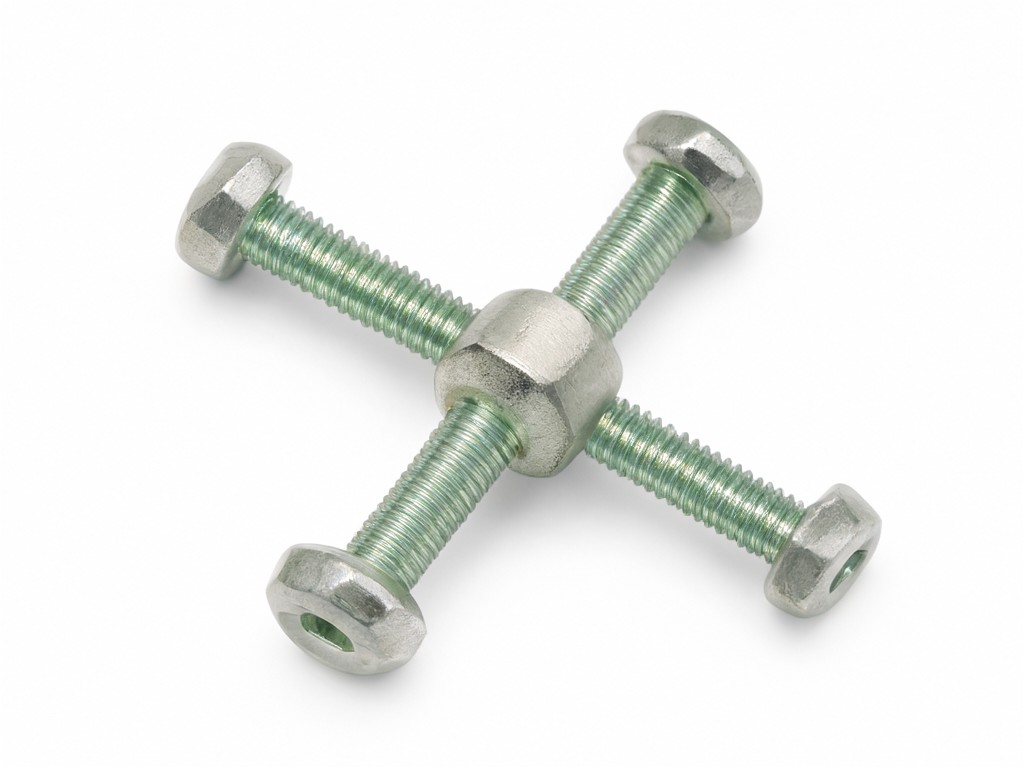
Size, Weight and Specification Range
M12 identifies the nominal thread diameter, not the complete fit. Give the mating nut or tapped-hole requirement, the thread pitch and the engagement available in the body. A longer exposed end may solve access or stack-up issues, but it also changes the stud’s unsupported length and can affect bending under side load.
For a private-label match, submit the current drawing or a measured sample and flag any dimensions that must remain unchanged. If no drawing exists, agree which end-to-end and thread measurements govern approval before a production sample is released.
What Gets Checked Before Shipment
Inspection focuses on whether the stud enters the mating part cleanly, seats to the intended depth and leaves the correct length for nut engagement. Dimensional checks cover overall length and threaded sections; thread gauges or a confirmed mating component check pitch and fit. Visual review also looks for burrs, damaged thread crests and inconsistent finish.
| Service condition | Likely wear or failure point | Useful control before release |
|---|---|---|
| Dry indoor assembly | Cross-threading or poor nut engagement | Confirm pitch, thread fit, end length and burr condition |
| Outdoor or damp storage | Corrosion at exposed threads or coating damage | Check material and finish against storage and service exposure |
| Repeated washdown or chemical cleaning | Finish attack, pitting or corrosion in crevices | Review cleaner chemistry and agree any corrosion test conditions in advance |
| Frequent assembly and removal | Thread crest wear or damage from tools | Inspect thread form and finish; test fit against the approved mating part |
Coating thickness checks or corrosion exposure tests can be added when the buyer defines the finish and acceptance basis. Salt-spray duration and pass criteria should be agreed for the specific coating; they are not interchangeable across finishes. UV, sweat and laundering are not direct qualification tests for a bare steel stud, though surrounding polymer parts and the complete assembly may need separate review.
Stock Availability and Reorder Planning
M12 is a common thread size, but a specific combination of length, end threading, grade and finish may be made to order. Repeat orders are easier to schedule when the approved drawing, finish description and inspection points stay fixed. Changes to plating, stainless grade or thread tolerance can affect setup, source material and lead time.
- Keep one revision-controlled drawing and identify the sample approved for production.
- State whether mixed lengths or finishes are permitted within one order; separate them by part number if not.
- Request batch identification when incoming inspection or reorder matching depends on traceability.
For a quotation review, send the drawing or sample, target order quantity, material and finish requirement, and destination market. Request a specification and quotation review before locking the private-label listing or reorder schedule.