


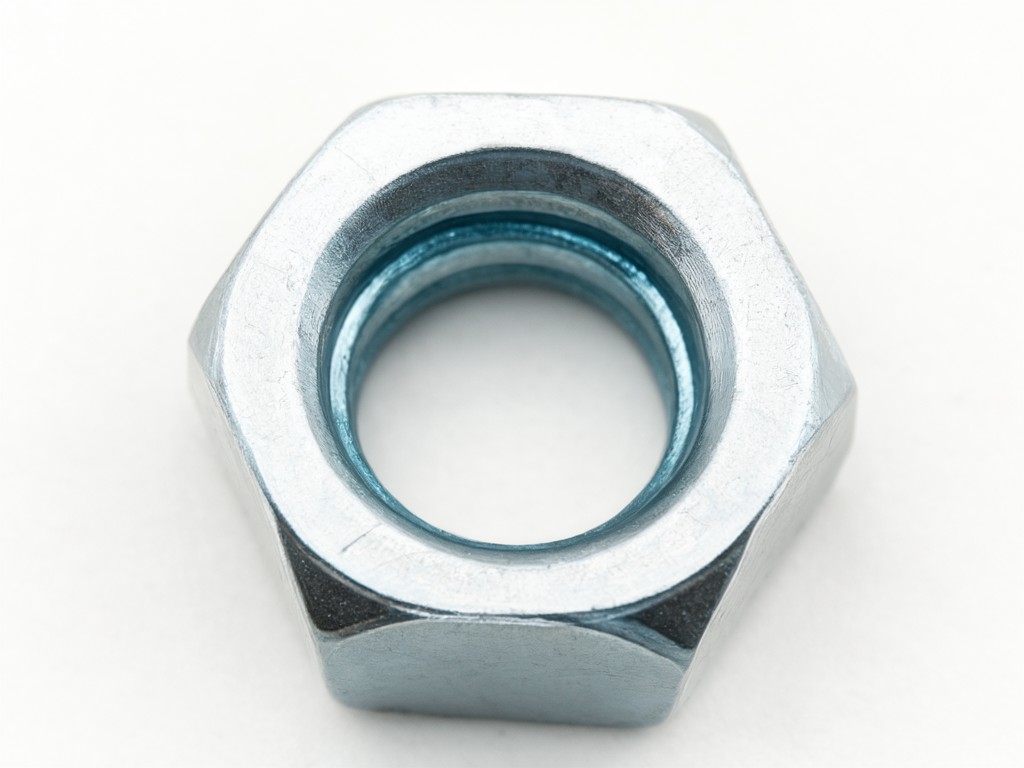
Custom m12 x 1.5 hex nut price: Specification, Ordering and Quality Notes
A nut that binds on its mating M12 x 1.5 bolt can prevent the joint from reaching its specified assembly condition. The build method decides how consistently the hex body and tapped thread hold the dimensions on the approved drawing, especially across repeat orders.
Cold heading suits repeat production because it forms the blank at volume before the internal thread is tapped and the surface is finished. A machined route may suit small quantities or unusual geometry, but its per-piece cost is generally higher. Keep the existing material, across-flats dimension, nut height, finish and thread requirements fixed; quote those first, then compare unit price against inspection and warranty exposure.
Price depends on the controlled specification. Material grade, finish, drawing tolerances, order quantity and any non-standard tooling all affect the quote. A drawing and an approved reference sample help keep the product unchanged while the factory checks process fit.
Where Cheaper Alternatives Fall Short
A lower unit price can come from a different steel grade, a thinner coating, looser dimensional control or a production route that does not suit the order quantity. Each can change thread engagement, wrench fit or corrosion behaviour. If a substitute departs from the approved drawing, the apparent saving may return as assembly delays, rejected batches or warranty claims.
For a private-label programme, inspect more than the thread pitch. Check across-flats dimension, nut height, thread fit and finish coverage against the agreed specification. Set acceptance limits before production; visual similarity alone does not establish that a replacement nut will assemble or perform the same way.
How It Is Built and What That Changes
First-article tooling determines whether the specified hex dimensions can be formed with the proposed cold-heading setup. The blank is headed, the internal M12 x 1.5 thread is tapped, and the nut receives its selected finish. Tooling condition and tap control affect dimensional repeatability; a change to blank geometry, material or finish can require a process review before the next batch.
Factory checks can include dimensional measurement of the hex and height, thread gauging with suitable GO/NO-GO gauges, and visual review of the finish. Where the application specifies a load requirement, agree the relevant test method and acceptance criteria before quotation. The factory should record the approved first article as the reference for production and reorder inspection.
Where This Product Beats Standard Alternatives
A custom order is useful when a buyer needs the existing M12 x 1.5 nut specification held across a branded product range, but standard catalogue options do not match the drawing, material or finish. It can also align inspection records and batch identification with the buyer’s own part-number system without redesigning the mating component.
The benefit depends on repeat demand. For a one-off low-volume purchase, a catalogue nut may cost less because there is no custom setup to absorb. For recurring orders, an approved specification and first-article reference reduce the chance that different production lots arrive with unnoticed changes in fit or surface treatment.
OEM and ODM Programme Structure
For OEM supply, the buyer provides the drawing or a verified sample, material and finish requirements, target quantity, and any inspection criteria. The factory reviews whether existing heading and tapping equipment can produce the dimensions as specified. If the nut matches an existing process, setup costs may be limited; non-standard geometry or tighter tolerances can add tooling, trial and inspection costs.
| Order stage | MOQ basis | Lead-time basis |
|---|---|---|
| First article or sample | Confirmed after drawing, process and sample scope review. | Depends on tooling availability, material sourcing and finish selection. |
| Initial production | Quoted against the production route, finish batch and order quantity. | Set after the approved sample and production inputs are confirmed. |
| Repeat order | May use the established production quantity if material and finish remain unchanged. | Reconfirmed against current material supply and production capacity. |
MOQ and lead time should be quoted against the actual drawing and order plan rather than treated as fixed catalogue values. An approved first article, documented inspection points and written change control give both parties a common basis for repeat production. For price comparisons, include tooling or setup charges, inspection scope and the cost of a potential out-of-spec batch—not only the per-nut figure.
Carbon Steel With Protective Finish
A practical price option when the drawing calls for carbon steel and the service environment permits the selected protective finish. Confirm the finish type and coverage requirement; coating choice can affect thread fit and must be considered during process approval.
Stainless Steel
Consider stainless steel when corrosion exposure rules out the specified carbon-steel finish. Material cost and forming behaviour differ, so keep the grade and any required surface treatment explicit in the quote. Do not substitute it without buyer approval.
Stock Availability and Reorder Planning
M12 x 1.5 is a defined thread size, but stock status does not confirm a match for a buyer’s material, across-flats dimension, height or finish. Confirm those details against the drawing before treating a catalogue item as interchangeable. Custom production is a better fit when private-label batches need a controlled specification rather than a near-match selected by thread size alone.
For repeat orders, retain the approved drawing revision, sample reference, material and finish details, and inspection record. Reconfirm the revision and quantity at each order; an unchanged part number does not prevent a supplier-side material or process change. Consolidating demand can improve the quoted unit cost, while smaller release quantities may help buyers manage inventory at a higher per-unit price.
Request a Sample and Quote
Send the drawing or reference sample, required material and finish, target order quantity, and inspection requirements. A sample request lets the factory check fit and process capability before you commit to a production batch.