


Custom m12x1 5 hex bolt Factory: What Buyers Should Check Before Ordering
Material choice starts with the conditions the bolt will meet: moisture, chemicals, temperature, joint load and the mating thread. For an M12 x 1.5 hex bolt, the 1.5 mm pitch is a fine-pitch thread, so a visually similar M12 bolt with a different pitch will not fit. Buyers seeking a private-label match should confirm material, strength class, finish and drawing details before comparing unit prices.
First check: confirm the mating component is tapped M12 x 1.5, not the more common M12 x 1.75 coarse pitch. A pitch mismatch can damage the internal thread before the fastener reaches its intended clamp load.
Where Cheaper Alternatives Fall Short
Cost and durability pull in opposite directions once a bolt enters a repeat-use assembly. A lower quote can reflect a different steel grade, coating, thread tolerance or head dimension—not just a more efficient production run. If any of those details drift from the approved sample, the buyer may face assembly delays, returns or warranty claims across an entire private-label batch.
- A coarse-pitch substitute can look right in a catalogue but will not match a 1.5 mm pitch tapped hole.
- A finish change can alter corrosion behaviour and affect thread fit, especially where coating builds up on the flanks.
- Mixed strength classes or inconsistent head markings complicate traceability and can trigger sorting or replacement costs.
How It Performs in Use
Serviceability depends on a fit between thread, joint and tightening method. The fine pitch provides more thread engagement per unit of axial length than a coarse pitch of the same diameter, but that does not by itself set a safe tightening torque. Joint material, lubrication, washer choice and the required clamp load all affect the final assembly specification.
For repeat orders, compare the delivered bolt against the approved sample for thread fit, under-head length, head dimensions, material or strength marking and coating appearance. If operators report cross-threading, premature thread wear or rust at the head and shank, investigate the mating part and installation conditions as well as the bolt batch. A single unit-price saving has little value if field sorting and replacements erase it.
How It Is Built and What That Changes
For standard steel hex bolts, production commonly starts with wire or bar stock. Cold heading forms the head, thread rolling forms the external thread, and heat treatment may follow when the specified steel strength class requires it. Stainless versions use a different material route and need process controls suited to stainless steel; they should not be treated as a direct strength-for-strength substitute for hardened carbon steel.
Each route affects price and batch control. Heat treatment adds process steps but supports specified mechanical properties; a corrosion-resistant finish adds protection but can change thread fit. For OEM repeatability, retain the approved drawing, material and finish definition, sample reference and packaging details together. Production checks can include thread ring-gauge fit, key dimensions, hardness where relevant, finish appearance and verification of head markings against the order specification.
Comparing Two Standard Configurations
Choose by exposure and required mechanical properties, not by finish name alone. These are common starting points for a buyer discussion; the approved drawing and application determine the final specification.
Hardened Carbon Steel With Zinc Finish
A practical option where the joint calls for a defined steel strength class and the environment permits a plated finish. Confirm coating specification and thread fit together; a finish that builds on the thread can affect engagement with the tapped part.
Stainless Steel
Consider stainless where the service environment makes corrosion resistance a priority. Match the stainless grade to exposure and joint requirements, then check galling risk and tightening practice; stainless is not automatically equivalent to a hardened steel strength class.
Matching the Product to the Buyer's Need
Use the selection path below to hold the private-label specification steady before requesting a sample or production quote.
- Start with the mating thread.
- If the tapped hole is M12 x 1.5, specify that pitch on the drawing and purchase order.
- If the existing assembly has not been measured, confirm pitch with the component supplier before ordering.
- Set the material and strength requirement.
- For a specified clamp load or strength class, keep the approved steel grade and heat-treatment route unchanged.
- For corrosive exposure, select a suitable stainless grade or finish, then verify it remains compatible with the joint.
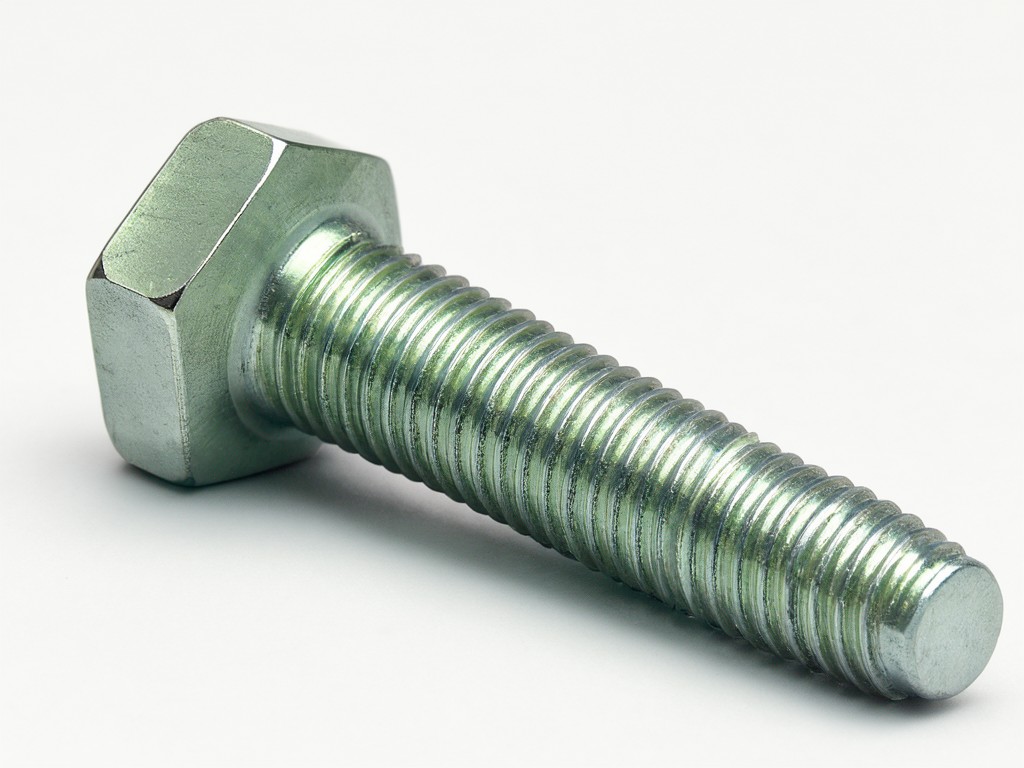
- Lock the geometry and supply details: length under head, head dimensions, thread length, marking, finish and pack quantity. Attach the same revision to sample approval and reorder documents.
Customisation Options and Their Limits
A factory can generally quote changes to length, thread length, head form, material, finish, marking and pack format. Custom geometry may require dedicated tooling or a production setup change, so a non-standard head or an unusual length can carry a higher unit cost at low volumes. Material and finish changes may also affect lead time because they alter the production route or sourcing plan.
For a matching private-label item, avoid changing several variables at once. Submit a dimensioned drawing or a physical reference sample, identify the controlled revision, and state which features may not change between batches. A logo or head mark needs a clear artwork file and placement instruction; any mark must remain legible without replacing required grade or traceability information.
Stock Availability and Reorder Planning
Availability depends on the exact combination of M12 x 1.5 pitch, length, strength class, finish and requested marking. A common material and finish may be easier to schedule than a custom marking or non-standard geometry, but stock status should be confirmed against the complete specification rather than the nominal diameter alone.
For repeat orders, share forecast quantities and reorder timing early enough for the factory to reserve material and production capacity. Keep the approved sample, drawing revision, batch identification and acceptance details on file. That record reduces the risk of a later shipment matching the size but drifting in finish, marking or pack configuration.
Packing, Marking and Freight Configuration
Packaging should protect the finish, separate batch identity and make receiving counts straightforward. Agree on inner-pack quantity, outer-carton details and label fields before production; importer requirements may include a purchase order reference, part number, batch code and country-of-origin information.
| Packing point | Buyer instruction to confirm | Why it matters |
|---|---|---|
| Inner pack | Quantity per bag or box, plus any separation needed for different lengths or finishes | Clear separation limits picking errors and makes inventory counts easier. |
| Carton label | Part number, thread pitch, quantity, batch code and buyer-specific label fields | Receiving staff can identify the correct revision and trace the shipment to its batch. |
| Freight preparation | Carton strength, palletisation, moisture protection and shipment marks as required | Suitable protection helps limit carton damage, surface marks and loss of batch separation in transit. |
Request a Sample Against Your Approved Specification
Send the drawing or reference sample, required material and finish, marking artwork, target quantity and packing instructions. The factory can review the details and quote a sample route before you commit to a repeat batch. Request a sample and discuss your M12 x 1.5 specification.