


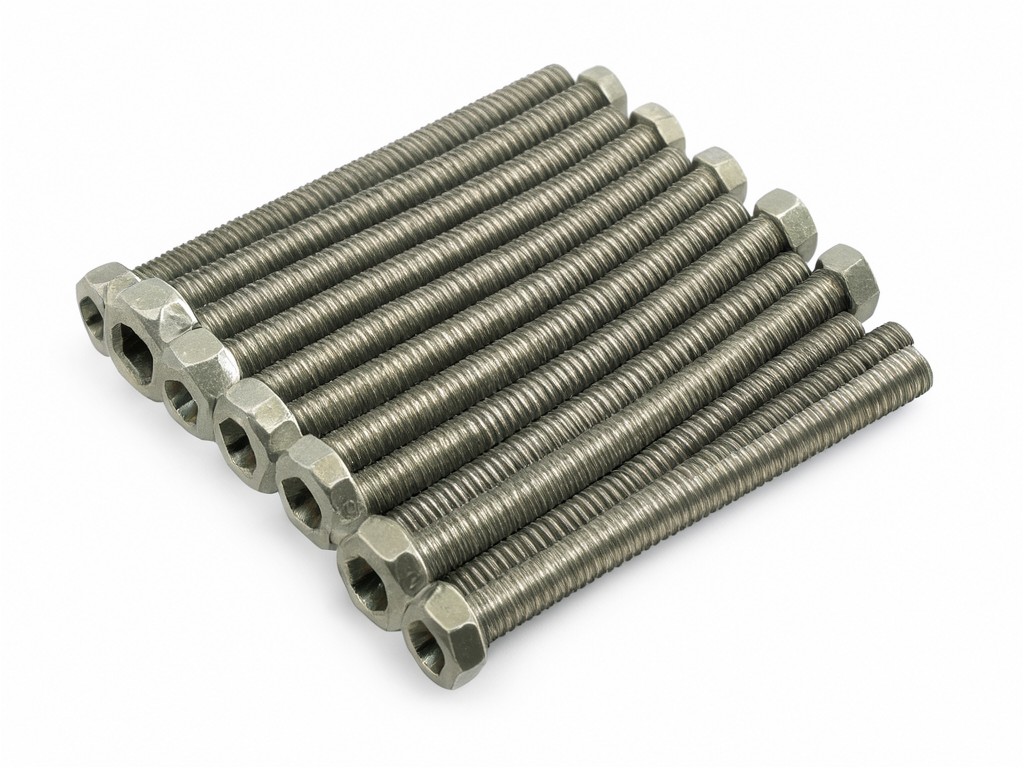
Custom m13 hex bolt supplier: What Buyers Should Check Before Ordering
What Actually Determines Performance
Cost and durability pull in opposite directions once the bolt works in a damp, corrosive, or high-load assembly. The right material and finish depend on the service environment, required clamp load, and replacement interval—not the unit price alone.
For an importer or distributor, lot consistency is a direct margin issue. A small shift in thread pitch, under-head length, or head dimensions can slow installation or prevent fit; changes in coating and piece mass can also create visible differences across reorders. Define the drawing and acceptance checks before comparing quotations, especially because M13 is not a size to source by diameter alone. The thread pitch and head dimensions must match the mating part and available tooling.
Release rule: approve a controlled drawing that states thread pitch, tolerance, length measurement point, head dimensions, material, finish, and any strength requirement. If one of these changes between purchase orders, treat it as a specification revision rather than an equivalent reorder.
Option Comparison by Usage Level
Choose a material and finish against the assembly’s exposure and load. A lower initial price can cost more per unit sold if coating wear, corrosion, or inconsistent fit increases returns.
Carbon Steel with Protective Finish
A practical cost choice for general assemblies where the specified strength and finish meet the service conditions. Zinc plating or another agreed coating can add corrosion resistance, but coating thickness and thread fit need to be checked together.
Select this route when the application is not persistently exposed to moisture or corrosive agents and the buyer can maintain finish controls across repeat lots.
Stainless Steel or Specified Alloy Steel
Stainless steel can suit assemblies where corrosion exposure drives service life, though material grade, galling risk, and mating hardware still need review. Specified alloy steel may suit higher-load applications when the required mechanical properties are documented and verified.
These choices usually carry a higher purchase price. They make commercial sense where fewer field replacements or corrosion-related returns protect the buyer’s margin.
Usage Scenarios and Buyer Segments
The service conditions and replacement pattern determine which specification pays back over the sales cycle.
- Equipment importers supplying repeat assemblies should lock the mating thread, bolt length, and finish before placing blanket orders; mixed specifications can turn a replenishment order into a sorting and returns problem.
- Distributors serving maintenance buyers need clear material and finish identification so replacement bolts match the original application rather than merely sharing a nominal diameter.
- Retail buyers handling repair or project packs should check that the wrench size, pack quantity, and product description agree with the approved sample and listing information.
- Assemblies exposed to moisture, road contaminants, or washdown need a finish or material selected for that exposure; a coating intended for dry indoor use may wear or corrode sooner in service.
For buyers comparing offers, assess cost per installed and retained unit. A stable bolt specification can reduce rework, customer complaints, and variation between the first shipment and later replenishment lots.
Export Packaging and Handling Protection
Bulk bolts can abrade one another in transit. Use packaging that limits movement and keeps the finish from rubbing through; add a moisture barrier where the route, storage conditions, or selected finish justify it. Carton labels should identify size, pitch, length, material, finish, quantity, and lot reference.
Agree the sampling and release record before shipment. The following checks help catch specification drift without implying a certification scheme or a fixed acceptance limit:
| Inspection Check | Factory Check Method | Buyer Release Basis |
|---|---|---|
| Thread pitch and fit | Pitch measurement and fit check with the agreed mating gauge or component | Approved drawing and sample; record any tolerance requirements in the order specification |
| Length and head dimensions | Dimensional measurement against the drawing | Agreed measurement points and permitted variation |
| Piece mass and lot variation | Sample weighing with lot records | Set a reference range from the approved configuration and compare reorder lots |
| Finish and appearance | Visual review; coating measurement where specified | Approved finish sample and stated coating requirements |
Setup, Use and Replacement Parts
Installation torque depends on material, finish, lubrication, and the joint design. Do not apply a torque value from a different bolt configuration; agree the assembly requirement with the responsible engineer and keep mating nuts or threaded parts consistent with the approved sample.
Thread
M13 nominal diameter; pitch and tolerance must be confirmed.
Fit
Match head dimensions to the specified tool and assembly clearance.
Mass
Set from the confirmed length, head geometry, material, and finish.
Finish
Specify coating or material, appearance, and exposure conditions.
| Specification | Order Detail to Confirm | Why It Affects Reorders |
|---|---|---|
| Nominal size and thread | M13, pitch, thread tolerance, and threaded length | A pitch mismatch can make the bolt unusable with existing components. |
| Length and head | Length measurement convention, head height, and across-flats dimension from drawing | Tool access and joint engagement depend on matching the original geometry. |
| Material and strength requirement | Named material or property requirement, plus any requested test documentation | Unrecorded substitutions can change load behaviour and buyer acceptance. |
| Piece weight and finish | Weight reference by configuration and agreed finish description | Stable references help identify lot drift before it reaches retail or assembly customers. |
Replace bolts with parts that match the approved thread, material, dimensions, and finish. During maintenance, inspect for damaged threads, head rounding, corrosion, or coating loss; a bolt that no longer seats cleanly can alter tool engagement and joint clamping.
For private-label or distributor orders, send the drawing, mating-part details, packaging mark requirements, and artwork for review before sample approval. Request an artwork and branding review to align carton labels and product identification with the approved specification.