


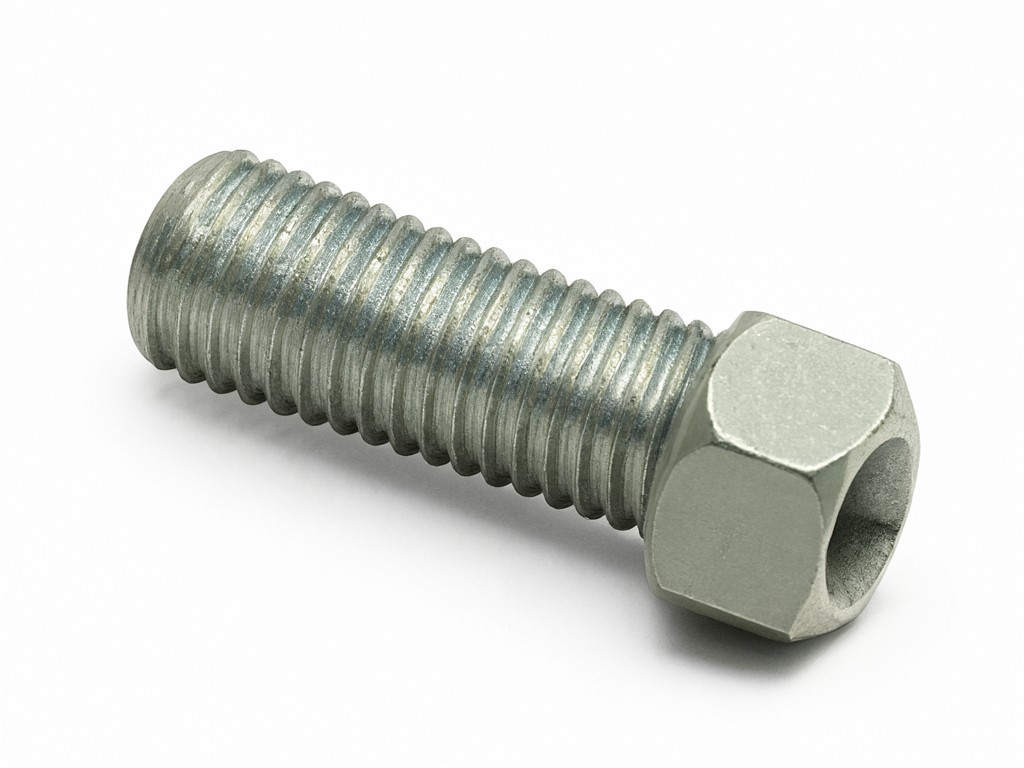
Custom m14x1 5 hex bolt Factory: What Buyers Should Check Before Ordering
Most quality disputes start with a consistency gap: a batch that differs in thread fit, head dimensions, mass or finish from the approved sample. For a private-label M14 × 1.5 hex bolt, even small variation can disrupt assembly and trigger returns across an otherwise unchanged product line.
The practical decision is to lock the drawing, material grade, coating and inspection points before production. A different steel or weather-resistant finish can change cost and corrosion behaviour, but it should not quietly change the fit your customer approved.
What Actually Determines Performance
Thread pitch, usable thread length and bearing-face geometry determine whether the bolt seats and engages as intended. M14 × 1.5 identifies a 14 mm nominal thread diameter and 1.5 mm pitch; it does not by itself define bolt length, head dimensions, material grade or coating.
Thread identity
M14 × 1.5; confirm the mating nut and engagement length against the customer drawing.
Hex drive
Across-flats size and head height must match the selected head pattern and tool clearance.
Load and environment
Specify the required property class or stainless grade, plus the exposure conditions.
Fit rule: A coating can affect thread clearance and friction at the joint. Approve the coated bolt with its intended mating part; do not treat a finish change as cosmetic only.
| Parameter | Indicative specification basis | Buyer check |
|---|---|---|
| Nominal thread | M14 × 1.5 | Confirm pitch, tolerance and mating-thread requirement on the approved drawing. |
| Length and head | Drawing-defined; head pattern, length and threaded portion vary by application. | State the measurement datum and required under-head length. |
| Indicative mass | About 55–145 g for common 30–100 mm plain-steel configurations; head style and thread length alter the result. | Set an approved sample or drawing-based mass tolerance for repeat orders. |
| Material and finish | Carbon steel or stainless options; coating selected for the service environment and fit. | Approve the grade, finish, colour and inspection requirements as one specification. |
Option Comparison by Usage Level
Choose the material and finish around the joint load and exposure, not a generic “premium” label. A corrosion-resistant option may raise unit cost or change assembly friction; the correct choice depends on the service conditions and the mating hardware.
| Configuration | Where it fits | Trade-off to check |
|---|---|---|
| Carbon steel, specified property class, with a zinc finish | General equipment and assemblies with controlled moisture exposure. | Confirm coating condition, thread fit and corrosion expectation for the actual environment. |
| Higher property-class carbon steel with a specified protective coating | Joints where the design calls for a defined strength level and outdoor exposure is also a concern. | Confirm coating compatibility with the grade and assembly process; the coating can affect friction and fit. |
| Stainless steel, with grade selected for the environment | Repeated damp or weather-exposed service where corrosion resistance is a priority. | Strength, galling risk and cost differ by grade; validate the joint and mating material before substitution. |
Assumptions Buyers Should Stop Making
A familiar thread callout does not make two bolts interchangeable. A supplier may read “M14 × 1.5 hex bolt” as a starting point, while the buyer expects a specific head, length, grade and finish from an earlier order.
- Do not assume the hex size or head height from the thread designation; list the required dimensions.
- Do not approve a finish from a colour sample alone. Coating thickness, coverage and friction also affect the joint.
- Do not use the first delivery’s average weight as the only batch limit. Set a tolerance and inspect the same defined sample plan on reorders.
- Do not assume stainless steel automatically replaces a specified carbon-steel grade; confirm strength and assembly requirements first.
The decision rule is simple: if a dimension, grade or finish affects fit or service life, put it on the controlled drawing or purchase specification.
What Can Be Customised and What Cannot
A factory can usually match a private-label drawing through controlled choices in length, head geometry, material, finish and packaging. A change to thread pitch, load requirement or mating interface is not a cosmetic variation; it needs an engineering review and a newly approved sample.
Usually Configurable
Bolt length, head dimensions, partial or full thread, steel or stainless grade, surface finish, packaging quantity, label content and batch identification can be quoted against the approved specification.
Requires Engineering Approval
Thread pitch, tolerance, property class, bearing-face geometry and coating allowance must remain tied to joint design. Any change here can affect engagement, clamp behaviour or interchangeability.
Who Uses It and Where It Matters
Wholesale buyers and product managers source this bolt for equipment makers, maintenance distributors and private-label hardware ranges. In outdoor assemblies exposed to rain or repeated wetting, coating condition and corrosion resistance affect replacement frequency; in indoor machinery, thread fit and repeatable dimensions may carry more weight in the purchase decision.
For equipment manufacturers, lot-to-lot variation can slow assembly when sockets, nuts or fixtures no longer match the approved sample. For distributors, inconsistent finish shade or package labelling can complicate stock rotation and create avoidable customer claims. Specify the actual service condition and the receiving checks your customer uses.
How Consistency Is Held Across Batches
For production volumes suited to forming, cold heading creates the head and thread rolling forms the thread; the drawing and selected material determine whether that route fits. Tool condition and setup control matter because shifts in head dimensions, thread fit or length can carry into a full lot.
A batch plan should tie inspection to the approved sample and purchase specification. Typical checks include thread ring-gauge fit, length and head measurements, visual finish review, and mass checks at an agreed sampling frequency. Hardness, tensile properties, coating thickness or corrosion testing can be added when the grade and end use call for them.
For repeat orders, retain the approved drawing revision, sample reference, material and finish details, inspection records and lot identification. That record gives both sides a fixed comparison point if dimensions, mass or appearance drift later.
Ordering, Tooling and Lead-Time Questions
What information is needed to quote an existing private-label specification?
Send the drawing or a dimensioned sample, the material grade, surface finish, order quantity, packaging details and any inspection requirements. Mark the drawing revision and identify which dimensions control fit.
Will a new head size or length require new tooling?
A length change may use existing production capability, while a non-standard head or forming profile may require dedicated tooling. The factory should review the drawing before confirming tooling charges and the production route.
How should buyers compare lead times?
Separate sample approval, tooling, material procurement, production and finishing in the schedule. A repeat order with unchanged tooling and finish usually has fewer setup steps than a first production run, but material availability and coating capacity still affect the confirmed date.
Can packaging and batch labels follow a buyer’s format?
Yes, subject to the packaging quantity and label artwork being approved before packing. Include the product identifier, drawing revision or lot reference your receiving team needs to trace each shipment.
Request a Tooling Review
Share the approved sample or drawing with the required grade, finish and batch controls. A tooling review can confirm which dimensions match existing capability and which changes affect cost or schedule.