


Specifying Custom m15 hex bolt price for Wholesale and OEM Orders
Two suppliers can quote the same M15 hex bolt specification and still deliver different service life. Head dimensions, thread fit, steel condition and coating control often explain why one batch loosens or corrodes sooner. For a second-source review, compare the drawing and inspection plan alongside unit price; a low quote based on a different pitch or finish is not a like-for-like offer.
Price basis: an M15 custom bolt quote depends on thread pitch, under-head length, material, strength requirement, finish, order quantity and inspection scope. M15 is less common than many standard metric sizes, so confirm every dimension from the drawing rather than assuming a catalogue thread or head dimension.
Assumptions Buyers Should Stop Making
| Nominal length under head | Indicative mass per bolt | Basis and control point |
|---|---|---|
| M15 × 30–60 mm | Approximately 80–125 g | Planning estimate for a steel hex bolt; head dimensions and thread form affect final mass. |
| M15 × 75–120 mm | Approximately 145–210 g | Confirm the under-head length, thread length and material density against the approved drawing. |
| M15 × 125–150 mm | Approximately 215–255 g | Longer blanks increase steel consumption and may change the forming route or production rate. |
Treat these masses as budgeting references, not acceptance limits. The quoted weight changes with across-flats dimension, head height, thread pitch, unthreaded shank length and steel grade. A drawing that says only “M15 hex bolt” leaves room for suppliers to price different parts.
- Do not assume the coarse thread pitch or hex-head dimensions without a drawing callout; M15 parts may require a specified pitch and custom head geometry.
- A quoted base-metal grade does not define strength condition, hardness range or heat treatment. Put the required mechanical properties in the purchase specification.
- Compare finish thickness and corrosion exposure requirements, not just the finish name. Coating build can affect thread fit and nut engagement.
For retailers and distributors qualifying a second source, approve a controlled sample against the same mating nut and assembly conditions used in the field. That catches thread-fit and wrench-clearance differences before a full production release.
Working as a Production Partner, Not a Catalogue Supplier
Custom geometry and a less common diameter shift the cost calculation toward process setup. A typical production route uses hot-forged blanks, followed by thread rolling and the specified heat treatment or finish where required. Dedicated forging dies carry an upfront cost; larger repeat orders spread that cost over more pieces, while a small first order can have a higher unit price and a longer setup window.
Tooling also affects reorder control. Once the die and thread tooling are approved, repeat batches can follow the retained process settings and inspection limits. A drawing revision, different head profile or changed pitch may require tooling adjustment and a fresh sample approval, so buyers should identify forecast volume and likely revisions before requesting a firm price.
First or Low-Volume Release
Tooling and setup make up a larger share of each piece. A trial lot supports fit and finish approval, but confirm its price separately from the planned production run and agree whether dedicated tooling is charged once or amortised across forecast orders.
Scheduled Repeat Volume
A stable forecast allows the factory to plan material purchases, tooling time and finishing batches. That can lower unit cost and reduce production queue time, provided the drawing, finish and inspection requirements remain unchanged.
For OEM or private-label programs, the production file can include the controlled drawing revision, approved sample reference, packing configuration and batch identification. This makes a second-source comparison useful beyond the initial quote: procurement can compare the same technical scope and reorder conditions rather than relying on a headline unit price.
Quality Control and Batch Consistency
Complaints usually surface as a nut that binds, a head that does not seat against the assembly, a bolt that stretches outside the intended joint behaviour, or coating damage that exposes the base metal. These problems are best prevented through defined inspection points rather than a visual check at dispatch.
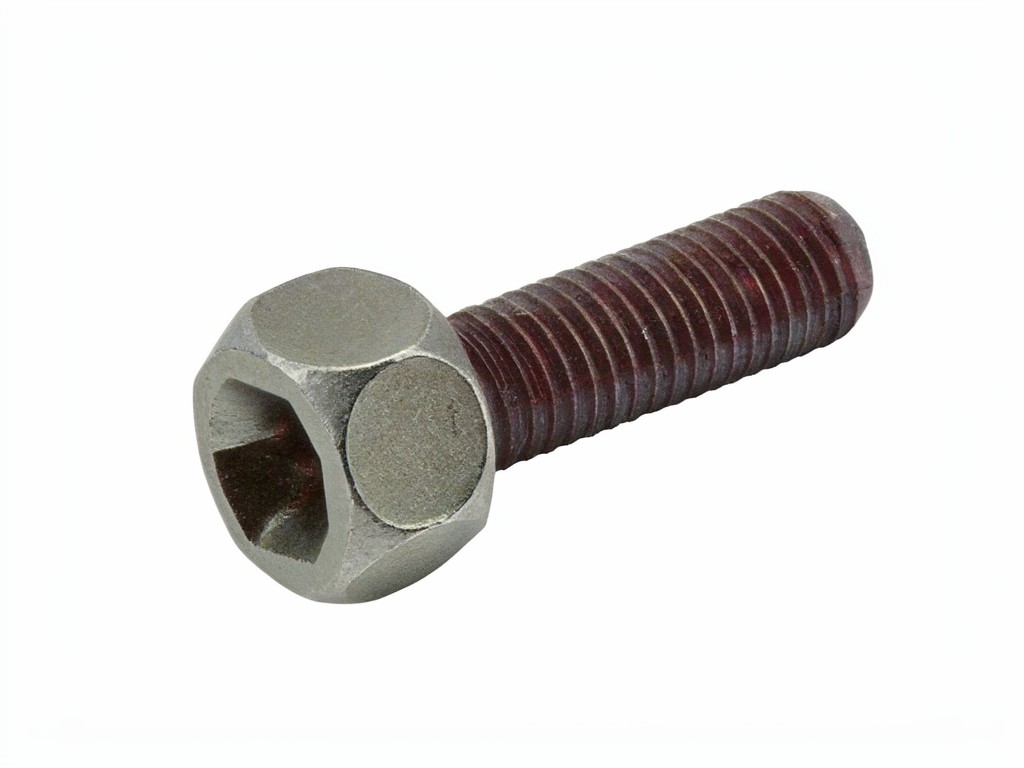
A practical control plan checks incoming steel identification, forged head dimensions, overall length, thread pitch and fit with a suitable gauge. Mechanical testing should match the agreed material and strength requirements; coating thickness and corrosion testing belong in the plan when the application calls for them. Set sampling frequency and acceptance criteria before production, since they affect both inspection cost and release timing.
Second-source checkpoint: ask for a retained approved sample, batch traceability and written disposition rules for nonconforming parts. Align the inspection method with the drawing; a thread gauge cannot replace a mechanical-property check or coating assessment.
Export Packaging and Handling Protection
Long export routes expose bulk fasteners to vibration, moisture and repeated handling. Loose bolts can rub their finish, while damp or damaged cartons can contribute to surface corrosion before stock reaches a warehouse. Specify the pack quantity, inner-bag or box arrangement, carton strength, pallet configuration and any retail label fields with the order.
| Finish option | Typical use and price effect | Specification to confirm |
|---|---|---|
| Plain or lightly oiled | Lower finishing cost; suited to protected assemblies or parts that receive a later coating. | Storage protection, oil residue expectations and packaging barrier. |
| Zinc plated | Adds finishing cost and corrosion protection for many general indoor or sheltered uses. | Coating type and thickness, colour, thread allowance and any specified corrosion test. |
| Hot-dip galvanized | Higher process and dimensional-control cost; considered for more exposed service conditions. | Coating build, thread fit after coating and matching nut requirements. |
| Black oxide | Provides a dark appearance with limited corrosion protection unless paired with an agreed protective oil. | Appearance, oil treatment and protection expectations during storage and use. |
Finish choice affects more than colour. For a coated M15 thread, confirm the mating nut and fit after finishing; for long transit or humid storage, define the packaging protection and inspection condition on arrival. This prevents a price comparison from overlooking packing materials or rework risk.
Questions Buyers Ask Before Ordering
What information is needed for a firm M15 bolt price?
Provide the drawing or full dimensional schedule, thread pitch and tolerance, material and mechanical requirements, finish, order quantity, inspection scope and packing instructions. Include forecast quantities for repeat orders so tooling amortisation and production planning can be priced transparently.
Can a supplier quote before custom tooling is made?
A budgetary quote is possible from a complete drawing and estimated volume. Final pricing and timing may change after tooling review, material confirmation and sample approval, especially if the head profile or thread details need dedicated tooling.
How does order quantity affect unit cost and lead time?
Higher repeat volume can spread setup and die costs across more pieces and support planned material purchases. A small trial order may carry a higher unit cost, while a rush request can still face tooling, forming and finishing queues. Ask for separate sample, initial production and repeat-order timing.
What should a sample approval cover?
Check critical dimensions, thread engagement with the specified nut, head seating, finish appearance and the agreed mechanical test evidence. Record the accepted drawing revision and sample reference before releasing the production order.
Request a Sample for Second-Source Qualification
Send the current drawing, target volume, finish requirement and intended application to request a sample and a comparable production quote. Include any existing supplier tolerances or known field complaints so the sample review checks the dimensions and conditions that matter to your reorder program.
Request an M15 bolt sample and quote