


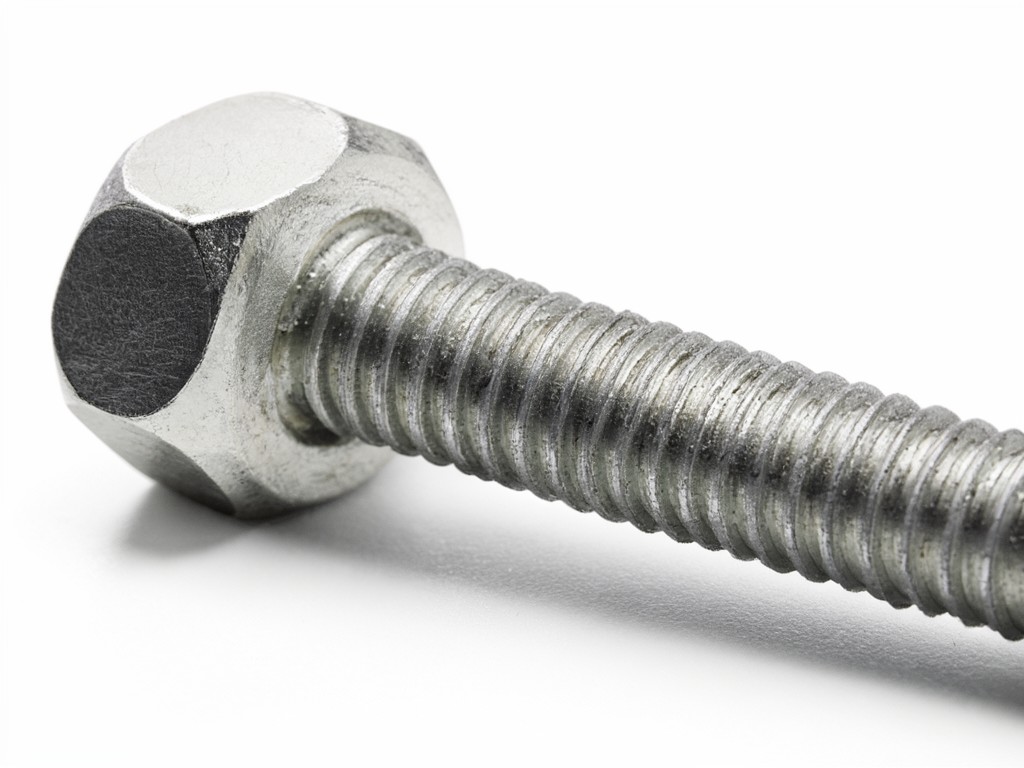
Custom m18 hex bolt Factory: What Buyers Should Check Before Ordering
What This Product Is and Where It Fits
On an outdoor machine frame that is opened for scheduled service, an M18 hex bolt must seat against the joint, take the specified tightening load, and resist the site’s moisture exposure. For an OEM buyer, the part is not just an M18 thread: grip length, thread length, property class, finish, and mating nut all affect fit and service work.
These bolts suit equipment, vehicle, and structural assemblies where a larger fastener is chosen for joint design and tool access. Installation feel depends in part on thread fit and surface friction. A coating change can alter both, so approve the finished bolt with its intended nut and tightening method rather than assessing the bare steel sample alone.
Agree the drawing, mating hardware, and exposure conditions before pricing. A cheaper finish can raise the cost per unit sold if corrosion, thread interference, or field replacement leads to claims or rejected assemblies.
How It Is Built and What That Changes
A typical production route starts with steel bar or wire stock, followed by hot forging of the head and shank, trimming, thread rolling, heat treatment where specified, and surface finishing. Hot forging suits the M18 scale and forms the head without machining it from a solid block. Thread rolling displaces material into the thread profile; the thread class and fit still need confirmation against the mating component.
Material and finish are linked decisions. Carbon steel can meet a specified property class at a lower material cost, while stainless steel may suit some wet environments but can gall under tightening. Zinc-based finishes or hot-dip galvanizing can improve weather resistance, but coating thickness affects thread clearance and nut engagement. The factory should verify dimensions after finishing, not only on an uncoated sample.
Inspection can cover across-flats dimensions, length, thread gauges, head geometry, hardness where required, and coating thickness. Salt-spray or other corrosion checks should follow the buyer’s agreed method and acceptance criteria; the result is meaningful only when the sample finish matches the production specification.
Specification Range and Customisation Limits
Use the selection path to settle the details that drive tooling, inspection, and unit cost. Final availability depends on length, steel grade, finish, and the drawing tolerances.
- Start with the joint drawing.
- If the bolt passes through unthreaded parts, specify grip length and the required thread length separately.
- If the joint relies on full thread engagement, confirm the nut, washer, and available tool clearance before freezing the length.
- Choose the material and property class from the joint load and service conditions; then select a finish that suits the exposure.
- Check the finished thread against the mating nut. If the coating changes thread fit, revise the drawing or finish specification before sample approval.
- Approve the sample dimensions, finish appearance, head marking, and any artwork before production release.
| Specification item | Typical starting point | Buyer approval point |
|---|---|---|
| Size and thread | M18; M18 × 2.5 is a common coarse-thread choice. Length and thread length are drawing-specific. | Confirm pitch, tolerance, head dimensions, overall length, and mating nut. |
| Weight range | A planning estimate is roughly 0.15–0.50 kg across common 50–200 mm lengths; head form, thread length, and finish change the finished weight. | Set a weight tolerance only after the production drawing and finish are fixed. |
| Material and strength | Carbon steel or stainless steel, with property class agreed for the application. | Specify the material grade, required mechanical properties, and any test or inspection criteria. |
| Finish and weather resistance | Select a zinc-based coating, hot-dip galvanized finish, or another agreed surface treatment for the exposure. | Approve coating thickness, appearance, corrosion test method, and finished thread fit. |
| Custom details | Head marking, non-standard dimensions, and finish colour may be reviewed against tooling and process limits. | Provide a dimensioned drawing and artwork file; approve the marked sample before release. |
Working as a Production Partner, Not a Catalogue Supplier
For a private-label or OEM order, the first control point is a complete drawing. It should identify thread pitch and tolerance, length measurement method, head dimensions, material, property class, finish, and any marking. If the drawing leaves a tolerance open, agree the value in writing before sampling; otherwise, a sample can pass visual review while still failing the assembly fit.
The sample stage should use the intended manufacturing route and finish wherever practical. Review the bolt with its mating nut and washer, inspect the finished thread, and record any accepted deviations on the approval copy. For head branding, supply vector artwork with the mark location and orientation. The approved sample and artwork then become the reference for production inspection and repeat orders.
Cost per unit sold improves when the specification prevents avoidable sorting, rework, and field-fit complaints. A narrowly controlled critical dimension can be worth its added inspection cost; a tight tolerance on a non-functional surface may add cost without changing assembly performance. Set inspection frequency around the dimensions that control fit and joint function.
Questions Buyers Ask Before Ordering
Can a standard M18 thread be changed to a finer pitch?
Yes, subject to the drawing, tooling, and mating hardware. State the pitch explicitly; “M18” alone does not define the thread. Confirm the nut and engagement requirement before the factory makes a sample.
Will a corrosion-resistant finish change tightening feel or fit?
It can. A coating affects thread clearance and surface friction, so the finished bolt should be checked with the intended nut. Agree the coating and tightening method together rather than substituting a finish after approval.
What should be included in a custom sample request?
Send the dimensioned drawing, material and property requirements, finish, inspection criteria, mating hardware details, and head-mark artwork if applicable. Identify the dimensions that are critical to fit so the sample review and production checks use the same acceptance basis.
Request a sample against your drawing before committing to the production specification. Send the M18 bolt requirements and request a sample.