


Custom m2 5 hex bolt supplier: Specification, Ordering and Quality Notes
Unit price settles the question only after the delivered lots fit the same mating parts and assemble at the same rate. For M2.5 hex bolts, small shifts in thread fit, head dimensions or finish can create sorting work, assembly stoppages and customer returns that outweigh a lower purchase price. Specify the points that affect your service cost, then compare quotations against the same drawing and inspection basis.
Measured Performance in Real Use
| Control point | Drawing and order define | Cost when left open |
|---|---|---|
| Thread and shank | Thread designation and pitch, nominal length, and full or partial thread | Mating-part mismatch, rejected assemblies or extra inspection |
| Hex head | Across-flats dimension, head height and any specified chamfer | Tool fit problems or inconsistent access during assembly |
| Mass and finish | Material grade, finish type, colour where relevant and agreed appearance limits | Lot-to-lot variation, picking errors or complaints about visible differences |
Before comparing quotations, align the inspection points as well as the nominal dimensions. Cold heading forms the hex head, and thread rolling forms the external thread; tooling condition and setup control can affect head geometry, thread form and piece mass across production lots. A stable drawing and agreed acceptance checks reduce the chance that one shipment fits differently from the last.
A bolt that passes a quick visual check can still create trouble at the assembly station. Check the mating nut or tapped hole, access for the hex tool and the joint’s specified tightening method before treating a low quote as a lower-cost supply option.
How to Choose Before Requesting a Quote
Length alone does not identify an M2.5 hex bolt. For a comparable quote, send the current drawing or a dimensioned specification and state how the bolt is used in the joint.
- Identify the thread pitch, under-head length, threaded length and end form. Confirm whether the mating part is a nut or a tapped component.
- Specify head dimensions that affect tool access, particularly across flats and head height. Avoid relying on a sample alone if the dimensions are not recorded.
- State the material grade and any strength or joint requirements. Tightening torque must come from the application design; it should not be inferred from bolt size alone.
- Name the finish and the service environment. For coated threads, account for coating build and confirm fit with the mating part.
- Set a batch acceptance plan for dimensions, thread fit, appearance and packaging before the first production order.
Higher process control can add inspection or setup cost, but it is worthwhile when the bolt feeds an automated station or supports a repeat-order product. For less frequent manual assembly, the buyer may choose a simpler check plan, provided the drawing still protects fit and function.
Usage Scenarios and Buyer Segments
OEM buyers typically specify M2.5 hex bolts for compact assemblies where tool access, thread engagement and repeatable fit matter more than a small difference in invoice price. Their cost exposure includes line interruptions and rework if a lot does not mate with existing tapped holes or nuts.
Distributors need clear part identification and consistent lots across replenishment orders. A finish shade shift or a change in head dimensions can split stock into separate saleable batches, add warehouse handling and complicate customer returns.
For either buyer, agree how production lots will be identified on cartons and packing records. Traceable lot labels help isolate a concern without holding unrelated stock.
Segment-Specific Requirements
OEM Production Buyer
For repeated assembly, prioritise thread fit, head dimensions and lot control. Provide the mating-part details and the joint’s inspection needs so the supplier can quote a process and sampling plan that match the line risk.
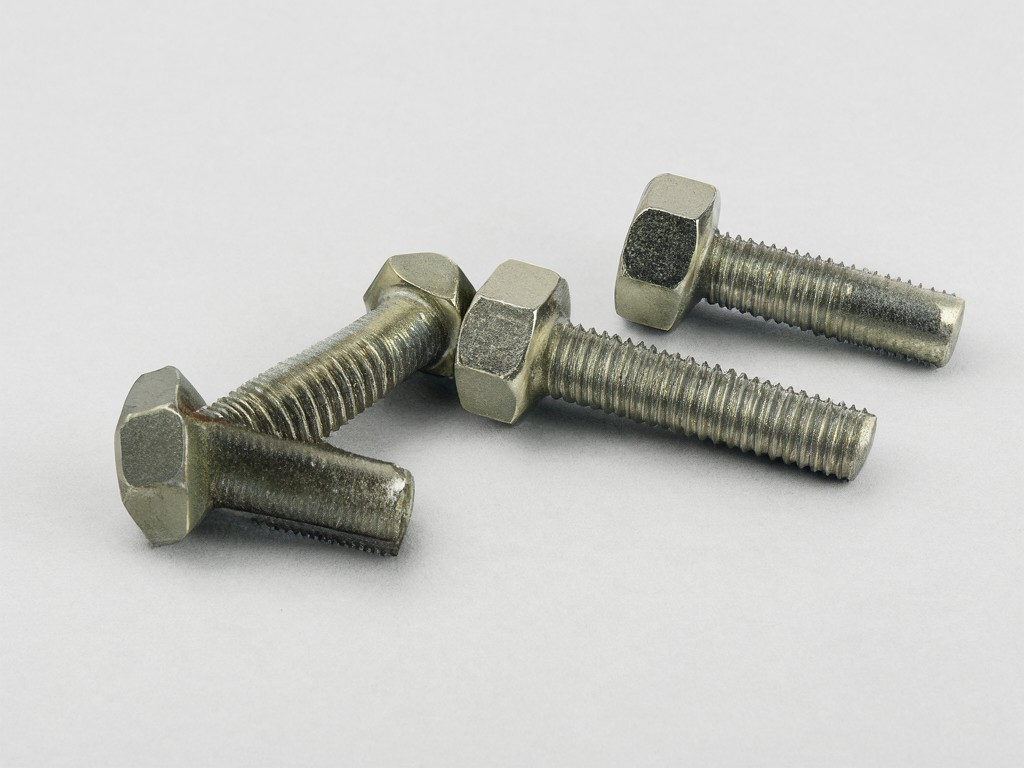
If fastener failure could damage the assembled product, set material and strength requirements from the design specification rather than choosing by price alone.
Distributor or Importer
Prioritise stable part identification, repeatable finish and packing that protects small components from loss or mixing in transit. Carton labels should connect each shipment to a part number and production lot.
A modest unit-price saving can disappear if finish variation causes mixed stock or if packaging makes accurate counting difficult.
Finish and fit need one decision. Coating can change the effective thread dimensions, while an uncoated stainless option has different material cost and assembly behaviour. Confirm the selected bolt against the mating component and the actual service environment before approving the order.
Quality Control and Batch Consistency
Cold-heading dies and thread-rolling dies are central to repeatability. Wear, setup changes or a tooling replacement can shift dimensions between lots; a supplier should link inspection records to the production lot and flag changes that may affect fit or appearance.
Agree the control plan before the order enters production. It can cover first-off approval, routine dimensional checks, finish acceptance and a documented response if results fall outside the agreed limits. For repeat orders, retain the approved drawing revision and reference sample where practical.
Colour and surface appearance can vary with finish process and batch conditions. Define acceptable appearance in the purchase specification if the bolts remain visible in the finished assembly; otherwise, visual preferences may become a dispute after delivery.
Inspection Items and Test Methods
Inspection should follow the drawing and the risks in the assembled joint. A practical plan may include:
- Dimensional checks for nominal length, head height and across-flats size, using suitable gauges or measuring equipment.
- Thread checks with the specified thread gauges, plus a fit check against the mating component where the application calls for it.
- Piece-mass sampling to detect process drift across lots; mass is a screening measure, not a substitute for dimensional or material checks.
- Visual review for burrs, damaged threads, head-form defects and finish variation against an agreed reference.
- Coating-thickness or corrosion testing only where the selected finish and service conditions require those checks. Define the method and acceptance criteria in the order documents.
- Torque or joint testing on the assembled design when needed; a generic fastener test cannot set the application’s tightening limit.
If your receiving team uses a different gauge or acceptance method from the supplier, agree the method before shipment. Matching inspection practice reduces avoidable holds and disputes over borderline results.
Questions Buyers Ask Before Ordering
What information is needed to quote an M2.5 hex bolt?
Send a drawing or specify thread pitch, length, threaded length, head dimensions, material, finish, order quantity and inspection requirements. Include mating-part details if thread fit is a critical acceptance point.
Does a smaller order always cost less overall?
Not necessarily. A smaller run can carry a higher unit price because setup and inspection costs are spread across fewer pieces. Compare the quote against expected demand, stock carrying cost and the cost of splitting orders across suppliers.
How should a finish be approved for a small threaded bolt?
Approve a sample with the intended mating part, then record the finish type and appearance limits on the order documents. For coated bolts, check thread fit after coating rather than assuming a pre-finish fit will remain unchanged.
What affects MOQ and lead time?
Tooling availability, material sourcing, finish processing and inspection scope all affect the production plan. Ask the supplier to separate any setup or tooling charges from the piece price, and confirm how repeat orders will use the approved specification.
Discuss the Drawing Before You Lock the Price
Share the drawing, target quantity and service conditions for a project review. A specification check can identify where tighter lot controls protect assembly time and reorder consistency, and where a simpler requirement may keep the delivered cost in line with your sales margin.
Discuss your M2.5 hex bolt project