


Custom m30 hex bolt Factory: Specification, Ordering and Quality Notes
How It Performs in Use
Fatigue appears first at the thread runout, under the bolt head, or at a sharp transition—not necessarily where the M30 diameter looks most substantial. Under repeated loading, a small mismatch in grip length or joint fit can concentrate stress and loosen a connection.
A larger head or longer unthreaded shank can suit a particular joint, but those choices affect clearance, mass, and the available bearing area. The working specification should therefore begin with the joint drawing and load conditions, then set length, thread pitch, shank length, material condition, and finish as a matched set.
Fit rule: confirm the mating nut, tapped hole, washer, and coating before approving the bolt drawing. A finish that builds up on the thread can change assembly fit, while a head-size change can create a clearance problem even when the nominal M30 thread is unchanged.
Comparing Two Standard Configurations
For a second-source qualification, compare the options against the actual service environment rather than treating material or finish as a standalone upgrade. Hot-forged carbon or alloy steel is commonly selected where load demand governs; stainless steel may be preferred where corrosion exposure drives the purchase, subject to the required strength and mating components.
Hot-Forged Carbon or Alloy Steel
Choose this route when the assembly needs a specified strength condition and the operating environment allows the selected protective finish. Agree heat-treatment condition and coating together; a change to either can affect thread fit and the purchase specification.
Stainless Steel
Consider stainless where corrosion exposure is the main concern and its mechanical properties suit the joint. Confirm the material grade, mating hardware, and assembly conditions on the approved drawing; stainless options are not interchangeable solely because both use an M30 thread.
Use this selection path before freezing the purchase order:
- Start with the approved joint drawing. If head clearance, grip length, or thread engagement is fixed, preserve those dimensions before comparing materials.
- Record nominal diameter, pitch, under-head length, threaded length, head dimensions, and any chamfer or radius requirements.
- If the assembly uses a special nut or tapped component, provide its mating details for fit review.
- Select material and finish against service exposure. If corrosion protection is required, confirm coating type and thread allowance rather than specifying appearance alone.
- Approve a production-representative sample against the drawing. Resolve deviations in writing before the factory releases the batch; retain the signed drawing revision and sample reference for repeat orders.
Buying Mistakes That Lead to Returns
The limiting factor is rarely the headline M30 designation. Orders are returned when the nominal diameter matches but the pitch, head dimensions, length measurement method, or thread coverage differs from the assembly requirement.
A drawing marked “M30” without a stated pitch can invite a coarse-thread assumption that does not match the installed nut. Likewise, a bolt length measured from the wrong datum can leave too little thread engagement or create interference at the back of a blind hole. Buyers qualifying a second source should compare controlled drawing revisions, not just a supplier’s catalogue description.
- Do not approve a coating by colour or trade name alone; write down the finish, coverage areas, and any dimensional allowance that affects assembly.
- Avoid changing from hot forging to a machined blank without reviewing grain flow, cost, and the agreed mechanical requirements.
- Do not mix sample approval and bulk release. Mark the approved sample and link it to a drawing revision and purchase specification.
Who Uses It and Where It Matters
Equipment manufacturers and maintenance contractors specify custom M30 hex bolts for joints where access for a spanner, clamp load, and repeat replacement matter more than a catalogue-only fit. Common orders include mounting assemblies, structural equipment connections, and machinery service parts; the actual application drawing determines the dimensions and material condition.
For importers and procurement officers, the second source has to reproduce the approved interface and finish across replenishment lots. A sample that fits once is not enough if the production order changes thread pitch, under-head length, or coating build. Provide the application load and exposure conditions where they can be shared, so the factory can flag a specification conflict before tooling or production approval.
- Machinery builders need controlled head and shank dimensions to preserve tool access and joint stack-up during assembly.
- Field-service distributors value a repeatable thread and finish specification because replacement bolts must mate with installed hardware rather than force a component change.
- Equipment buyers in wet or corrosive environments should define exposure and maintenance conditions before choosing a protective finish or stainless option.
Quality Control and Batch Consistency
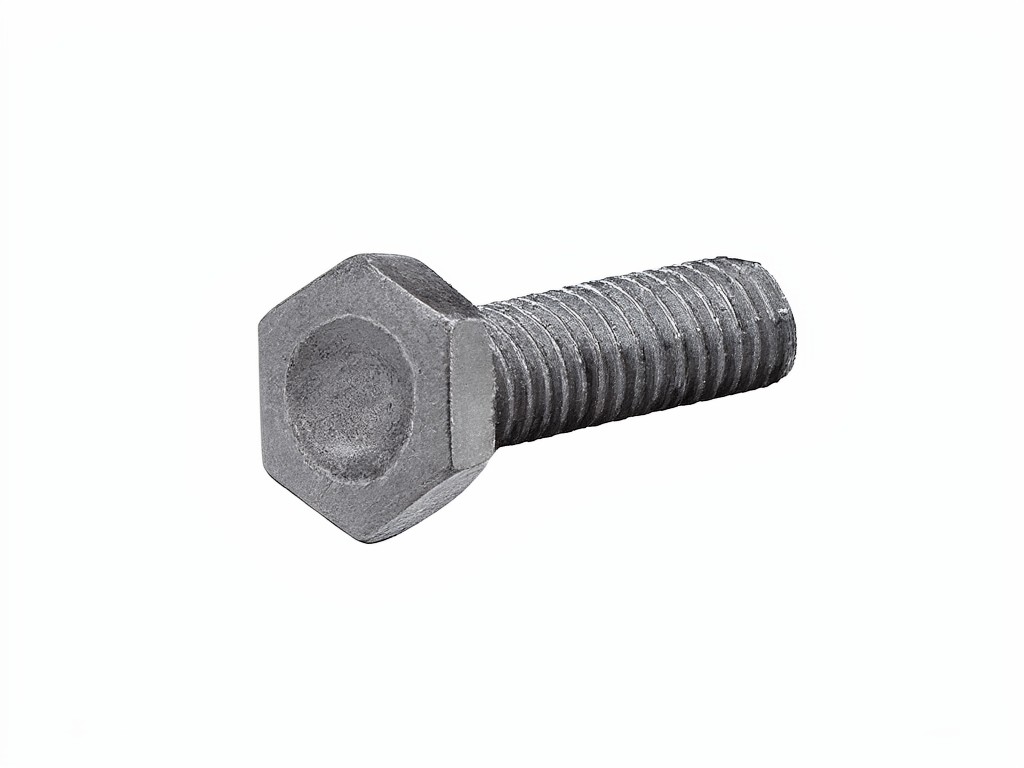
Consistency starts before the first production run: the factory and buyer need one controlled drawing, an agreed material and finish description, and a clear record of sample approval. Hot forging establishes the head and shank form; subsequent thread rolling, heat treatment where specified, and finishing must follow the approved route.
| Agreement Point | Buyer and Factory Basis | Batch Record |
|---|---|---|
| Critical dimensions | Drawing revision, tolerance limits, thread pitch, length datum, and head form | Approved drawing and agreed dimensional acceptance record |
| Material and condition | Material designation and any specified heat-treatment condition | Material identification linked to the production lot |
| Finish and thread fit | Finish type, coverage, appearance limits, and mating-part fit requirement | Finish identification and approved sample reference |
| Change control | Written approval for any material, process, drawing, or finish revision | Lot number, revision status, and retained approval record |
For repeat orders, keep the sample, drawing, and batch record tied to the same revision. If a deviation is accepted for one shipment, document whether it applies only to that lot or changes the ongoing specification.
Export Packaging and Handling Protection
M30 bolts are heavy enough for loose bulk packing to damage thread starts or rub the finish during transit. Specify inner bags or divided cartons when the coating must arrive without contact marks, and select outer cartons or pallet packing for the shipment weight and handling route.
Agree pack quantity, lot identification, carton marks, and any importer or retail labelling before dispatch. Keep different material grades or finish types segregated, and protect uncoated or corrosion-sensitive parts from moisture during storage and sea freight. Packaging approval should use the final bolt configuration, since head size and length affect carton weight and count.
Setup, Use and Replacement Parts
During assembly, use the specified mating nut or tapped component and the agreed washer arrangement. Keep the thread clean and check that the bolt seats without binding; forced engagement can damage the thread and obscure a pitch or coating mismatch. Apply tightening procedures from the equipment design rather than inferring a torque from the M30 designation alone.
For replacement supply, retain the approved drawing revision, material description, finish, and sample identifier. Recheck the installed joint if the source changes material or coating, because a visually similar bolt may differ in mechanical condition or mating behaviour. Send the assembly drawing and a sample request to request a production-representative sample before placing the first bulk order.
Sample approval: submit the latest drawing revision with thread pitch, length datum, material, finish, and packaging requirements. The approved sample and written deviation record can then serve as the reference for second-source qualification and repeat production.