


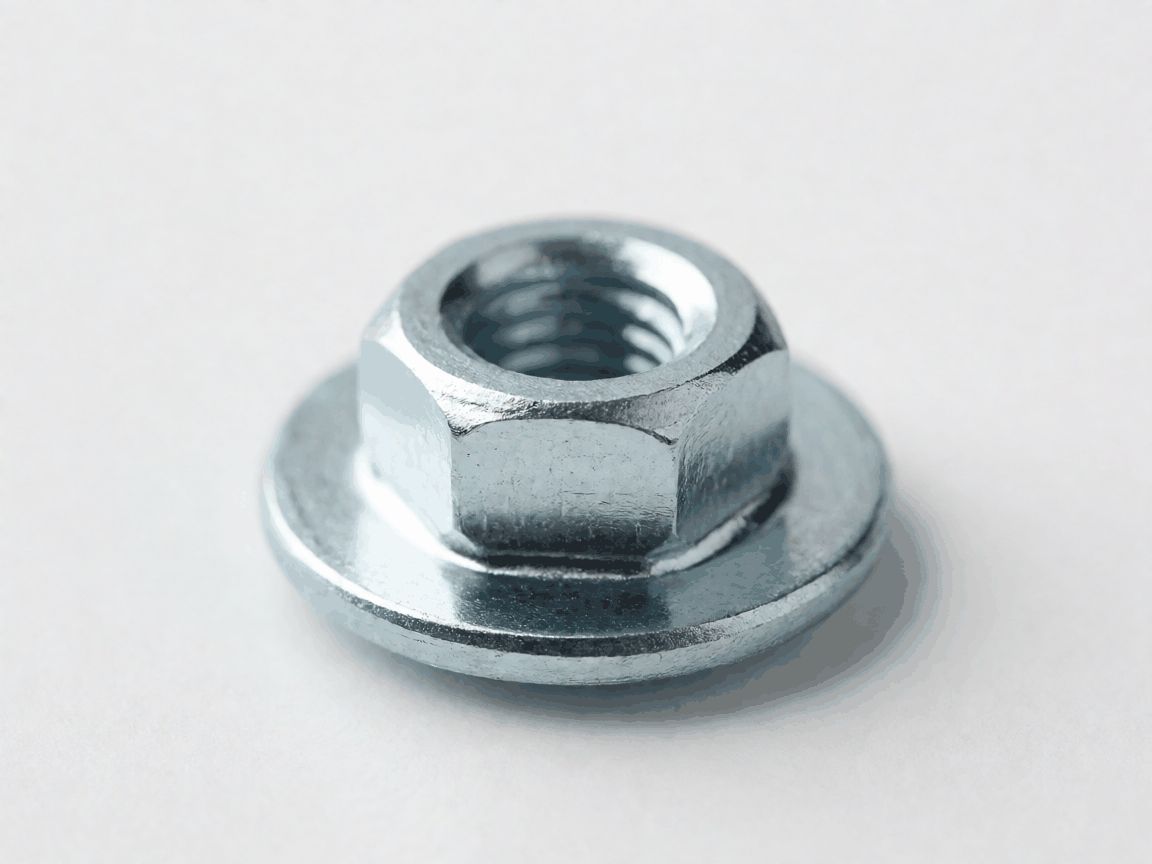
Custom m4 acorn nut Factory: What Buyers Should Check Before Ordering
Most quality disputes start with a consistency gap: one batch has a slightly different dome height, hex width, or finish from the last, and the difference shows up in assembly or customer returns. For an M4 acorn nut, the practical check is whether the supplier can hold the agreed thread, outside dimensions, material, and surface treatment from lot to lot.
A second source helps only if its parts match the approved sample and drawing. Set those acceptance points before comparing unit price.
Scope of Supply and Physical Form
An M4 acorn nut is a hex-base cap nut with an internal metric thread and a closed, domed end. It covers the exposed end of a matching bolt or stud; it is not a substitute for a sealed joint. Supply can be based on a customer drawing, an approved sample, or an agreed dimensional reference, with the thread and external form recorded for repeat orders.
Thread Basis
M4 identifies a nominal 4 mm metric thread diameter. Confirm pitch, tolerance, and required engagement against the mating bolt and drawing.
External Form
Hex across-flats, base thickness, and dome height affect tool access, appearance, and how much bolt end the cap can cover.
Lot Identity
Keep the approved drawing revision, material, finish, and batch reference together so incoming checks and reorders use the same basis.
How It Performs in Use
The hex base transfers installation torque from a wrench to the threaded joint. Once seated, the domed cap covers the bolt end and removes the exposed sharp point from normal contact. The cap’s internal depth must suit the bolt length: a bolt that bottoms against the closed end can prevent the nut from clamping the joint.
For repeat assembly, thread fit and hex dimensions matter as much as appearance. A nut that binds can slow the line or damage threads; a finish that changes between lots can make a matched assembly look inconsistent. Specify the mating fastener, installation method, and any appearance limit before sample approval.
Fit check: test the acorn nut on the actual bolt or stud. Confirm full thread engagement and clearance at the cap end; nominal thread size alone does not confirm the assembly will clamp correctly.
Materials and Construction Trade-offs
Material choice changes unit cost, corrosion behaviour, appearance, and the process controls needed at the factory. A formed and tapped part can suit repeat production; unusual dome geometry or a low-volume custom profile may need a different process and a separate cost review.
Carbon Steel with a Plated Finish
Often the cost-conscious choice for indoor assemblies. Plating adds a finish step, so define the colour and appearance sample and check the coating for coverage and visible variation across the lot.
Stainless Steel
A practical option where corrosion exposure matters or a plated appearance is not wanted. Confirm the required grade and surface condition; material selection can change forming behaviour, finish appearance, and cost.
If a custom colour or a specific sheen is part of the order, approve a production-representative sample. A finish name alone is not a sufficient control for colour consistency between suppliers.
Measured Performance in Real Use
Use the same inspection basis for qualification and reorders. Thread gauges check fit; dimensional checks cover the hex base and cap profile; sample weighing can flag a shift in material or geometry. Agree the inspection frequency and acceptance limits in advance rather than treating a visual sample as a full control plan.
| Check point | Order basis | Durability and reorder control |
|---|---|---|
| Thread | M4 nominal diameter; confirm pitch and tolerance on the drawing or purchase specification. | Check with the agreed thread gauge and mating fastener. A change in fit can create assembly delays or joint failures. |
| Hex size and cap profile | Set across-flats, base thickness, dome height, and internal depth from the approved design. | Compare measured samples with the drawing revision. Profile drift can affect tool access, bolt-end clearance, and visual match. |
| Weight | Record a sample range for the selected material and geometry; no single mass applies across custom designs. | Use lot sample weights as a process-trend check alongside dimensions, not as a replacement for dimensional inspection. |
| Material and finish | Name the material grade and finish, then retain the approved appearance sample. | Inspect for finish coverage, colour, and visible wear after the agreed exposure or handling check. |
Option Comparison by Usage Level
Choose the build against exposure and reorder volume, not appearance alone. The lower-cost route can suit controlled indoor use; harsher environments or a tighter finish match may justify added material or inspection cost.
Routine Indoor Assembly
A plated carbon-steel option can keep piece cost down where moisture exposure is limited. Hold the plating specification and appearance reference across purchase orders to reduce visible lot differences.
Moisture-Exposed or Appearance-Sensitive Use
Consider stainless steel or a separately specified finish where exposure or visible colour matching carries more cost than the material premium. Confirm the grade, surface, and acceptance sample before releasing volume.
For either route, an approved first article and retained lot records can reduce the chance that a supplier change creates a new fit or appearance baseline.
What Can Be Customised and What Cannot
Custom options can include material, finish, hex dimensions, cap height, internal depth, packaging quantity, and batch identification on the outer pack. A custom profile may require tooling review or a new sample, so confirm the expected annual volume before choosing a geometry that differs from a standard form.
- The mating thread still needs a defined pitch and tolerance; “M4” alone may not capture every fit requirement.
- The cap depth must clear the bolt end while leaving enough engagement to clamp the joint.
- Finish colour and sheen need an agreed reference. A supplier’s descriptive finish name does not guarantee a visual match.
- Small-part marking may be impractical or add cost; carton labels and lot codes are usually easier to control.
A drawing revision, material designation, finish reference, and sample approval record provide a clear basis for second-source qualification and repeat production.
Stock Availability and Reorder Planning
Stock availability depends on the exact thread, material, finish, and external dimensions. A common M4 form may be easier to source than a custom dome or special finish, but do not assume a stock item matches the approved drawing. Confirm stock status against the full part description.
For planned reorders, provide the previous purchase reference and drawing revision, then confirm whether the material and finish remain unchanged. Agree how cartons identify lot and quantity so incoming teams can trace a discrepancy without mixing batches. Where supply is intermittent, a staged release or agreed buffer quantity can reduce the risk of a production gap.
Before moving volume to a second source, compare samples from the proposed production route against the approved dimensions, thread fit, weight trend, and finish appearance. Price differences are easier to assess once both suppliers are working to the same acceptance basis.
Discuss Your M4 Acorn Nut Requirements
Share your drawing or sample, material and finish preference, estimated order quantity, and current supply issue. A project review can establish the inspection points and sample approval route for a qualified second source.