


Custom m4 bolt hex Factory: What Buyers Should Check Before Ordering
The Problem Buyers Keep Paying For
The limiting factor is rarely the headline specification. On an M4 hex bolt, variation in thread fit, head dimensions or finish can turn a low-priced fastener into assembly delays, rework and product returns. A bolt that sees repeated service or exposure to moisture and cleaning chemicals also needs a finish matched to its environment; a cheaper coating can lose protection before the fastener itself reaches its intended service life.
Fatigue appears at the stress concentration, especially where the first engaged thread meets the unthreaded shank or where a joint is over-tightened. Weight and stiffness trade off against each other through material and geometry, but M4 buyers usually pay more for dimensional control and corrosion protection than for small weight changes. Set the drawing, material and finish around the actual joint and exposure conditions; then compare cost per assembled product, not just the quoted cost per bolt.
Where This Product Beats Standard Alternatives
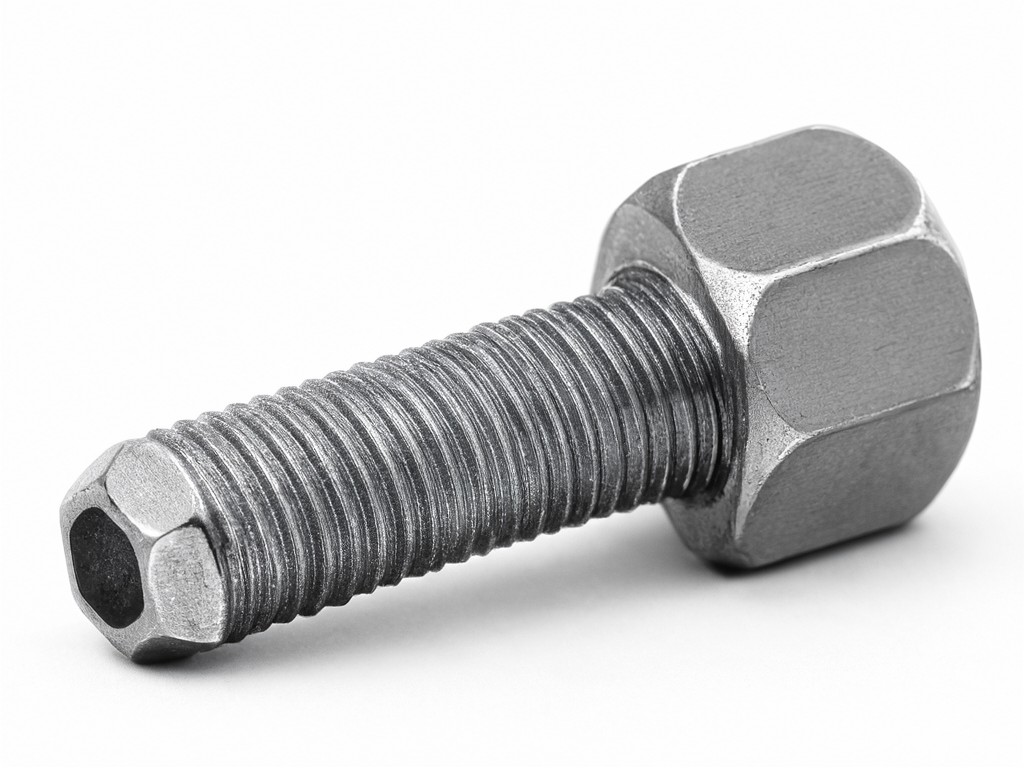
A custom M4 hex bolt is useful when a standard catalogue part forces a compromise in under-head length, thread length, head clearance or finish. Cold heading forms the head, and thread rolling produces the external thread; for repeat orders, agreed tooling and setup reduce variation in the features that govern assembly fit.
Custom geometry is not automatically the lower-cost choice. A changed head profile or non-standard length can add tooling or setup cost, so it earns its place when it removes a spacer, shortens assembly time or prevents clearance issues across production. For a standard joint with no such constraint, a catalogue bolt may cost less and arrive sooner.
Size, Weight and Specification Range
M4 identifies a nominal 4 mm thread diameter. The common coarse pitch is 0.7 mm; confirm pitch on the drawing if the bolt must mate with an existing nut or tapped hole. Specify length from beneath the head, plus the required thread length, head dimensions, material and finish. Weight follows the final geometry and material, so the approved drawing is the basis for a per-piece weight target.
Fit rule: Agree thread class, head dimensions and coating allowance together. A plated thread can differ in fit from a bare thread, so approve a finished sample against the mating part before placing a production order.
Finish colour is not a substitute for a corrosion requirement. Salt, perspiration and some cleaning agents can attack a coating or stainless surface, while abrasion at the tool contact can expose the base material. Confirm the actual exposure and any agreed inspection method before locking the finish into the specification.
| Finish and appearance | Typical use and trade-off | Buyer check |
|---|---|---|
| Zinc plated, clear or blue appearance | A common cost-conscious option for general indoor assemblies; protection depends on coating condition and exposure. | Check coating coverage, thread fit and exposure to salts or aggressive cleaners. |
| Black oxide, dark appearance | Provides a dark finish with limited corrosion protection unless the specified process includes suitable supplementary protection. | Confirm the required oil or sealer and the handling conditions after finishing. |
| Stainless steel, natural appearance | Avoids a decorative coating, but material grade and the service environment determine corrosion performance and cost. | Specify the grade and check for galling risk in the mating thread during assembly. |
Who Uses It and Where It Matters
Product manufacturers and brand teams use custom M4 hex bolts in equipment, enclosures, fixtures and packaged assemblies where a standard head or length does not fit the design. For outdoor products or equipment that sees routine wipe-downs, buyers should account for moisture, salt residue, perspiration and chemical cleaners. Those conditions influence finish choice and inspection priorities more than colour preference alone.
Wholesale and retail buyers also need a repeatable part number and pack configuration. A small per-unit saving can disappear if mixed lengths reach the assembly line, the finish varies between lots or the package label fails to distinguish a revision. Approve the part against its mating hardware and define the batch identification needed for replenishment.
OEM and ODM Programme Structure
An OEM programme starts with a controlled drawing and a confirmed sample. An ODM discussion can begin with a joint, assembly or clearance requirement, then define the bolt geometry and finish that meet it. Tooling cost, minimum order quantity and per-piece price depend on the degree of customization, material and finishing route.
Drawing-Led OEM
Use a dimensioned drawing to fix the thread, length, head geometry, material and finish. This route suits established assemblies and repeat orders where revision control matters.
Requirement-Led ODM
Share the mating-part details, access limits and service environment first. The factory can review whether a changed head, length or material solves the constraint without adding unnecessary features or tooling.
Before production, align the sample approval record, drawing revision, finish appearance and packaging label. For small custom runs, setup and tooling charges can weigh more heavily on unit economics; a forecasted reorder quantity helps compare an initial lot with a planned programme total.
How Consistency Is Held Across Batches
Cold heading and thread rolling support repeat production, but the approved drawing and inspection plan set the acceptance point. Changes in wire material, tooling condition or finishing can affect dimensions, thread fit and surface appearance. Batch checks should focus on the features that stop assembly or shorten service life:
- Verify nominal diameter, pitch, under-head length and head dimensions against the released drawing.
- Use suitable thread gauges and confirm fit with the specified mating part where the assembly requires it.
- Inspect finish coverage and appearance, with corrosion testing only where the buyer defines the method and acceptance conditions.
- Retain lot identification and the approved sample reference so a later reorder can be checked against the same revision.
Torque limits depend on material, lubrication, finish and the mating joint. A single torque value should not be transferred between configurations without checking the assembly, since excess torque can damage the thread or concentrate stress near the first engaged thread.
Stock Availability and Reorder Planning
Common M4 dimensions may be available as standard production items, while a custom head, unusual length, selected stainless grade or specified finish can require a dedicated run. Confirm current stock by exact material, length and finish rather than by thread size alone. No stock position should be assumed for a configuration that has not been identified by its complete part number.
Set reorder triggers from actual consumption and the supplier’s confirmed production and freight schedule. If demand is uneven, compare the carrying cost of a larger production lot with the setup cost and risk of a short replenishment. Keep approved samples, drawings and finish details tied to the reorder record so a lower quote does not conceal a changed specification.
Packing, Marking and Freight Configuration
Choose bulk packing for production feeding or counted inner packs for distributor and retail handling. Separate different lengths and finishes to prevent mix-ups, and protect coated parts from rubbing against one another during transit. For long-distance export, packing should also limit moisture exposure and keep cartons stable under the expected handling conditions.
Define carton quantity, inner-pack quantity, part number, revision and lot code before the first shipment. If the buyer requires a retail label or barcode, provide the approved artwork and label data in advance; marking the small bolt itself is generally less practical than traceable package identification.
Tooling review: Send the drawing or mating-part details, required finish, estimated annual volume and target pack format for a review of tooling, sample approval and reorder economics. Request a custom M4 bolt review.