


Custom m6 double ended stud price: What Buyers Should Check Before Ordering
Scope of Supply and Physical Form
Replacement rate, not unit price, sets the real cost of an M6 double-ended stud. A low quote can lose its advantage if inconsistent thread engagement or corrosion leads to field returns across a repeat order.
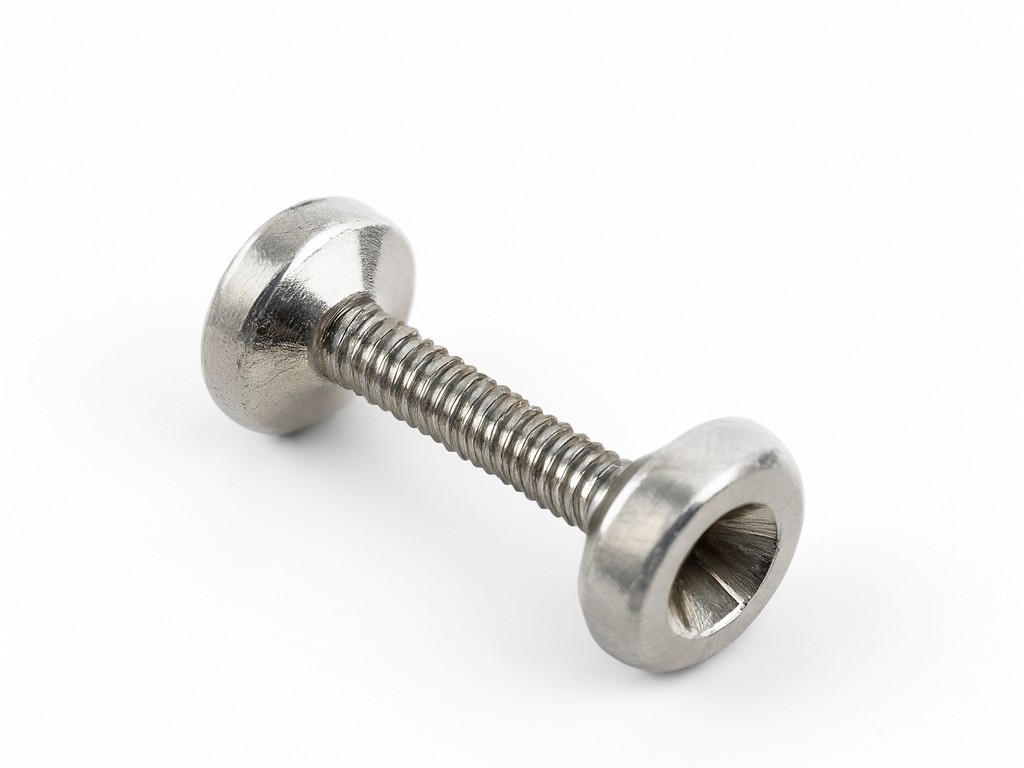
This fastener has external threads at both ends, with a plain or specified center section between them. Buyers typically set the overall length, thread lengths, material and finish against the mating parts and installation conditions. The quoted price depends on those details, order quantity, material availability and any dedicated setup or inspection requirements.
Nominal thread
M6
Thread pitch
Specify pitch; M6 × 1.0 is the usual coarse option
Main price variables
Length, grade, finish and batch size
Confirm the mating thread before costing. M6 identifies nominal diameter, not every thread detail. State pitch, thread tolerance or fit requirement, and engagement length so the sample and repeat lot match the assembly.
What Actually Determines Performance
Thread geometry and the relationship between threaded ends and center length determine whether the stud starts cleanly and seats as intended. A close match to the mating component gives a consistent assembly feel; a mismatch can create cross-threading, excess play or uneven clamp load.
A practical production route is bar-stock machining for the specified blank geometry, followed by thread rolling where the material and design permit. Rolled threads can provide a different surface and root condition from cut threads, but suitability depends on the material, geometry and buyer’s drawing. Final dimensions and thread acceptance should follow the approved drawing or sample rather than an assumed catalogue form.
For installations exposed to rain or damp storage, material and surface finish affect service life. Plated carbon steel can reduce initial purchase cost for controlled exposure; stainless steel may suit wetter service, though grade selection and contact with other metals still matter. Finish thickness can also affect thread fit, so verify the mating condition after coating.
Usage Scenarios and Buyer Segments
Equipment and assembly manufacturers choose these studs when a component needs threaded engagement at both ends, such as a bracket-to-housing connection or a panel assembly with a fixed center section. Private-label buyers also specify them for repair kits and replacement packs, where one incorrect length can drive a return even if the unit price is low.
| Usage level | Typical buyer requirement | Cost and selection trade-off |
|---|---|---|
| Indoor, occasional service | A standard material and finish, with confirmed M6 pitch and length. | A stock finish may lower the quote when exposure is limited and the mating parts are defined. |
| Frequent assembly or replacement | Repeatable overall length, thread engagement and batch identification. | A controlled drawing and sample approval add setup work but can reduce mismatch-related returns. |
| Outdoor or damp service | Material and finish selected for actual weather exposure and contact conditions. | Corrosion-resistant material can raise piece price while lowering replacement risk in exposed installations. |
Working as a Production Partner, Not a Catalogue Supplier
For OEM and private-label programs, the approved specification needs to carry across the first run and each reorder. A drawing should identify overall length, both threaded lengths, center form, pitch, material, finish and any end treatment. If a physical sample governs a feature that the drawing does not show, record that approval before production.
Tooling amortisation decides how much a custom geometry affects the first order price. Standard M6 thread tooling may already be available, while a non-standard pitch, unusual end form or dedicated fixture can add setup cost. Larger, repeatable batches spread that cost across more pieces; a one-off order carries more of it per stud.
| Customization option | Typical specification basis | Price consideration |
|---|---|---|
| Thread and size | M6 nominal diameter; pitch and thread lengths set by drawing. | Non-standard pitch or dedicated tooling may add setup cost. |
| Overall length and center section | Project-defined length, plain section, shoulder or end geometry. | Material use and machining time change with dimensions and tolerances. |
| Material and finish | Carbon steel with a specified coating, or a stainless grade selected for service exposure. | Grade, coating process and finish controls influence material and processing cost. |
| Weight and lot consistency | Weight follows the approved dimensions and material; confirm a target only when the assembly requires one. | Tighter dimensional or lot controls can require additional inspection time. |
For repeat orders, agree on the inspection points that protect fit: dimensions, thread pitch and fit, overall length, finish appearance and sample comparison. The scope should match the drawing and buyer’s risk rather than imply an unrequested test program.
Packing, Marking and Freight Configuration
Bulk packs suit assembly lines when studs are separated by part number and protected from transit abrasion. For retail replacement packs or branded kits, specify the unit count, label content, carton quantity and any private-label artwork before the packing quote is finalised.
Confirm whether each carton needs a lot or batch reference for reorder tracing. Carton dimensions and pack quantity affect freight allocation, while loose mixed-specification packing increases the risk of picking errors at receiving. A final quote should state the packing method, order quantity, destination and requested shipping terms.
Discuss Your M6 Stud Specification
Send the drawing or sample details, target batch quantity, material and finish, packing requirements and delivery destination. The project discussion can then cover setup amortisation, sample approval and the cost trade-off between unit price and repeat-order consistency.