


Specifying Custom m6 hex flange bolt Factory for Wholesale and OEM Orders
When a brand extends an existing range, a flange bolt that looks close can still cause assembly delays. A change in flange diameter, under-head length or thread fit can alter tool access and joint clamping. For private-label repeat orders, matching the approved drawing and sample usually matters more than adding a new feature.
M6 identifies a nominal 6 mm thread diameter; it does not define the head, flange, material, finish or length. Production typically uses cold heading for the bolt blank, followed by thread rolling. Those details, plus an agreed inspection plan, help keep incoming parts consistent with the buyer’s existing assembly.
Material Options and Their Trade-offs
For dry indoor assemblies, zinc-plated carbon steel is often the lower-cost choice. The coating limits routine corrosion during storage and service, while the steel grades available for production support a range of strength requirements. Where the joint faces outdoor moisture or frequent washdown, finish selection needs to account for the cleaner, exposure time and mating materials.
Carbon Steel With Zinc Finish
This option suits cost-sensitive assemblies with limited exposure to water and cleaning chemicals. A plated finish can wear at contact points during repeated tool use, so specify coating coverage and assess the assembled joint rather than relying on appearance alone. Higher-strength steel grades require a finish route suited to the selected material and its process controls.
Stainless Steel
Stainless options such as A2 or A4 can suit damp service, but they cost more and do not remove every corrosion risk. Chlorine-based cleaners and trapped residue can attack some stainless assemblies, while stainless-on-stainless threads may gall during installation. Confirm the cleaner, joint material and installation method before locking the material grade.
Finish selection rule: specify the actual exposure and cleaning agent. UV does not degrade the metal itself, but outdoor moisture, coating damage and residue can drive corrosion; packaging also needs protection from prolonged wet storage.
Specification Range and Customisation Limits
Where an existing assembly sets the envelope, confirm the drawing’s reference points before quoting: bolt length is measured from the bearing face under the head, and flange diameter affects the bearing area and clearance. Thread pitch, thread tolerance, head height and flange profile should follow the approved part definition. A standard coarse M6 thread is 1.0 mm pitch; other thread details require explicit agreement.
| Parameter | Indicative Range or Choice | Buyer Check |
|---|---|---|
| Nominal thread diameter | M6; 1.0 mm pitch is the common coarse thread | Confirm pitch and thread tolerance against the mating part. |
| Length under head | Common production lengths often fall around 10–60 mm | Check grip stack, thread engagement and clearance behind the joint. |
| Part weight | Roughly 0.6–1.8 g across the length range above for typical carbon-steel flange designs | Treat as indicative; head geometry, material and finish change the result. |
| Head and flange | Hex head with plain or serrated flange, subject to the drawing and tooling | Confirm wrench clearance, bearing face and whether serrations may mark the mating surface. |
| Material and finish | Carbon steel with agreed coating, or stainless grade selected for service exposure | Approve the material, finish appearance and corrosion exposure as one specification. |
These ranges are a quoting guide, not a substitute for a controlled drawing. Non-standard flange geometry or head proportions may require new heading tooling; a change to length or finish within existing capability may not. A signed drawing and retained sample establish the production reference.
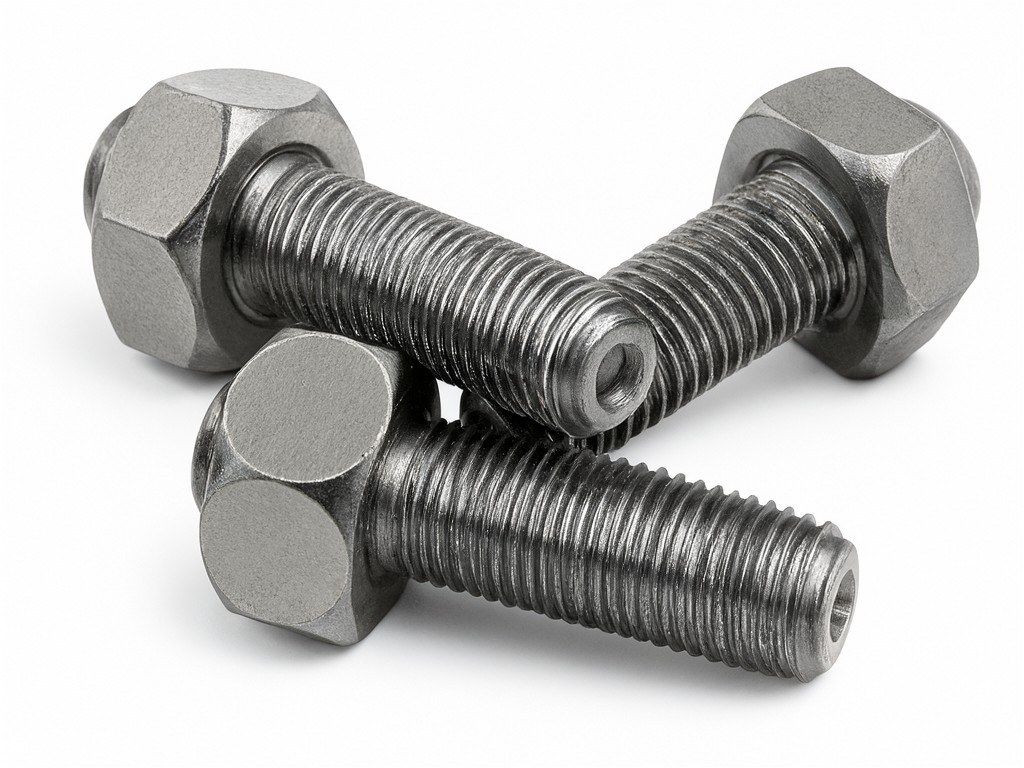
Comparing Two Standard Configurations
For an indoor equipment frame, a carbon-steel bolt with a zinc finish can meet the cost target if moisture exposure stays low and the coating remains intact at the bearing face. For an outdoor assembly that sees regular damp conditions, stainless may extend service life, but the material premium and thread behaviour need review at the intended installation torque.
Neither configuration is automatically the better match. Check the joint stack, mating material, cleaning routine and fastener removal frequency. A flange can spread bearing load, but it does not compensate for insufficient engagement or an unsuitable tightening method.
For repeat orders, hold the same approved material grade, coating route and dimensional reference. If a supplier proposes a substitution, review its effect on fit, corrosion exposure and installation torque before acceptance.
Usage Scenarios and Buyer Segments
Private-label equipment brands often use M6 flange bolts across frames, brackets and covers. The service conditions differ by assembly, so buyers should connect each bolt position to its likely failure mode rather than apply one finish across an entire product without review.
ul style="margin: 0 0 20px 0; padding-left: 24px; color: #334155;">How Consistency Is Held Across Batches
A sound batch control plan starts with the released drawing and sample, then checks the features that affect assembly and service. Thread fit, flange dimensions and finish condition deserve attention because a bolt can pass a visual review yet bind in a mating thread or lose coating at the bearing surface. Sampling frequency and acceptance limits should be agreed before the first production order.
| Service or Assembly Condition | Likely Complaint | Specification or Check to Prevent It |
|---|---|---|
| Mating thread fit on a powered assembly line | Cross-threading, binding or inconsistent installation torque | Verify thread dimensions with suitable gauges and confirm the fit with the buyer’s mating part. |
| Repeated tightening or tool contact at the flange | Coating wear, exposed substrate or damage to the bearing surface | Agree finish coverage and inspect coating condition; validate the installation method on an assembled joint. |
| Outdoor moisture or routine washdown | Surface corrosion or staining after storage or use | Select the material and finish for the stated exposure; review chemical contact and packaging conditions. |
| Repeat purchase against an approved part | Length, flange or head variation that interrupts assembly | Check critical dimensions by caliper or optical measurement and retain batch records against the released drawing. |
Material hardness or strength checks can be included when the specified grade requires them. The inspection plan should state which characteristics receive routine checks, which receive periodic verification and how nonconforming lots are identified. No test result should be assumed from the part description alone.
Discuss a repeat specification: Share the current drawing, approved sample, annual quantity, finish requirements and expected service environment. The project review can identify which dimensions need control and whether existing heading and thread-rolling tooling can match the part.
Discuss your M6 flange bolt project