


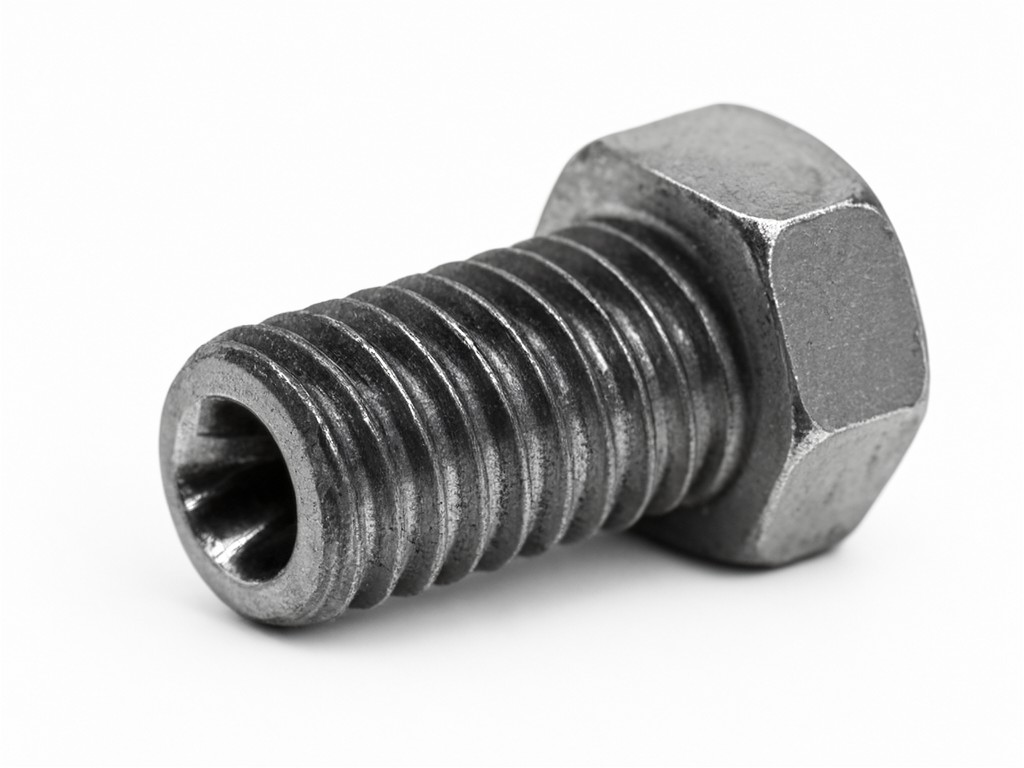
Custom m6 hex socket bolt supplier: Specification, Ordering and Quality Notes
Most quality disputes start with a consistency gap between a first order and its repeat: a socket that sits differently on the driver, a head height that changes stack-up, or a thread that feels different in the mating part. For a retailer or wholesaler qualifying a second source, matching the part name is not enough. The drawing, material condition, finish and agreed acceptance basis must describe the same part at both suppliers.
M6 socket-head fasteners are commonly cold headed, then thread rolled, with finishing selected to suit the material and service environment. Changes to head geometry, socket depth, under-head length or coating can affect tooling, unit cost and the fit of the assembly. A quote request that identifies those variables gives a second-source review a useful basis for comparison, rather than leaving the supplier to infer the design from a product label.
Design Constraints Behind the Specification
Where a bolt sits in a close-fitting recess or a repeated assembly, head diameter, head height and socket depth need to match the mating features. The M6 thread designation alone does not define those dimensions. Confirm the under-head length convention, thread coverage, end form and any non-standard head profile on the controlled drawing; otherwise, two suppliers can both quote an M6 socket bolt that does not interchange.
Cold-heading dies and thread-rolling dies are tied to the selected geometry. A standard head profile generally avoids special forming tools, while a modified head or socket can add tooling cost and setup time. For repeat business, agree which drawing revision governs production and whether the sample approval locks dimensions, finish and packaging as well as the general part description.
Specify the interface, not only the thread. State the socket drive size and depth, head dimensions, under-head length, thread pitch and required thread length. If a feature may vary, identify its allowable range on the drawing before comparing supplier prices.
Drawing and Order-Release Reference Points
| Feature | Reference to agree | Second-source impact |
|---|---|---|
| Thread form and pitch | M6 thread callout and specified pitch; coarse pitch is commonly 1.0 mm | Prevents a nominally matching bolt from binding or failing to engage the mating thread. |
| Head and socket geometry | Controlled drawing dimensions or an explicitly selected dimensional reference | Affects recess clearance, tool engagement and whether the head sits flush. |
| Material and finish | Material grade or condition, coating type, colour and any stated finish limits | Changes corrosion behaviour, appearance, process routing and cost per piece. |
| Acceptance basis | Buyer drawing and any named, applicable dimensional or material specification | Gives both sources the same basis for sample approval and repeat-order release. |
Material Options and Their Trade-offs
Carbon steel is a common starting point when the assembly needs a formed socket-head fastener at a controlled piece price. A protective finish can help manage corrosion exposure, but the coating specification adds process steps and can affect appearance and fit at the thread or socket. State the required material condition and finish together; a coating name alone may not define colour, thickness or the intended service environment.
Carbon Steel
Often suits cost-sensitive, indoor or protected assemblies. Material grade, heat treatment where required, and finish should be set against the assembly load and exposure. Adding a coating can raise unit cost but may be preferable where bare steel would discolor or corrode in storage or use.
Stainless Steel
Can be selected where corrosion resistance is a priority, but the grade must fit the exposure and mechanical requirements. Forming and thread rolling conditions differ from carbon steel, and stainless does not remove the need to define the mating material or assembly method.
For a second-source quote, avoid substituting material or finish based only on a similar trade description. Record the approved grade, finish appearance and any restrictions on substitutions so that a lower initial quote does not create a different part at reorder.
Size, Weight and Specification Range
M6 identifies the nominal thread diameter, not the full bolt envelope. Under-head lengths, socket dimensions and head form may follow a selected common configuration or a custom drawing. The mass figures below are indicative estimates for a steel socket-head form; actual mass changes with head geometry, thread length, material and finish.
| Order parameter | Typical range or reference | Quote note |
|---|---|---|
| Nominal thread | M6; coarse pitch is commonly 1.0 mm | Confirm pitch and thread length on the drawing. |
| Under-head length | Common stocked and made-to-order lengths vary by supplier; custom lengths are drawing-controlled. | Identify whether length is measured from under the head and state the required tolerance. |
| Indicative steel mass | About 5.5–8 g at 10–20 mm; 9–12.5 g at 25–40 mm; 13–17 g at 45–60 mm | Planning estimates only; confirm the drawing and material before using mass for freight or packing calculations. |
| Head and drive | Standard-form or custom head; hex socket dimensions set by the selected design | Non-standard geometry may require dedicated forming or socket tooling. |
How to Choose Before Requesting a Quote
When the goal is a qualified second source, send the same part definition and order assumptions to each supplier. A clean comparison separates part cost from tooling, setup and packing, and makes the trade-off between a standard configuration and a custom feature visible.
- Attach the current drawing revision and identify any dimensions that cannot change for assembly fit.
- State material, finish, thread pitch, under-head length, socket details and the required quantity per release.
- Ask the supplier to separate one-time tooling charges from piece price, and to quote more than one annual or release-volume scenario if demand is still being established.
- Define sample quantity, sample approval route, batch identification and the packaging unit expected for receiving and stock control.
A trial order can confirm fit and commercial handling before a full source transfer. Keep approval records tied to the drawing revision and agreed material and finish; otherwise, later releases may be quoted against a different interpretation.
Capacity, Tooling and Scheduling
Order volume changes the economics of cold heading and thread rolling. A standard configuration can often use existing tooling, so the quote is more directly tied to material, process time and packing. A custom head or altered socket may require dedicated tooling; that charge is spread across the ordered quantity, which can make a small first release carry a higher effective piece cost.
Larger, repeatable releases give the supplier more room to amortise tooling and schedule production runs with fewer changeovers. Smaller orders may have shorter material exposure but can still wait for a compatible setup or finish batch. Ask for separate sample, first production and repeat-order timing, with the assumptions stated; actual schedules depend on tooling availability, material sourcing, finish routing and order confirmation.
Standard Geometry
Using an established head and drive profile can reduce the need for dedicated forming tools. It is often the lower-cost route when the assembly has clearance for a standard configuration.
Custom Geometry
A non-standard head or socket can address a real assembly constraint, but tooling and setup costs need to be considered against expected reorder volume. Confirm ownership and storage arrangements for dedicated tooling in the purchase terms.
Export Packaging and Handling Protection
During export, loose metal parts can rub together, damage a finish or become difficult to count at receiving. Agree whether bolts ship bulk, in inner bags or in divided cartons, and state the pack quantity, net and gross weight, carton markings and any retailer or importer label requirements before production packing begins.
For a second-source program, match the existing receiving unit where practical. Consistent inner-pack quantities and batch identification reduce repacking and help purchasing teams keep lots distinct. If the finish is sensitive to moisture or abrasion, specify a suitable barrier and separation method rather than relying on a generic export-carton description.
Care, Storage and Service Life
Store bolts in closed, dry packaging and keep different materials, finishes and production lots identified. Moisture, residue from handling and contact between parts can affect appearance, particularly on finished steel. Rotate stock by receipt date and retain the lot reference if a later assembly complaint needs to be traced to a shipment.
Service life depends on the assembly load, mating thread, installation method and operating environment; the M6 designation alone does not establish a load limit. Use the specified driver engagement and the assembly design’s tightening method. If bolts are reused or removed during service, assess thread and socket condition before refitting rather than assuming the fastener remains suitable.
Request a Sample for Second-Source Review
Send the drawing revision, material and finish requirements, target release quantity and packing details. A sample request can then be tied to the same specification and commercial assumptions as the production quote.
Contact the team to request an M6 socket bolt sample and discuss sourcing options.