


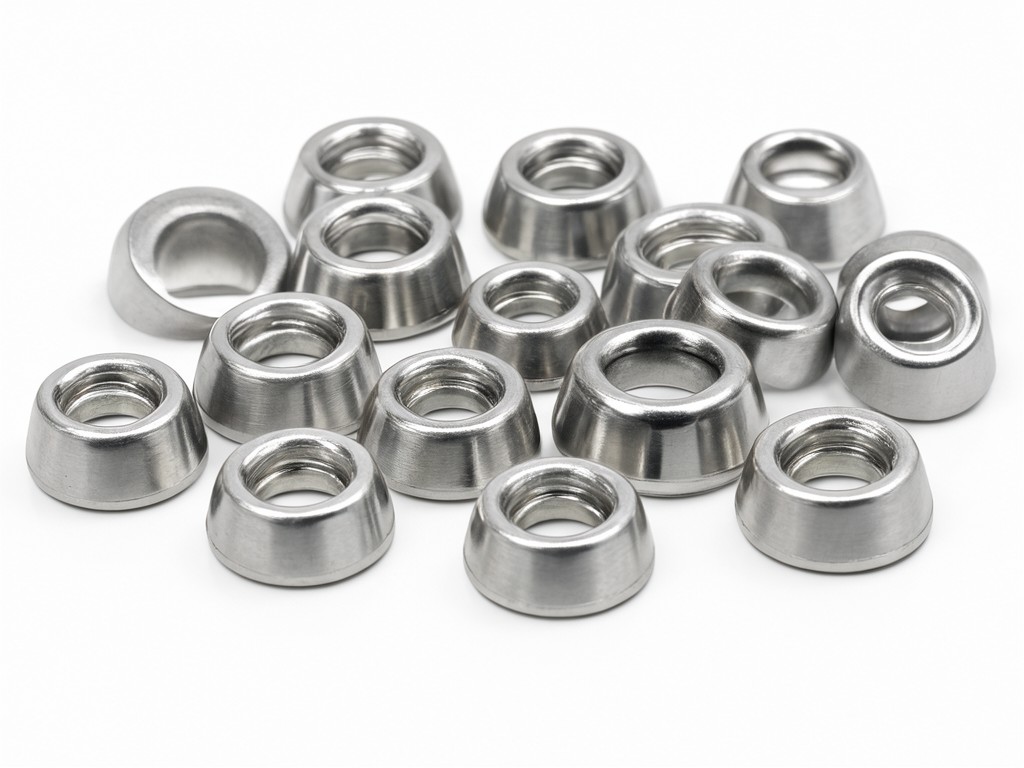
Specifying Custom m6 stainless dome nuts price for Wholesale and OEM Orders
Material choice starts with the conditions the fastener will meet. For indoor assemblies with limited moisture exposure, 304 stainless steel is often the lower-cost starting point; repeated contact with salt or chloride-rich moisture can justify 316 stainless steel, which costs more per unit. Quote the grade against the exposure and return risk, not the word “stainless” alone.
Custom M6 dome nuts are cap nuts made to cover the exposed end of a matching threaded stud or bolt. Private-label buyers and distributors typically specify them by thread fit, cap geometry, material, finish, order quantity and packing requirements. Those details determine the unit price and help prevent mismatched or visibly inconsistent reorders.
Thread
M6; confirm pitch and fit against the mating part. M6 coarse thread is commonly 1.0 mm pitch.
Material
Choose the stainless grade for the actual moisture and chloride exposure; grade affects both price and corrosion resistance.
Geometry and finish
Cap height, across-flats dimension, surface finish and any branding mark need a confirmed drawing or approved sample.
Weight and price
Weight varies with the nut body and dome dimensions. Request a sample or drawing-based weight before comparing freight-inclusive quotes.
What This Product Is and Where It Fits
A dome nut combines a threaded hex body with a closed cap. It secures a compatible stud or bolt while covering the projecting thread end. Buyers use custom versions when a standard cap height, body size, material grade or finish does not match the assembly drawing or private-label specification.
For repeat wholesale orders, the approved sample and drawing should define the same measurable features: thread, across-flats size, overall height, cap profile and finish. A low unit price has little value if a later lot has a different cap depth or thread fit that slows assembly or triggers returns.
Design Constraints Behind the Specification
Cap depth must clear the exposed thread without bottoming out before the nut clamps the joint. If the threaded stud projects farther than the internal dome allows, the nut can feel tight while the joint remains loose. Check the maximum thread projection and required engagement on the assembled product, then set cap depth with that clearance in mind.
Across-flats size controls tool access, while a taller or wider cap uses more material and can raise the quoted price. A polished appearance may also need additional finishing steps; specify the visible surface and acceptable marks rather than relying on a general finish description. If the nut will see chloride exposure, select the alloy before approving a surface finish, because finish alone does not replace the corrosion resistance of the base material.
Fit rule: approve thread engagement and dome clearance with the actual mating stud. A nominal M6 description does not define cap depth, finish, material grade or every thread-fit requirement.
Measured Performance in Real Use
Corrosion resistance and consistent fit matter more to field returns than a small difference in purchase price. Use the material comparison below as a quoting guide, then confirm the grade, dimensions and finish on the production specification. Finished weight depends on the drawing and should be recorded from the approved sample or agreed production check.
| Configuration | Size, weight and material | Use and price trade-off |
|---|---|---|
| M6 dome nut, 304 stainless steel | M6 thread; pitch to be confirmed. Body and cap dimensions per drawing. Weight varies with geometry; verify by sample or production check. | Often a cost-conscious option for general indoor use and less aggressive moisture exposure. Persistent chloride contact can increase corrosion risk. |
| M6 dome nut, 316 stainless steel | M6 thread; pitch to be confirmed. Body and cap dimensions per drawing. Weight varies with geometry; verify by sample or production check. | Higher material cost can be justified for harsher outdoor or chloride-exposed service. Confirm the environment and agree any corrosion-test method and acceptance criteria before ordering. |
For an OEM reorder, retain the approved material grade, drawing revision, finish description and sampled weight as reference points. If a supplier changes any of them, request review before production rather than treating the change as an equivalent substitution.
Buying Mistakes That Lead to Returns
Most repeat-order disputes start with a specification gap, not a complex defect. Resolve these points in the purchase order and approved sample record:
- Ordering by “M6 dome nut” alone leaves thread pitch, cap height, body dimensions and finish open to interpretation.
- Selecting 304 for regular chloride exposure to save unit cost can shift the expense to corrosion complaints, replacements and warranty handling.
- Ignoring stud projection can cause the dome to bottom out before the joint is clamped.
- Comparing quotes without matching grade, finish, quantity, packaging and inspection scope creates a price comparison that does not describe the same product.
- Approving one sample without recording its drawing revision or measurable acceptance points makes batch-to-batch variation harder to identify.
Inspection Items and Test Methods
Set inspection points from the drawing and approved sample so incoming checks can distinguish a real fit issue from normal visual variation. Match the inspection frequency to order volume, defect history and the cost of a field return.
- Use a suitable thread ring gauge or an agreed mating part to check thread fit; confirm pitch as part of the specification.
- Measure across flats, overall height and cap depth against the drawing. Check the dome clearance with the intended stud projection.
- Inspect the external finish for dents, burrs, scratches and visible batch differences under consistent lighting.
- Record sample or lot weight where weight consistency matters to packing or assembly; define the acceptable range with the supplier before production.
- For corrosion-sensitive applications, agree the exposure method, duration and acceptance criteria before any salt-spray or other corrosion test. Do not assume an unrequested test or result.
Keep lot identification linked to material records and the inspection report when the order requires traceability. The same records help a distributor separate a specification mismatch from damage that occurred after dispatch.
Capacity, Tooling and Scheduling
Standard M6 geometry is generally simpler to quote than a custom cap profile, non-standard height or special finish. Custom dimensions can require dedicated setup or tooling, so request tooling charges and ownership terms as separate quote lines where applicable.
Price breaks depend on order quantity, material availability, finishing route, inspection scope and packing format. A forecast or blanket-order schedule can support steadier supply, but confirm release quantities, price validity and approved specification revision before placing repeat releases.
Lead time should be confirmed against the selected grade, custom features, sample-approval stage and current production load. Locking the drawing and sample before the purchase order reduces schedule changes caused by late fit or finish revisions.
Export Packaging and Handling Protection
Dome surfaces can pick up scratches or dents when parts move freely in transit. Specify bulk bags, divided packaging or another agreed format according to finish sensitivity, order size and the buyer’s receiving process. Confirm carton quantity and net and gross weights for freight planning.
For private-label shipments, agree carton labels, part references, lot identification and any branding artwork before packing begins. Keep the label description aligned with the approved material and drawing so distributors can identify matching reorders without opening every carton.
Send the drawing, target quantity, stainless grade, finish reference and carton-label artwork for a quote review. Request an artwork and branding review before sample approval to align the physical finish, identification and export pack with the repeat-order specification.