


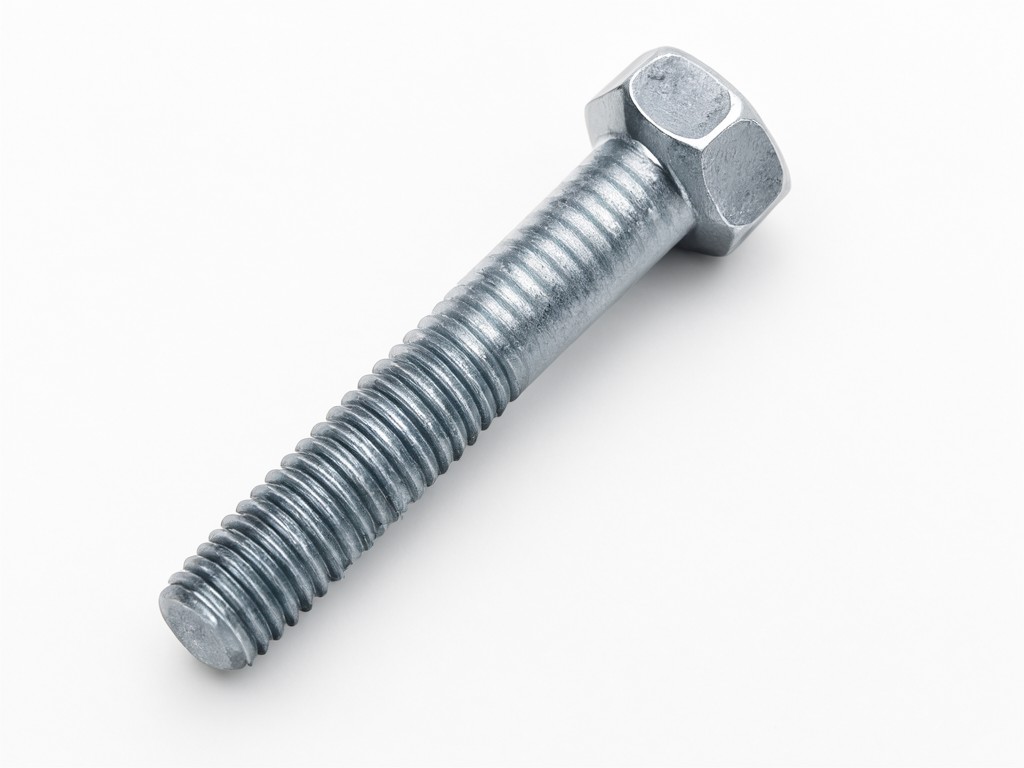
Custom m6 x 150mm hex bolt Factory: Specification, Ordering and Quality Notes
Consistency is set at the forming stage: a 150 mm bolt needs controlled blank length and straightness before the thread and final dimensions can be checked. Cold forming with thread rolling suits repeat production when the drawing, steel grade and thread configuration match available tooling. Confirm those details before quoting; changing them after sample approval can affect both price and lead time.
What Actually Determines Performance
A hex bolt transfers clamping force through the head bearing face, shank and engaged threads. In service, the practical limits are thread fit, bolt grade, joint design and the torque method—not length alone. M6 identifies the nominal thread diameter; it does not specify the material strength, pitch, thread length or coating.
Do not set tightening torque from the M6 size alone. The required torque depends on the bolt grade, surface condition, lubrication and joint materials. A finish change can alter friction and clamp load even when the bolt dimensions stay the same.
For outdoor or washdown service, select a corrosion-resistant material or a coating compatible with the exposure and the mating parts. UV has little direct effect on a bare metal bolt, while chloride-bearing cleaners, trapped moisture and abrasion can attack or wear a protective finish. Specify cleaning chemistry and storage conditions where those factors matter.
How It Is Built and What That Changes
The build method decides whether a factory can hold the required head shape and shank straightness at the requested volume. In a typical cold-forming route, prepared wire is cut to blank length, the hex head is formed, and the thread is rolled where the geometry and equipment allow. Thread rolling displaces material rather than cutting across it; a cut thread may be needed for some custom configurations, but its production route and fatigue behaviour should be reviewed against the joint requirements.
The 150 mm length makes straightness and handling during production worth checking alongside diameter. Long-part tooling capacity, thread length and head dimensions can limit the process choice. A first-off sample should confirm overall length from the bearing face, thread engagement, head dimensions and fit with the mating nut or tapped hole before a production run is released.
Checks That Catch Repeat Complaints
Dimensional inspection should cover overall length, shank diameter, thread pitch and thread length, plus head dimensions specified on the drawing. A thread gauge checks fit; a straightness check helps identify parts that may bind during assembly. Where the order requires a defined mechanical grade or coating, include the related verification method in the purchase specification rather than relying on appearance alone.
How to Choose Before Requesting a Quote
Start with the assembly constraint: confirm how the 150 mm length is measured, how much thread must engage, and whether the bolt passes through a clearance hole or enters a tapped part. M6 coarse pitch is commonly 1.0 mm, but the drawing should state the required pitch instead of leaving it to assumption. A hex head’s across-flats dimension and any property class must also be stated or tied to an approved drawing.
| Service or Assembly Condition | Complaint to Prevent | Specification to Confirm |
|---|---|---|
| Repeated assembly into a tapped M6 hole | Binding, cross-threading or loose fit | Thread pitch, tolerance class and mating-part fit; approve a sample against the actual hole or nut. |
| Long shank through a clearance hole | Poor alignment or insufficient thread engagement | Length under head, shank diameter, thread length and straightness requirement. |
| Outdoor exposure or frequent cleaning | Corrosion, finish wear or seizure during removal | Base material, coating or stainless grade, cleaning agents, and any lubrication requirement. |
| Defined clamp load or load-bearing joint | Stretch, loosening or bolt failure under service load | Mechanical property class, joint design and tightening method; do not substitute a grade by appearance. |
For a private-label match, send the current drawing or a controlled sample and identify any permitted deviations. Material and finish options can change unit cost, corrosion behaviour and torque response, so substitutions need buyer approval before production.
Keeping Repeat Orders Supplied
Stock availability depends on the specified wire grade, head and thread tooling, finish route, and order quantity. A standard configuration may use existing tooling, while a nonstandard thread length or head dimension can require setup work and a separate sample approval. Confirm current material availability at quotation; do not treat a previous production slot as a standing stock commitment.
Keep the approved drawing revision, material and finish designation, inspection points, packaging count and label details attached to the purchase order. Batch identification on cartons supports receiving checks and helps isolate a lot if a dimensional concern arises. For scheduled releases, agree the release quantity and forecast window so raw material and line capacity can be planned against actual demand.
Export Packaging and Handling Protection
Long bolts can bend or rub through their finish if they move freely inside an oversized carton. Use a pack count and inner restraint suited to the bolt length, then protect coated or corrosion-sensitive parts from moisture during transit and warehouse storage. Packaging should keep thread ends separated from hard contact surfaces; bulk packs are economical, while smaller inner packs make counting and line-side handling easier.
Before shipment, confirm carton quantity, gross weight, label language, part number and batch reference. If your distribution channel needs private-label cartons or a specific barcode layout, provide the approved artwork and label data before packing begins.
Discuss a production match by sending the drawing or sample, annual and initial quantities, material grade, thread details, finish, inspection needs and packaging instructions. The factory can review process fit and identify any tooling or sample step before a purchase order is placed.