


Custom m6 x 16mm flange bolt supplier - Bulk Supply and Specification Guide
How It Performs in Use
Cost and durability pull in opposite directions once a fastener sees moisture, perspiration or outdoor storage. A typical M6 flange bolt is cold-headed, then thread-rolled; its integral flange spreads bearing pressure across a wider area than a plain hex head of similar size. Carbon steel with a zinc finish can suit dry, controlled service, while stainless steel may make more sense where corrosion exposure drives replacement cost.
In a repeat assembly, thread engagement, flange contact and the specified tightening method affect whether the joint stays firm or develops play. That movement can create rattles or a changed feel at a handle or frame interface. Agree the mating material, washer use and torque basis before selecting the bolt; the flange does not remove the need to check joint design.
Specification checkpoint: M6 identifies nominal thread diameter, not every thread detail. State the pitch, material or property class, finish, flange dimensions and length-measurement convention on the drawing. For a 16 mm bolt, confirm that length is measured from the bearing face beneath the head to the tip.
Option Comparison by Usage Level
Usage level is a buying guide, not a substitute for the joint drawing. The finish and material decision should follow the actual exposure, mating parts and expected service interval.
| Usage level | Common material and finish direction | Trade-off and approval focus |
|---|---|---|
| Dry, controlled indoor service | Carbon steel with an agreed zinc finish | Usually the lower-cost route. Approve finish appearance, thread fit and any coating-related assembly clearance on a sample. |
| Frequent servicing or mixed storage conditions | Carbon steel finish selected against the exposure and service plan | Balance unit cost against inspection and replacement frequency. Define the acceptable finish condition and packaging before the production sample is signed off. |
| Regular moisture or corrosive exposure | Specified stainless grade or a finish confirmed for the service conditions | Material cost is higher, and the mating parts and tightening requirements still need review. Approve the grade and sample appearance before placing a volume order. |
Matching the Product to the Buyer's Need
For a second-source qualification, resolve the drawing and sample questions before comparing quoted unit prices. Use this sequence to keep a replacement bolt compatible with the existing assembly:
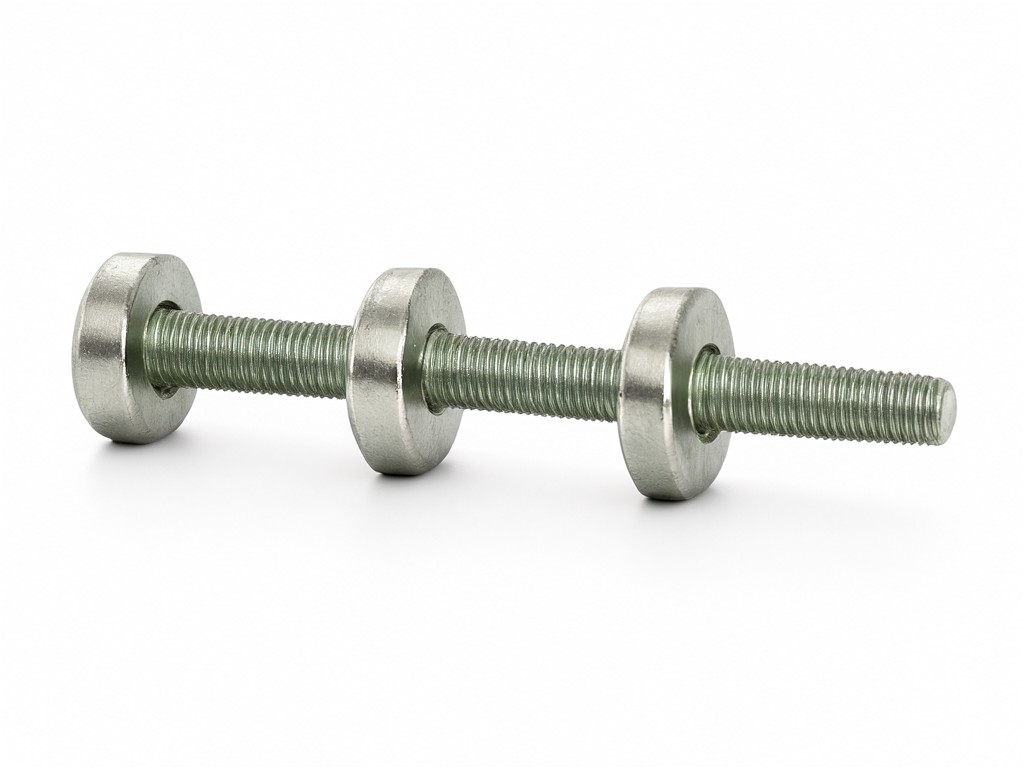
- Start with the mating part and assembly drawing.
- If the thread is specified, confirm pitch and engagement length. M6 commonly uses a 1.0 mm coarse pitch, but the purchase specification must state the required pitch.
- If the drawing is incomplete, request a measured sample and record the under-head length, flange diameter, head height and any non-standard feature before quoting.
- Next, choose material and finish against the real service condition.
- For dry indoor use, compare the cost of finished carbon steel with the required strength class.
- For repeated moisture exposure, confirm the stainless grade or coating requirement and check compatibility with the mating components.
- Before production, approve a first-off sample against the drawing. Check critical dimensions, thread fit, flange seating and finish; add an assembly or torque check only when the buyer defines the test method and acceptance criteria.
What Can Be Customised and What Cannot
A standard M6 × 16 mm flange bolt can be specified with agreed thread pitch, flange dimensions, material or property class, finish, head markings and packaging. Changes to head geometry, flange diameter or a non-standard thread may require dedicated tooling, a separate sample cycle and a higher minimum order quantity.
A supplier should not treat a verbal description as a complete production specification. If the print calls for 16 mm under the head, a different measurement convention can produce a part that appears correct by overall length but fails in the assembly. Lock the drawing revision, dimensional tolerances, finish description and inspection points before sample approval; subsequent changes need a revised approval record.
- Buyer-supplied logo or head marking requires a vector artwork file and an approved location, size and method.
- Coating colour or appearance should be confirmed against a physical sample where visual matching matters.
- A change to material, pitch, length or finish after approval is a specification change, not a routine reorder note.
OEM and ODM Programme Structure
For OEM supply, the buyer provides the released drawing, material and finish requirements, inspection criteria and packaging details. The factory reviews manufacturability, confirms any tooling requirement, then submits a sample for dimensional and assembly approval. Production starts against the approved revision, with batch identification tied to the agreed order documentation.
An ODM discussion can begin from an existing bolt or assembly sample when no controlled drawing is available. Record measured dimensions and open decisions in a specification sheet; do not convert an unverified sample into a production reference without buyer sign-off. This sequence gives a purchasing team a documented basis to qualify a second source and compare future lots.
Stock Availability and Reorder Planning
Stock depends on the exact combination of thread, material, finish and head geometry; M6 × 16 mm alone does not confirm a match. Standard configurations may be quicker to replenish than a custom flange or marking, while special material and finish combinations can add sourcing and production steps.
For a second-source plan, place the approved specification and sample reference on the purchase order, agree batch labelling and carton quantities, then set a reorder point against actual lead time and usage. Ask the supplier to confirm current stock by full part specification rather than by nominal size alone. Keep any approved finish sample and drawing revision available for incoming checks.
Discuss the project: Share the drawing or a physical sample, expected order quantity, service conditions and packaging needs. A specification review can identify missing dimensions and approval steps before a production quote is finalised. Contact us to discuss your sourcing project.