


Customized black M6 hex bolts factory: What Buyers Should Check Before Ordering
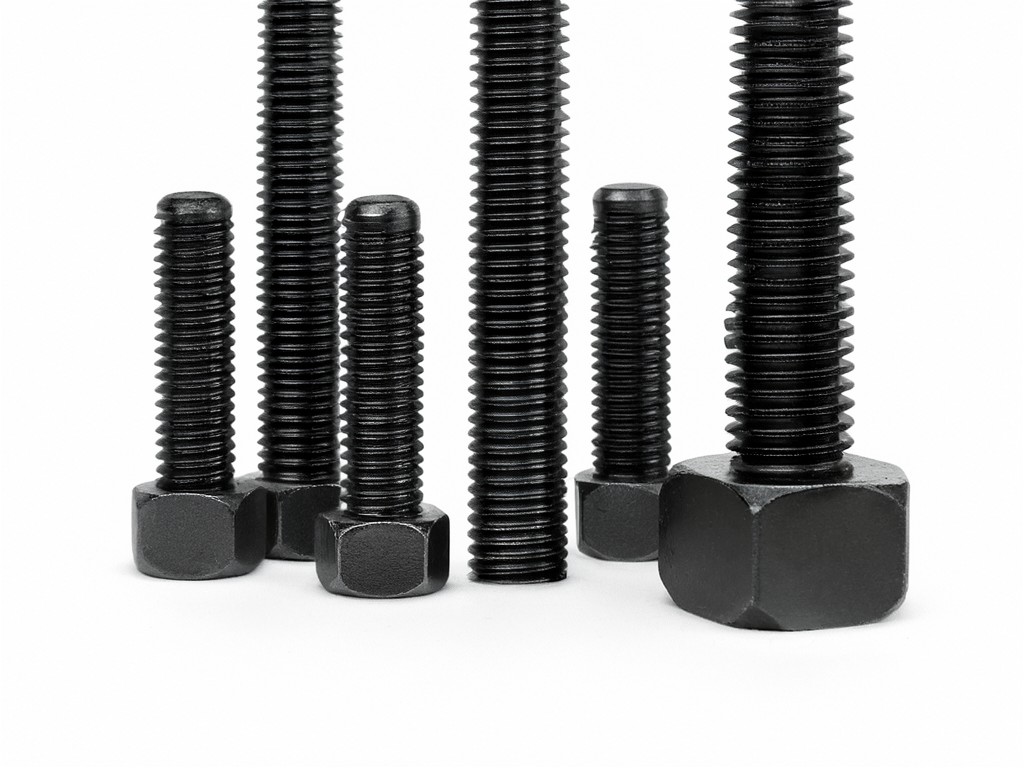
The build method decides whether a custom M6 bolt repeats cleanly across production lots. Cold heading forms the hex head from wire, then thread rolling forms the threads; finish is applied after forming. Buyers qualifying a second source should compare head dimensions, thread fit and finish behaviour—not just the sample's appearance.
Common complaints have distinct causes. A wrench can mark a thin black finish at the flats, moisture can leave rust stains on inadequately protected steel, and a coating change can alter assembly friction. A released drawing, material grade and finish route give both factories the same basis for repeat orders.
Segment-Specific Requirements
| Order condition | MOQ planning basis | Lead-time planning basis | Buyer decision point |
|---|---|---|---|
| Existing head tooling; agreed length, grade and black finish | Often planned by finish batch and production lot; confirm the factory's minimum for the selected coating route. | A repeat-order estimate can be set after material and finish availability are checked. | Confirm whether the approved sample and inspection limits are on file. |
| New head geometry, nonstandard length or changed finish specification | Tooling and finishing setup can raise the first-order minimum; confirm the charge and quantity separately. | Allow time for tooling, first articles and approval before the production slot. | Approve the dimensioned drawing and finish sample before the production release. |
M6 identifies the nominal thread diameter, not the complete bolt specification. Length, thread pitch, full or partial thread, head height, width across flats and material grade still need to be fixed. If the bolt sees repeated assembly, vibration or regular wet cleaning, the buyer should also define the required joint condition and finish; otherwise a visually similar replacement may behave differently under torque.
Cold heading suits repeatable hex-head production, but unusual head proportions can require dedicated tooling. Thread rolling produces threads by forming rather than cutting, so the factory must confirm that the requested thread length and blank dimensions match its rolling setup. A small geometry change can affect tooling cost and first-article timing.
OEM and ODM Programme Structure
For a second-source programme, the OEM route works best when the buyer owns the drawing, grade and finish requirements. The factory then quotes against a controlled specification. An ODM route can start from a use condition or existing sample, but dimensions and acceptance criteria still need buyer approval before tooling or production.
First-article tooling determines the cost of changing head shape or a nonstandard feature. Reusing available heading and thread-rolling tools can shorten setup and reduce the unit cost; custom tooling can match a proprietary geometry but adds a separate investment and approval step. In either route, record the approved sample, drawing revision, material grade, finish process and inspection points together.
Black Oxide
The conversion finish adds little dimensional build, which helps preserve thread fit. Its corrosion protection is limited, so oil or a compatible sealer and dry storage may be needed. Frequent washing, sweat, abrasion or damp storage can expose the steel sooner than a buyer expects from the colour alone.
Black Zinc Coating
A deposited coating can offer more corrosion protection than black oxide, subject to the specified coating system and process control. It adds material to the surface, so thread fit and assembly friction need verification. Chlorinated or aggressive cleaning solutions can still damage the finish; do not treat a black appearance as proof of chemical resistance.
UV does not break down steel itself, but outdoor exposure often combines sunlight with moisture and temperature changes. Specify the corrosion and cleaning conditions the bolt will face, then approve the matching finish. For chlorine, solvents or repeated wash cycles, ask for a compatibility review rather than relying on colour or a generic finish name.
Inspection Items and Test Methods
Dimensional checks should cover overall length, thread length, head height and width across flats. Thread gauges verify the specified thread form and fit; visual checks catch head fill defects, damaged threads and finish skips. First-article results should use the same drawing revision that controls the production lot.
- Check material identity and mechanical properties against the ordered grade; use hardness or tensile verification where the specification calls for it.
- Assess black finish coverage and appearance on the head, flats, shank and thread. For coated parts, agree the coating-thickness method and acceptance limit before production.
- Run an assembly torque check in the intended joint when friction affects clamp load. A torque value from a different finish or lubricant is not directly interchangeable.
- Use corrosion exposure testing only against an agreed method and acceptance criterion. A salt-spray result can compare finish batches under that test; it does not establish service life in every cleaning or storage environment.
For repeat orders, record inspection results by lot and retain a finish reference sample where colour consistency matters. Abrasion from bulk handling can create bright marks on black heads even when the underlying bolt dimensions remain within drawing limits. Separate packing and a clear cosmetic acceptance rule prevent those marks from becoming a receiving dispute.
Stock Availability and Reorder Planning
A factory may have wire or common M6 production inputs available without holding the buyer's exact length, grade and black finish as finished stock. Finished-goods availability depends on the finish batch, inspection status and packaging specification. Confirm which stage is stocked before treating a quoted repeat lead time as a replenishment commitment.
For a second source, share a rolling forecast and define a release quantity that fits both the finishing batch and your inventory capacity. Keep the drawing revision and approved finish unchanged across releases; a new coating requirement can reset sampling and lead time. Store black-finished steel bolts dry and use stock rotation to limit corrosion risk during long holds.
Packing, Marking and Freight Configuration
Bulk bolts can rub against one another during transit and chip or polish the black surface at the head and thread. Choose inner bags, divided packs or another agreed separation method according to order volume and appearance requirements. For sea freight or humid storage, confirm moisture protection and compatibility with the specified finish.
- Label each package with part number, M6 dimensions, material grade, finish, quantity and production lot or batch reference.
- Keep different lengths and finish routes physically separated to reduce picking errors and cross-contamination.
- Agree carton limits and pallet configuration against the carrier's handling needs and the buyer's receiving process.
- If head marking is required, approve its location and method; marking must not interfere with the head geometry, coating acceptance or assembly tool contact.
Questions Buyers Ask Before Ordering
What information is needed to quote a custom M6 hex bolt?
Provide a drawing or dimensioned sample, including length, thread pitch, thread length, head dimensions, material grade and finish. Include the expected assembly condition and any cleaning or exposure requirements that could affect the finish choice.
Will black oxide or black zinc change thread fit?
Black oxide generally adds little dimensional build; black zinc adds a deposited layer that can affect fit and friction. Confirm the coating route and have the factory verify the finished thread against the agreed requirement.
Can the factory match our existing torque result?
It can assess the assembly against an agreed joint setup, but torque depends on the bolt, mating parts, lubricant and surface finish. Supply the relevant assembly conditions and target acceptance range; a torque figure alone does not define the test.
What affects MOQ and the first delivery date?
The finish batch, raw material availability and any new heading or rolling tooling all affect the quote. Ask the factory to separate sample approval, tooling and production timing so a first order is not mistaken for a standard replenishment lead time.
Review the Specification Before Sourcing
Send the drawing, current finish description, annual demand and inspection requirements for a second-source review. We can identify open points around tooling, thread fit, finish exposure, MOQ and reorder planning before the first production release.