


customized sleeve anchor with flange nut factory: Specification, Ordering and Quality Notes
The Problem Buyers Keep Paying For
Two suppliers quoting the same specification can deliver anchors that differ in sleeve length, cone fit, thread engagement, or flange-nut seating. Those variations show up during installation: the sleeve may not expand evenly, the nut may bind, or the anchor may sit proud of the fixture.
Unit price settles the question only after both factories agree on the drawing revision, dimensional tolerances, material, finish, and inspection points. Unit price and service life diverge when a low-cost coating wears through in storage or when inconsistent assembly forces installers to sort parts on site.
For a second-source qualification, compare approved samples and process controls—not just catalogue descriptions. The factory should record the agreed revision and retain a reference sample for repeat orders.
Design Constraints Behind the Specification
Agree the installation envelope first. Anchor length, fixture thickness, embedment, hole diameter, edge distance, and substrate determine whether a sleeve anchor is appropriate. A size change on the drawing can alter both expansion behaviour and the usable thread length above the fixture.
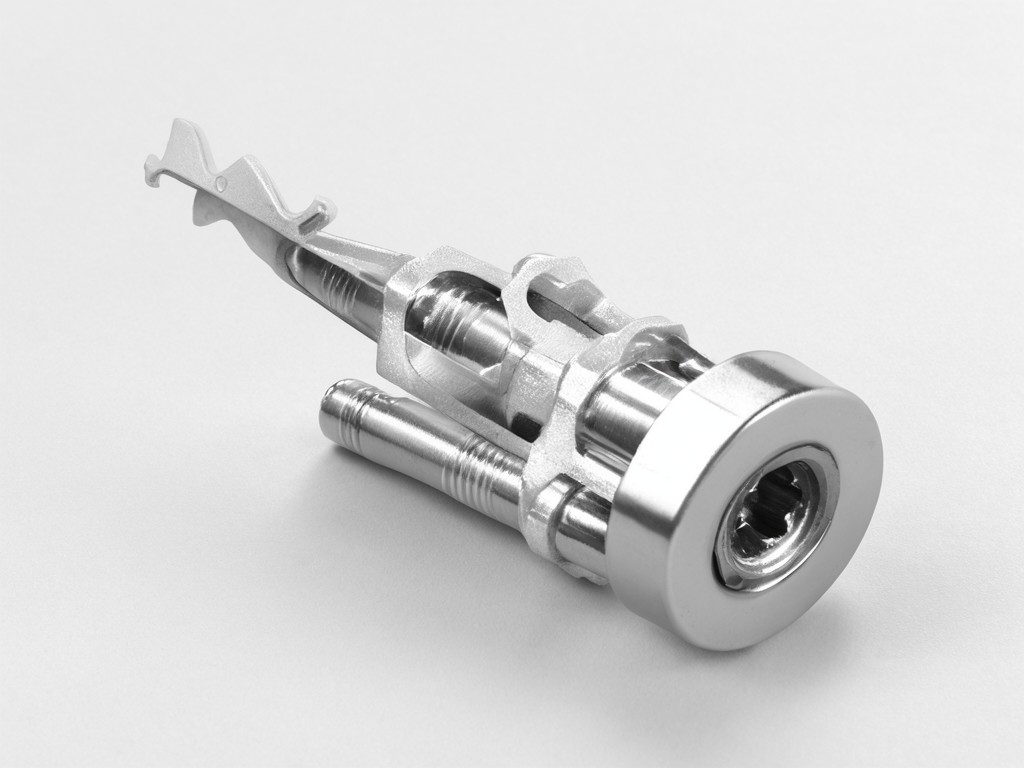
A typical assembly uses a threaded stud, expansion sleeve, expansion cone, and flange nut. The stud and cone dimensions must work with the sleeve’s internal profile; loose fits can produce uneven expansion, while tight fits can raise assembly or installation torque. Cold heading and thread rolling suit the stud, while sleeve forming and cone machining or forming depend on the specified geometry and volume.
Carbon steel with a specified zinc finish is a common cost-conscious choice for indoor or controlled environments. Where moisture or chemical exposure is part of the service condition, discuss a different coating system or stainless material with the factory; the choice affects price, availability, and dimensional fit. Do not treat a finish name alone as a corrosion-life guarantee.
Before production, mark the drawing with the thread form and length, overall anchor length, sleeve dimensions, nut type, finish, and any required marking. A signed drawing and sample approval prevent a supplier from interpreting a catalogue size as permission to substitute related dimensions.
Measured Performance in Real Use
| Nominal thread and anchor length | Indicative assembly mass | Use in a quotation review |
|---|---|---|
| M6 × 40 mm | About 10 g | Check fixture thickness against the available embedment and thread projection. |
| M8 × 60 mm | About 23 g | Confirm the sleeve length, nut seating, and installation access. |
| M10 × 80 mm | About 46 g | Review the cone and sleeve geometry against the specified hole and substrate. |
| M12 × 100 mm | About 83 g | Check handling, pack weight, and the approved installation details. |
These size and mass references are for quotation planning only. Actual mass varies with stud length, sleeve wall, nut dimensions, and finish. Confirm the controlled drawing and approved sample before setting a purchase tolerance or pack count.
Factory checks can cover thread gauging, overall and component dimensions, nut seating, assembly fit, coating appearance, and sampled installation or torque behaviour against the agreed procedure. Anchor performance depends on the concrete or masonry, hole preparation, embedment, edge distance, and installation method; request application-specific engineering data rather than infer a load rating from the nominal size.
How to Choose Before Requesting a Quote
Set the drawing and sample boundary
Standard geometry with a defined finish
Usually keeps tooling and qualification work lower when the catalogue dimensions already suit the fixture. Still specify the coating, nut configuration, inspection points, and sample reference.
Modified sleeve, stud, or marking
Can match a particular fixture stack or installation tool, but may require dedicated forming details, revised gauges, or a new approval sample. Price the modification with its setup and repeat-order implications.
Send the factory the substrate, hole diameter, fixture thickness, required projection, installation method, finish environment, annual demand, and preferred pack quantity. Attach a dimensioned drawing where possible. If no drawing exists, identify the physical reference sample and list which features may change; otherwise the sample can be copied without capturing the required fit.
Approve the pre-production sample against the drawing before authorizing the first production lot. Record any accepted deviation in writing, then use the same revision and inspection basis for repeat orders and second-source comparisons.
Requirements by Buyer Segment
- Distributors often need a controlled set of common sizes, clear carton labels, and repeatable mixed-SKU packing. Ask for item-level identification that matches the purchase order and local inventory system.
- Procurement officers qualifying a second source should compare drawing revision, material declaration, finish description, sample results, and lot traceability. A written deviation list helps separate acceptable process differences from changes to fit.
- Wholesale buyers serving installers should confirm whether the flange nut ships assembled or separately, and whether the package protects threads and plated surfaces during repeated handling.
For each buyer type, align the inspection record with the risk: thread fit and dimensions for assembly, coating condition for storage and transit, and lot identification for reorders or field reports. The factory and buyer should agree in advance which results appear on routine inspection documents.
Volume Planning and Lead Time
- Submit the drawing, annual volume estimate, initial order quantity, finish, and packaging requirements for a capacity review.
- Review the quotation for tooling or setup charges, minimum lot assumptions, sample timing, and any material or coating dependencies.
- Approve the controlled sample and inspection plan before the production schedule is confirmed.
- Set a reorder forecast or release schedule if demand fluctuates; this lets the factory plan steel, forming capacity, and finishing batches without changing the approved specification.
Lead time depends on whether the size is already in production, whether new sleeve or cone tooling is required, and the availability of the selected finish. Request a schedule after drawing approval rather than relying on a general catalogue estimate. A revised dimension or coating after sample approval can reset the sample and production sequence.
For second-source qualification, allow time for dimensional comparison and any application trial required by your engineering team. The first order may have a different setup profile from later repeat lots.
Packing, Marking and Freight Configuration
Packing decisions affect count accuracy and surface condition.Bulk cartons reduce handling cost, while smaller inner packs make stockroom counting and job-site issue easier. Set the unit count, carton gross-weight target, label fields, and whether nuts remain assembled before the first packing approval. Keep threads from rubbing against loose metal parts if coating appearance matters at receipt.
Specify part number, nominal size, finish, lot or batch reference, quantity, and purchase-order reference on the carton label. If cartons contain multiple sizes, require clear separation and a packing list that matches the outer marks. Confirm pallet dimensions, carton stacking limits, and export documentation with the freight forwarder for the selected route.
Before dispatch: approve the label artwork and carton sample, then confirm the final count per carton and lot-marking method. This step prevents a correct anchor from arriving under a mismatched SKU or an untraceable batch mark.
Ordering, Tooling and Lead-Time Questions
Resolve these points before the purchase order fixes the production basis.What information is needed to quote a custom size?
Provide a dimensioned drawing or reference sample, thread details, material and finish preference, substrate and installation conditions, quantity, and packaging target. Identify tolerances and inspection features separately from reference dimensions.
Will a modified sleeve require new tooling?
It depends on the change. A length adjustment may use existing process capability, while a different sleeve profile or cone interface can require revised forming tools or gauges. Ask the factory to identify any setup cost and ownership terms in the quotation.
Can the flange nut ship assembled on the anchor?
Yes, if the approved configuration and packing method support it. State the required nut position or assembly condition; otherwise the factory may quote a loose nut or a different presentation. Confirm that transit packing protects the stud thread and finish.
When can the production lead time be confirmed?
After the factory reviews the drawing, material and finish route, sample requirement, order quantity, and packaging details. New tooling, sample revisions, or a change after approval can affect the schedule.
Request a sample for second-source review. Send the drawing revision, target size and finish, expected volume, and the application details that affect fit. Ask for the sample to be identified against the proposed production specification.